 |
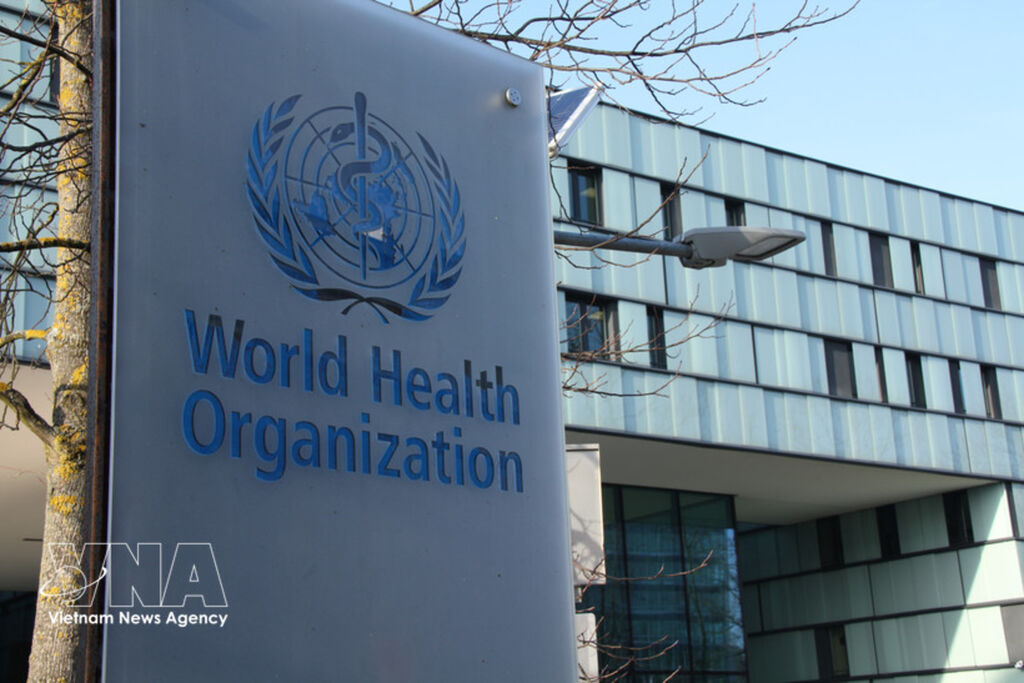
| The headquarters of the World Health Organisation (WHO) in Geneva, Switzerland (Photo: XINHUA/VNA) |
Geneva (VNA) – A delegation from Vietnam’s Ministry of Health led by Permanent Deputy Minister Vu Manh Ha has attended the 79th World Health Assembly (WHA79) in Geneva from May 18-22.
On the occasion, the World Health Organisation (WHO) held a ceremony to present a certificate recognising Vietnam’s contributions and achievements in tobacco harm prevention and control. The recognition reflects the international community’s acknowledgement of Vietnam’s efforts and accomplishments in policymaking, legal framework improvement, public awareness communication, and the implementation of tobacco control activities in recent years.
Addressing a plenary session, the Vietnamese official highlighted the importance of strengthening international cooperation to effectively respond to increasingly complex global health challenges, including emerging diseases, climate change, and the growing burden of non-communicable diseases. Vietnam affirmed that global health is no longer an issue for individual countries, but requires solidarity and joint action from the international community.
He stressed three key priorities. The first is enhancing primary health care and strengthening grassroots health systems to ensure that all people, especially those in remote and disadvantaged areas, have access to comprehensive and quality healthcare services towards universal healthcare coverage.
Second, it is necessary to promote global health security through building a more equitable health architecture, enhance shared responsibility, ensure data transparency, and guarantee equitable access to vaccines, therapeutics and medical products in line with the spirit of the WHO Pandemic Agreement.
The third is addressing the impacts of climate change on public health. Vietnam is accelerating the transformation of its health system to adapt to and mitigate climate-related risks, while hoping to continue receiving international support and cooperation in this field.
The Deputy Minister also affirmed that “reshaping global health” means not only reforming legal frameworks, but also changing mindsets, shifting from passive response to proactive prevention, and from competition to cooperation. Vietnam remains committed to sharing experience, contributing resources, and coordinating closely with countries and international organisations to build a safer, fairer and more resilient global health system against future challenges.
On the sidelines of the assembly, Ha and the Vietnamese delegation also held meetings and exchanges with health ministry leaders from countries including Cuba, Malaysia, Laos and Japan, as well as representatives of some non-governmental organisations and enterprises, to discuss and promote cooperation in areas of mutual interest and expertise./.