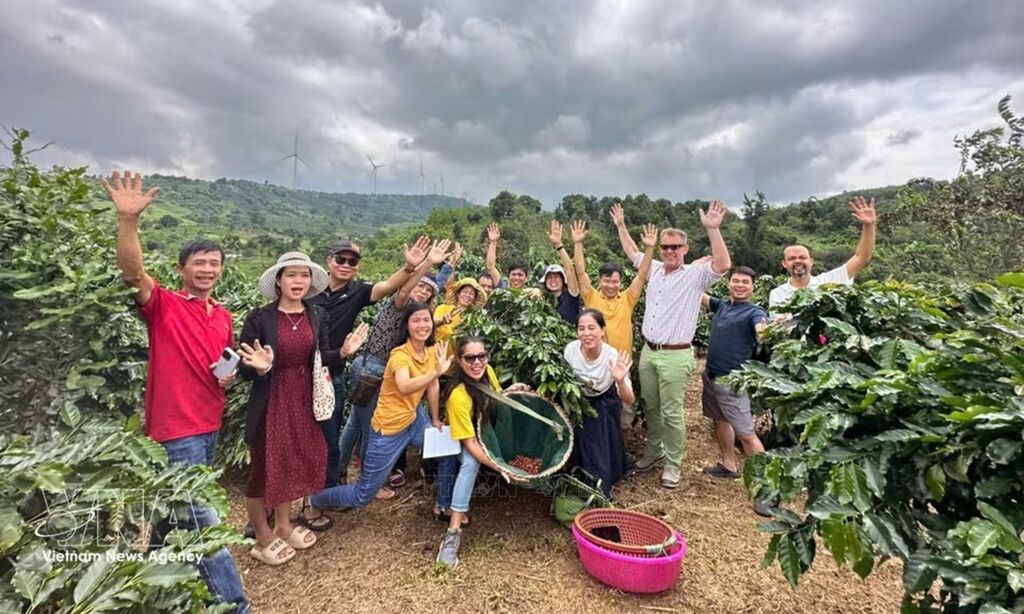
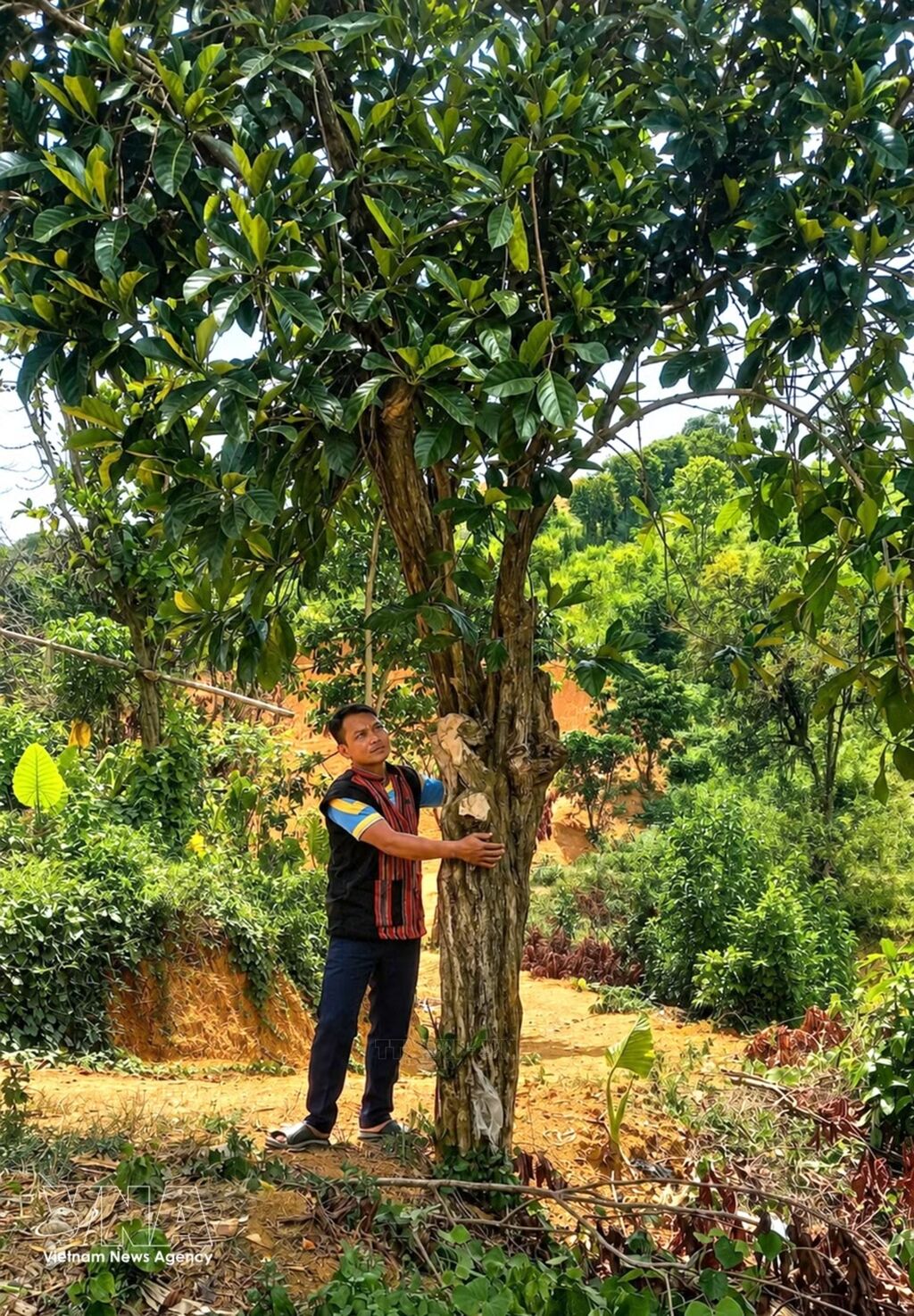
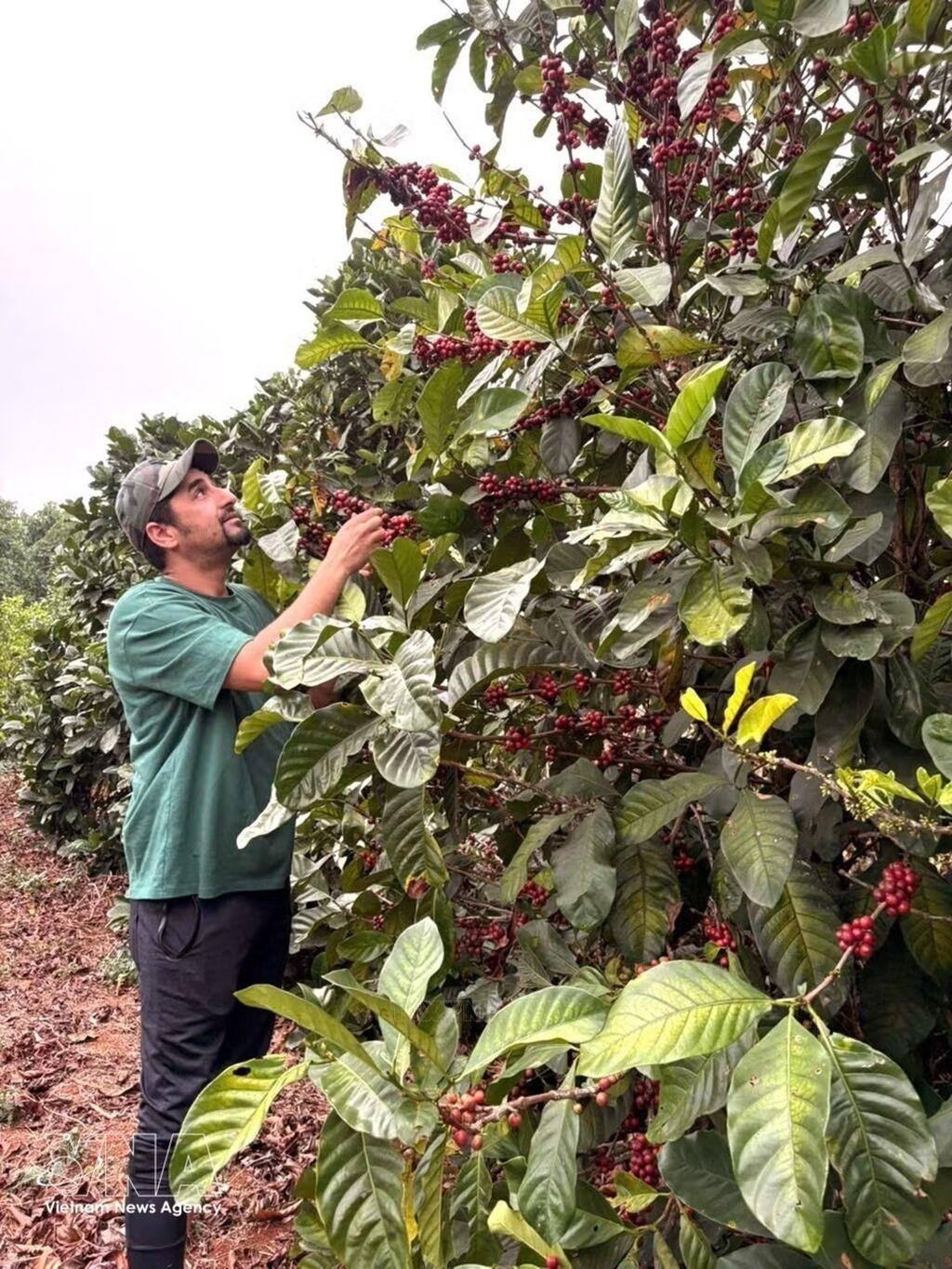
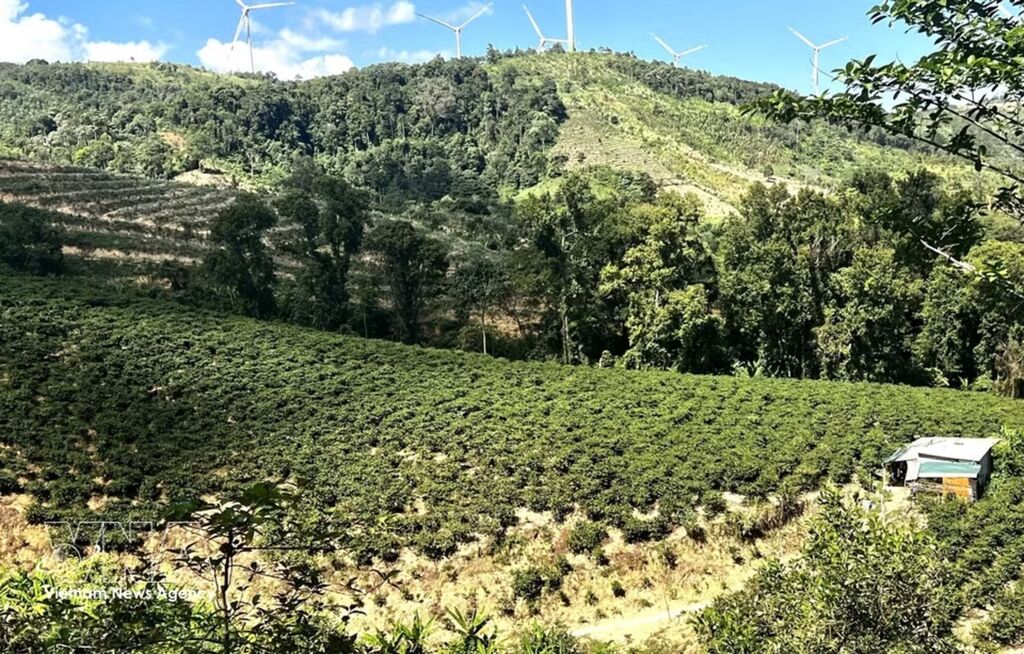
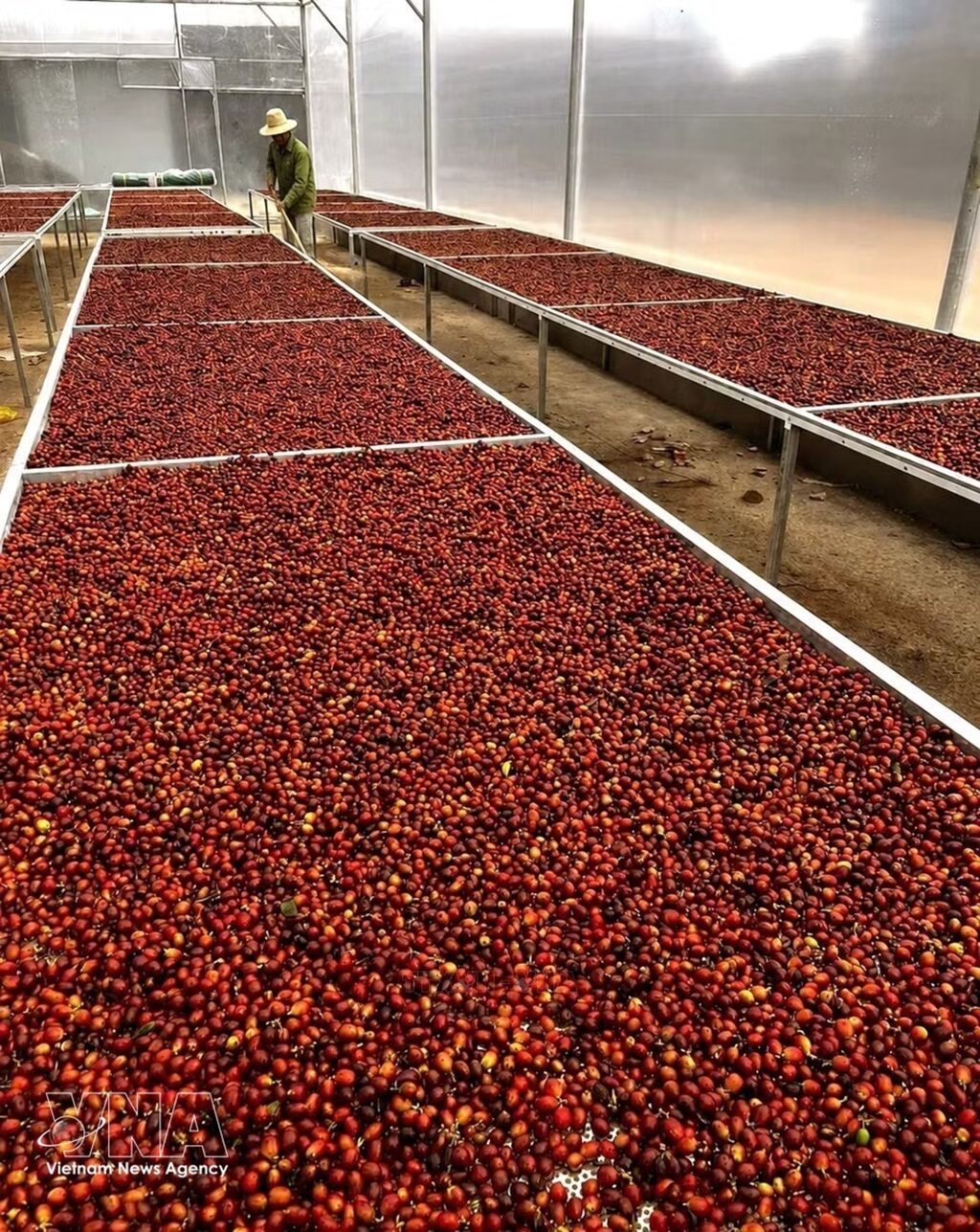
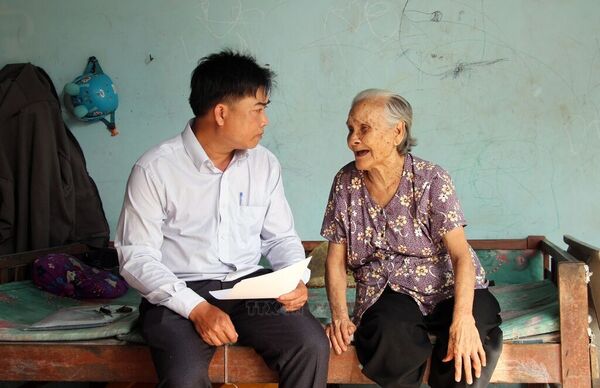
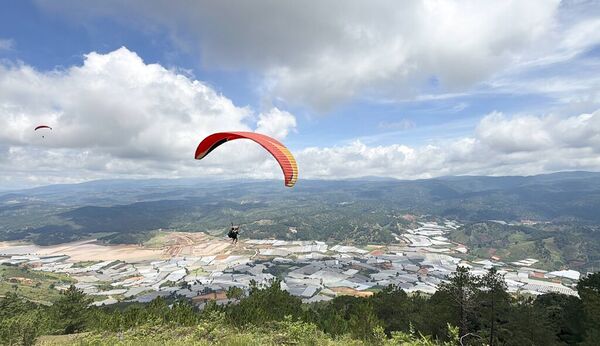
Khe Sanh in Quang Tri province is developing experiential tourism linked to its Arabica coffee-growing area. Coffee hills covered in white blossoms or ripe cherries, together with historical sites along the Route 9–Khe Sanh corridor, create a distinctive tourism product. (Photo: VNA)Centuries-old Liberica coffee trees in Khe Sanh, Quang Tri province, bear witness to a coffee-growing region with a century-long history. (Photo: VNA)Visitors explore a Liberica coffee tree in Khe Sanh, a place that preserves historical traces and reflects the revival of a land once scarred by war. (Photo: VNA)The Khe Sanh coffee-growing area in Quang Tri province currently covers around 4,000 hectares, including more than 3,700 hectares under harvest. More than 8,620 households are involved in coffee cultivation, over half of them from the Bru-Van Kieu and Pa Ko ethnic communities. (Photo: VNA)Khe Sanh’s distinctive natural conditions give its Arabica coffee a characteristic aroma, bright acidity and sweet aftertaste. It is one of Vietnam’s largest and best-known Arabica coffee-producing areas. (Photo: VNA)
A century of Khe Sanh coffee: Red soil shapes its signature Arabica
Perched 500-680 metres above sea level in the north-central province of Quang Tri, Khe Sanh combines a cool climate with fertile basaltic red soil, ideal conditions for Arabica coffee. The distinctive terroir gives its beans a fragrant aroma, bright acidity and sweet finish. Now central Vietnam’s largest Arabica-growing area, Khe Sanh accounts for around 70% of the region’s Arabica cultivation and ranks among the country’s best-known coffee origins.