 |
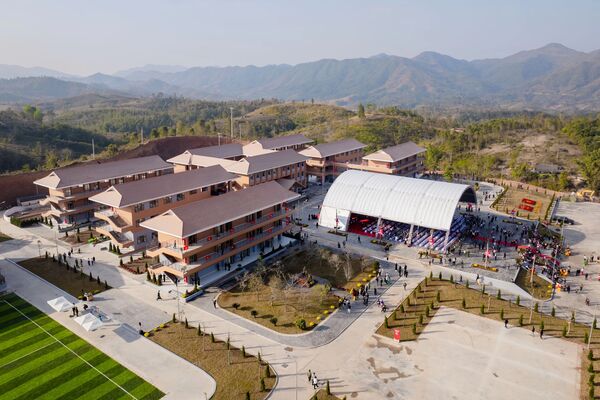
| Vinpearl Nam Hoi An, invested in by a private enterprise, is expected to drive development in the eastern part of Da Nang city. (Photo: VNA) |
Vientiane (VNA) – After one year of implementation, Resolution No. 68-NQ/TW on private sector development has generated positive, tangible and wide-ranging impacts on Vietnam’s business environment, according to Pham Thi Minh Huong, Vice President of the Business Association of Overseas Vietnamese (BAOOV).
Speaking to the Vietnam News Agency’s correspondents in Vientiane, Huong, who is also a member of the Standing Board of the General Association of Vietnamese People in Laos, said the resolution has helped strengthen market confidence since its issuance in May 2025.
As an overseas Vietnamese entrepreneur in Laos who closely follows developments at home, she noted that the number of newly established businesses has increased significantly, reflecting a revived entrepreneurial spirit and stronger aspirations for wealth creation across society.
|
Timely tax reductions and exemptions for enterprises, individuals and household businesses have also produced positive effects, helping people and the business community gain greater confidence in development opportunities and the State’s support.
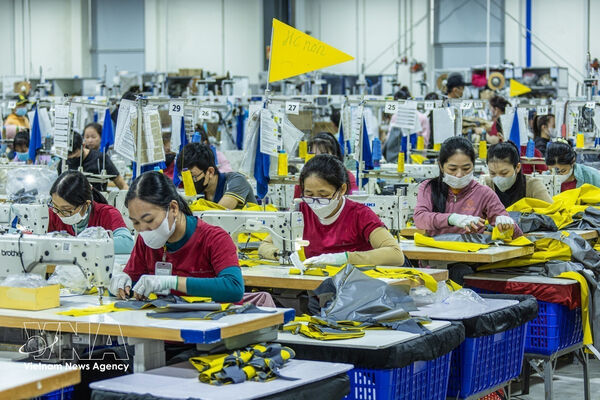
According to Huong, these policies have given fresh momentum to start-up activities, encouraged many household businesses to convert into formal enterprises, and promoted innovation more broadly.
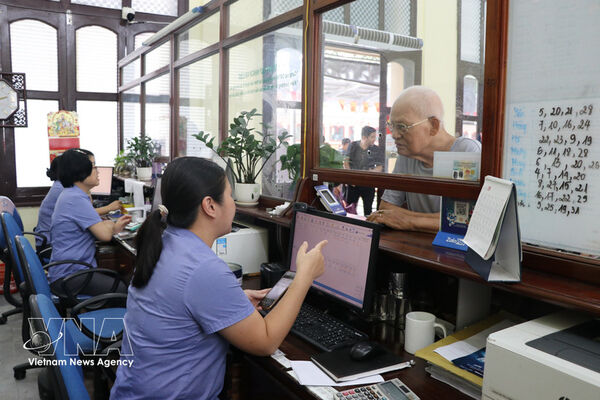
She said recent efforts to streamline the administrative apparatus from central to local levels, especially the implementation of the two-tier local administration model from July 1, 2025, together with policies aimed at removing bottlenecks for production and business, have delivered practical results.
Measures including administrative reform, decentralisation, simplified business conditions, digital transformation and innovation promotion, capital market development and support for small and medium-sized enterprises have shortened processing times, reduced costs and made it easier for firms to access capital, land, human resources and technology.
These changes, she added, have been clearly recognised by both domestic businesses and overseas Vietnamese investors when working with agencies in Vietnam.
Huong said Vietnam is gradually turning the private sector from a supporting force into a leading driver of national economic growth.
She pointed to policies encouraging private enterprises to participate in major national infrastructure projects that were previously dominated by State-owned or foreign firms. Domestic private companies are now increasingly present in airports, seaports, railways and urban metro projects, opening broader development space and confirming the growing importance of the private sector.
From her perspective, the changes have not only domestic significance but also help enhance the standing, confidence and resilience of Vietnamese businesses in international markets.
She expressed her hope that Resolution 68 will continue to be implemented in a more consistent and effective manner, particularly at local level, so that businesses can feel sustainable improvements in the investment climate.
Looking ahead, Huong stressed the need for a stable, transparent and predictable institutional framework, along with stronger mechanisms enabling private enterprises to access capital, land, skilled labour and technology, especially in digital transformation, green economy and innovation.
She also called for more effective connectivity policies to help overseas Vietnamese deepen investment links, transfer knowledge and technology, and expand markets for domestic enterprises./.