 |
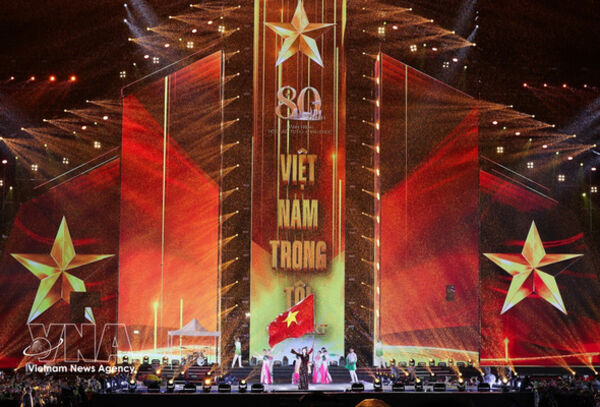
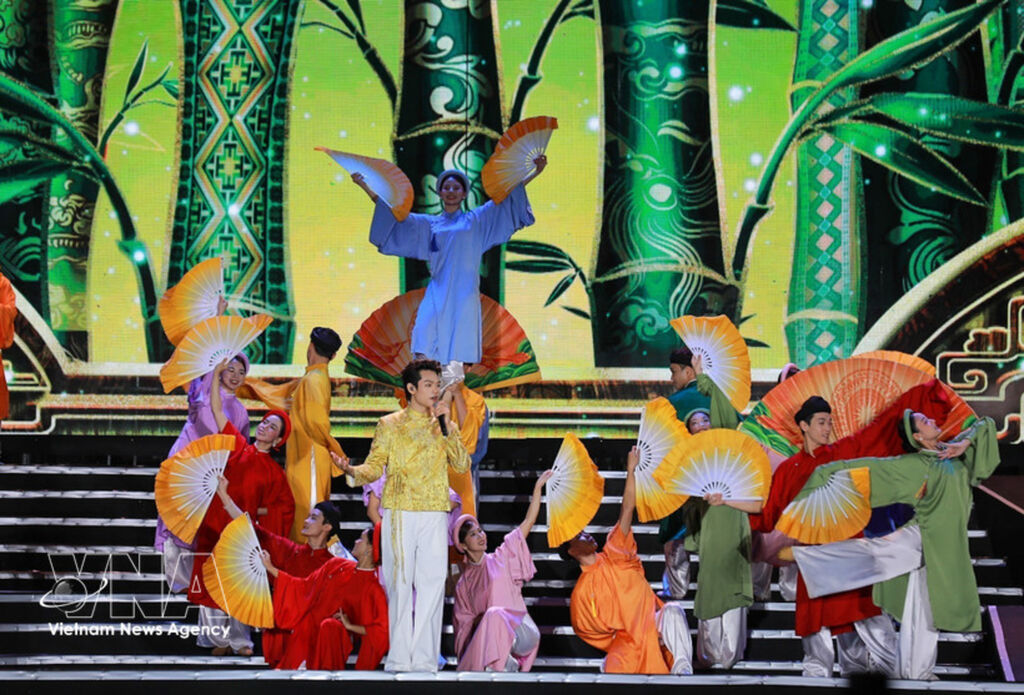
| A performance at the art programme to welcome the New Year 2026. (Photo: VNA) |
Hanoi (VNA) – The rapid advancement of technology is breathing new life into Vietnam’s cultural heritage, enabling values once confined to museums to reach wider audiences through creative works by artists, communities and individuals.
However, alongside these positive developments, the rise of distorted or misleading content online is posing risks to the preservation of national cultural identity.
Maintaining natural cultural identity
In the context of deep international integration, cultural identity serves as both a “shield” against assimilation and a defining marker of a nation’s image. Protecting and promoting uniquely Vietnamese cultural values has therefore become a pressing task, particularly in an increasingly complex digital environment.
Recent years have seen Vietnam’s cultural sector evolve beyond traditional preservation efforts towards a more dynamic ecosystem integrating creativity, digitalisation and technology. This shift has been reinforced by the Politburo’s Resolution No. 57-NQ/TW on making breakthroughs in science – technology development, innovation and national digital transformation, which identifies technology as a critical driver for cultural development.
The expansion of digital platforms has democratised cultural production, allowing not only artists and intellectuals but also ordinary citizens to participate in the cultural marketplace. As a result, many culturally rich products have gained widespread popularity both domestically and internationally. Music videos such as “Bac Bling” by Hoa Minzy, “Phu Dong Thien Vuong” by Duc Phuc, and “See Tinh” by Hoang Thuy Linh have attracted millions of viewers, showcasing Vietnamese identity through modern creative expression.
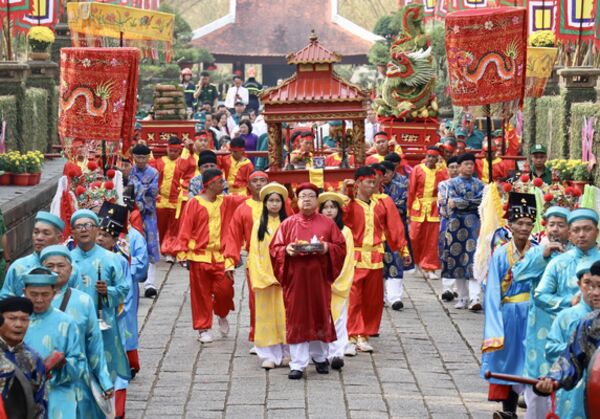
Major national events, including celebrations marking the 50th anniversary of national reunification and the 80th founding anniversary of the country last year, have also leveraged advanced technologies to highlight traditional cultural values, creating immersive and emotionally engaging experiences that resonate strongly with audiences. In this context, technology is increasingly viewed as a “highway” connecting the present with the past, enabling people to rediscover and appreciate heritage in new ways.
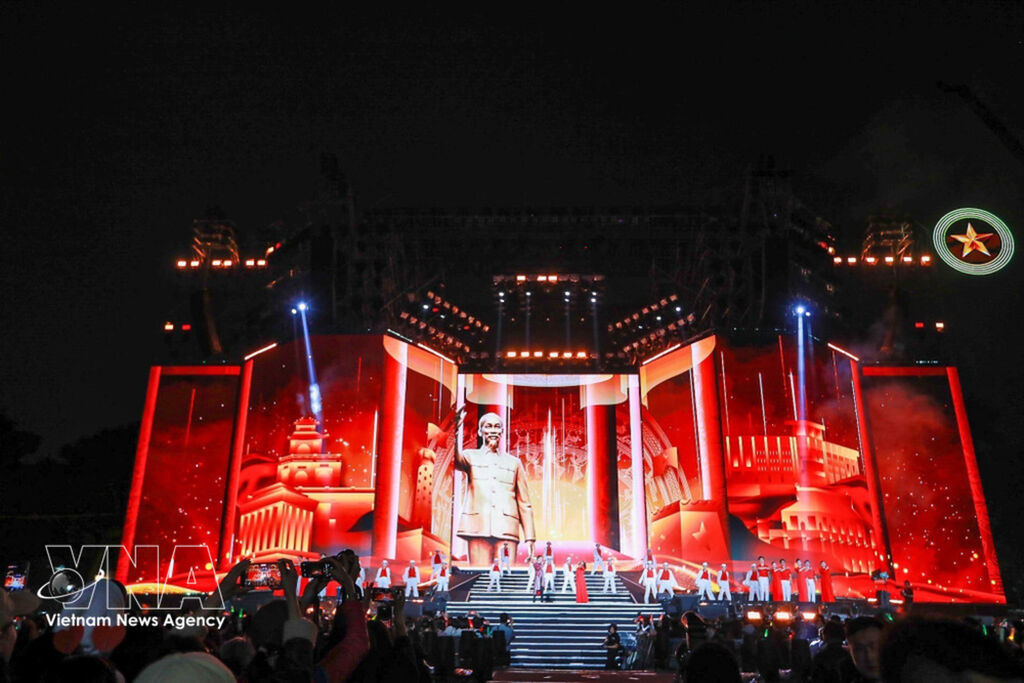 |
| Experts assert that cultural values must be clearly defined and effectively communicated through education and media to enhance public awareness. (Photo: VNA) |
Despite these achievements, challenges remain. The digital space continues to host content that is sensationalist, culturally inappropriate or even distorts historical facts. Such content, often driven by the pursuit of online popularity and a lack of cultural and legal awareness, can negatively affect public perception and social values. In some serious cases, authorities have had to intervene to remove harmful content and handle violations.
Improving cultural “immunity” among community
Addressing these issues requires enhancing both digital literacy and cultural awareness among the public. Experts emphasise that building “cultural resilience” must begin with education, particularly for younger generations. Instilling national pride, cultural knowledge and responsible online behaviour into every citizen will help shape how individuals engage with and contribute to the digital environment.
Dr Nguyen Thi Tuyet Nhung from the Viet Bac College of Culture and Arts said education in the digital era should go beyond professional training to include cultural autonomy, information literacy and a strong sense of responsibility towards preserving national identity. She advocates integrating digital humanities, media ethics and cultural studies into curricula from general to higher education to equip students with both technological competence and humanistic depth.
In addition, stronger involvement from the humanities and social sciences community is essential to guide the development of cultural identity in the digital space, she said.
Cultural values must be clearly defined and effectively communicated through education and media to enhance public awareness. At the same time, regulatory frameworks and codes of conduct need to be strengthened to prevent the spread of harmful content while encouraging creative contributions that promote Vietnamese cultural identity, according to experts./.