As localities move beyond resource-based tourism towards value-driven cultural development, they are creating distinctive destination brands while reinforcing Vietnam's position as a culturally rich and compelling destination on the global tourism map.
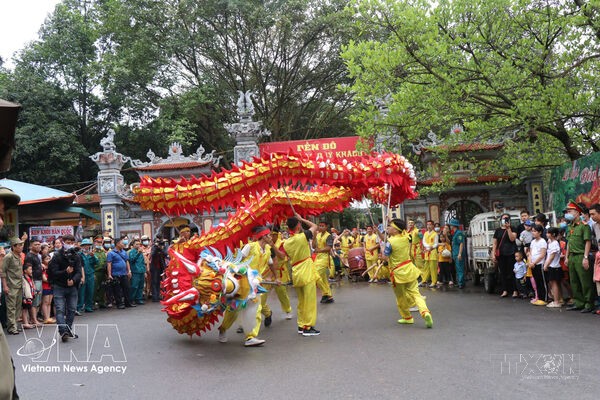
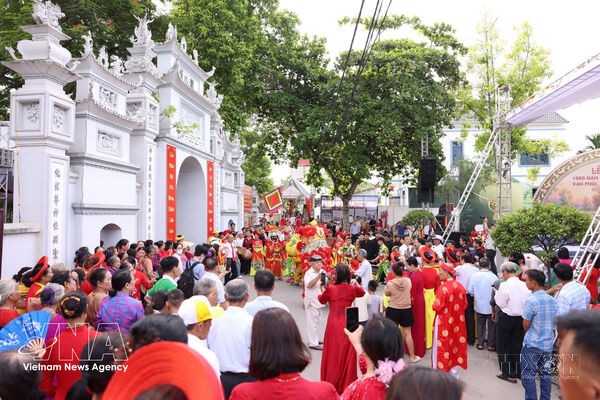
The thousand-year bond between Van Phuc and Nga My represents more than the history of two villages; it illustrates how living heritage can reinforce Vietnam's cultural identity while contributing to the country's soft power.
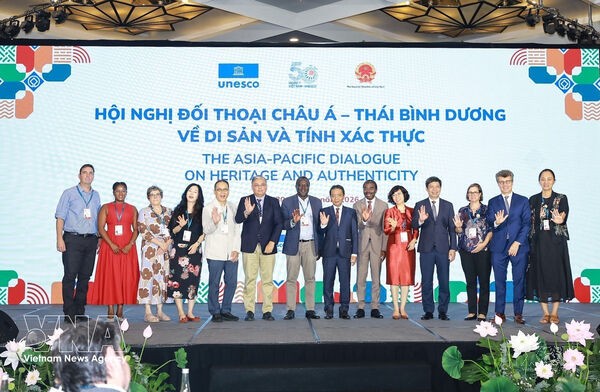
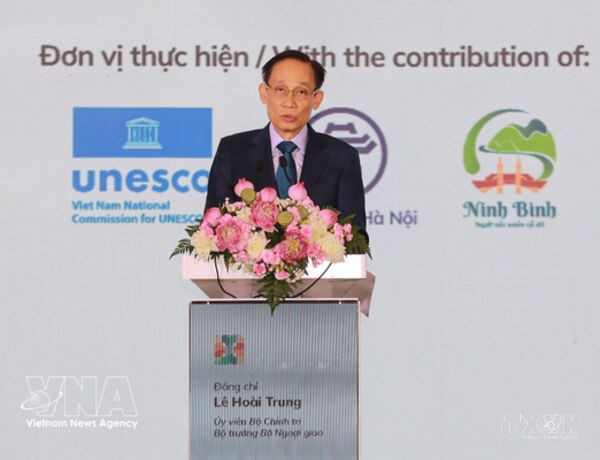
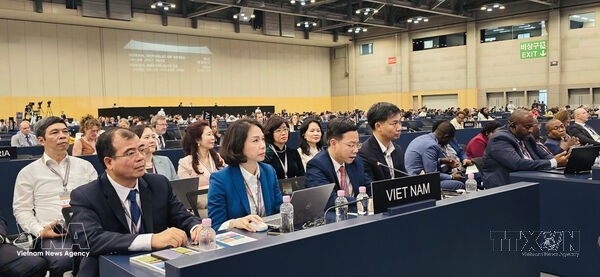
On behalf of Vietnam, the deputy minister proposed three priorities of strengthening international cooperation and capacity-building for member states, particularly developing countries; promoting science-based conservation that strikes a balance between preservation and development while placing local communities at the centre; and enhancing coordination among relevant conventions and programmes, alongside the responsible application of digital technologies and artificial intelligence in heritage conservation.
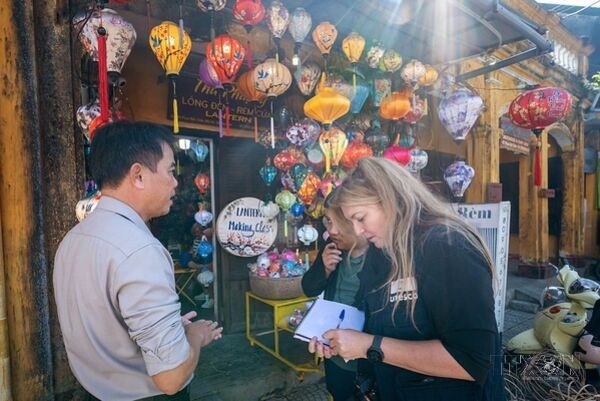
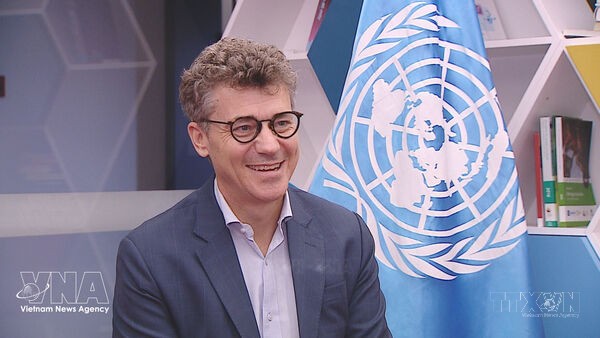
Digital transformation in the heritage sector should adopt a people-centred approach, ensuring the meaningful participation of communities at every stage-from documentation and preservation to the management, use and dissemination of cultural data. Jonathan Baker, Representative of the United Nations Educational, Scientific and Cultural Organization (UNESCO) told the Vietnam News Agency during an interview on July 8.
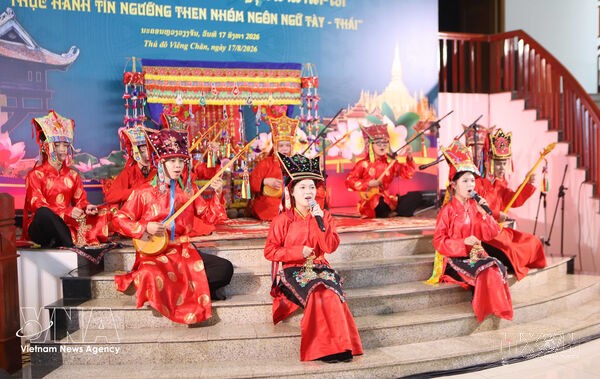
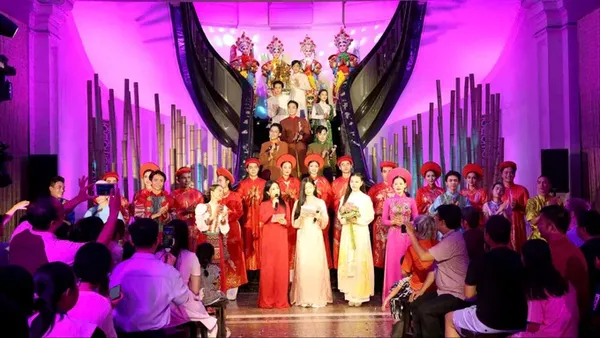
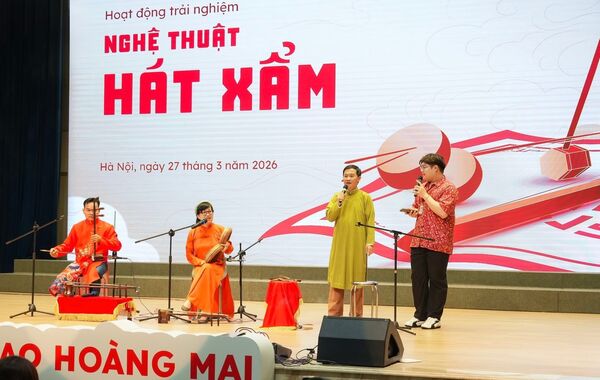
Xam singing, a folk art form with a history of more than 700 years, is not only a distinctive form of performance but also a living archive of Vietnamese cultural memory, reflecting everyday life, emotions, and aspirations across generations.
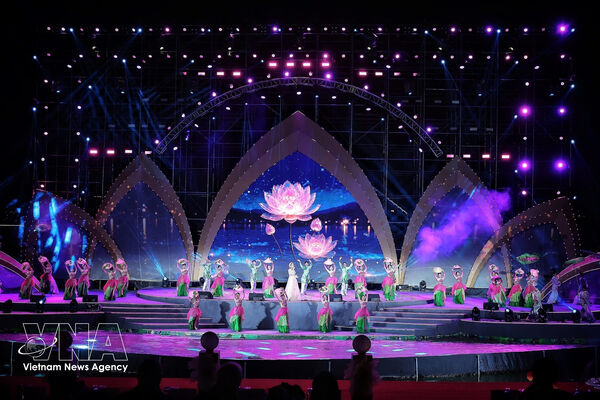
The festival is part of Hanoi's strategy to boost its cultural industries by transforming cultural heritage into a driver of socio-economic development while preserving and promoting the city's traditional cultural values.
According to online travel platform Agoda, searches for accommodation in Vietnam by Chinese travellers surged 164% year-on-year in the first five months of 2026, the fastest growth among international source markets.
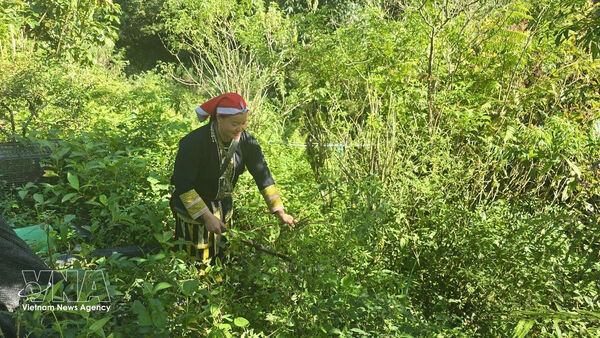
Among the province’s success stories is Ta Phin commune, one of Lao Cai’s earliest community-based tourism destinations and a locality renowned for its diverse traditional occupations that provide stable and sustainable livelihoods for ethnic minority communities.
In Ho Chi Minh City, the flagship campaign, titled “Touching Heritage”, is set to be launched in Saigon, Ben Thanh, and Cho Lon wards via short videos, livestreams, and other interactive digital formats.
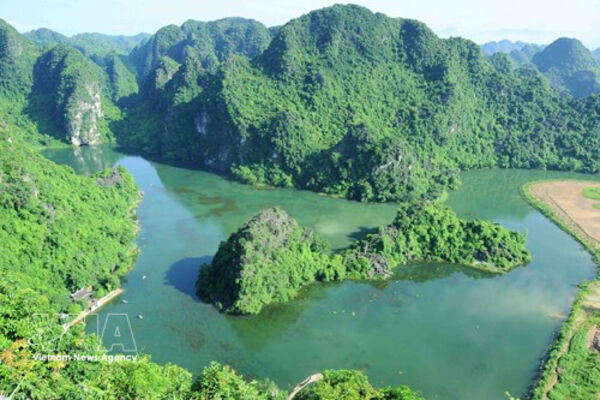
One of the highlights of the Ninh Binh Tourism Week 2026 is the Tam Coc Golden Season Festival at the Tam Coc – Bich Dong tourist site, where visitors can enjoy the vibrant rice harvest landscape alongside traditional cultural activities such as agricultural offerings processions, folk singing and traditional art performances.
A special event entitled 7 Wonders Day with a series of attractions and experiences for both residents and visitors will be held in Ha Long city, Quang Ninh province, on July 7 to honour the elected New 7 Wonders of the World and Nature.
Politburo’s Resolution No. 80 on developing Vietnamese culture places a stronger emphasis on nurturing talent in traditional arts. It is expected to breathe fresh life into Vietnam’s cultural heritage, as these art forms face mounting challenges in the modern entertainment landscape.
Heritage education has been fully integrated into the formal curriculum from grades 1 to 12, with local content making up 30–40% of teaching time, now adopted across all schools in Hue city.
Sayangva is the most important traditional festival of the Cho Ro community in Dong Nai. Deeply rooted in agricultural beliefs, it expresses gratitude to heaven and earth and deities, especially the Rice Goddess, while praying for bumper harvests and prosperous lives.
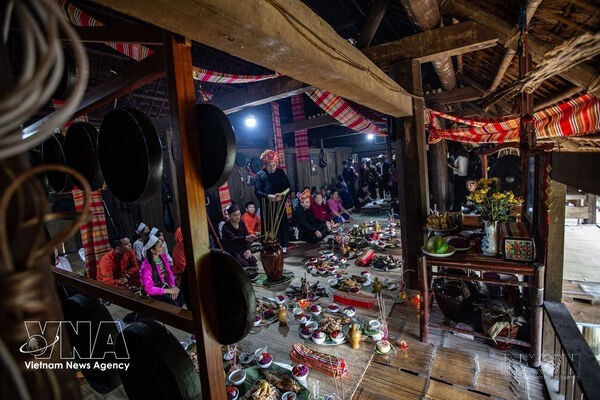
The Muong culture showcase at Hung Kings Temple Festival 2026 will include the re-enactment of traditional rituals, folk songs, gong performances, and daily life. This is expected to enrich the festival while offering visitors deeper insight into the spiritual life of communities in Vietnam’s midland regions.
Only when integrated into the national strategy for cultural development and digital transformation, can archival work become a soft pillar of the national knowledge infrastructure, strengthening governance capacity and enhancing Vietnam’s soft power in the new era.
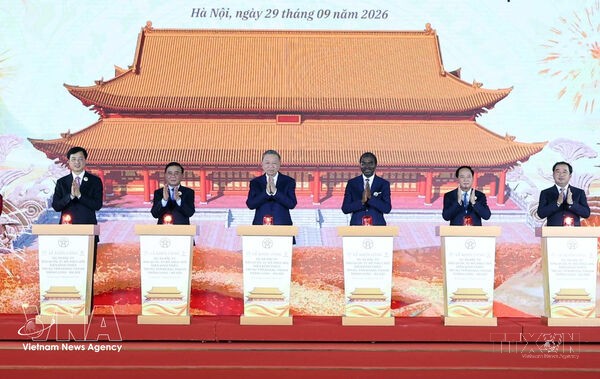
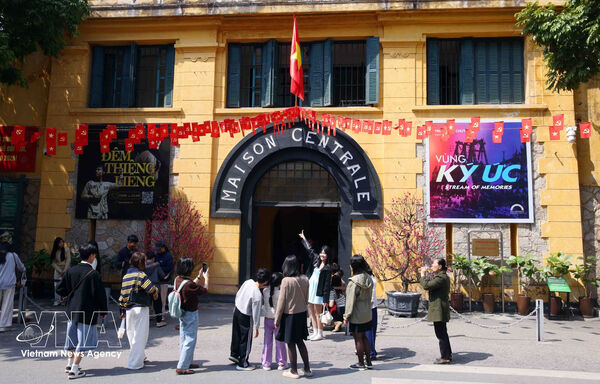
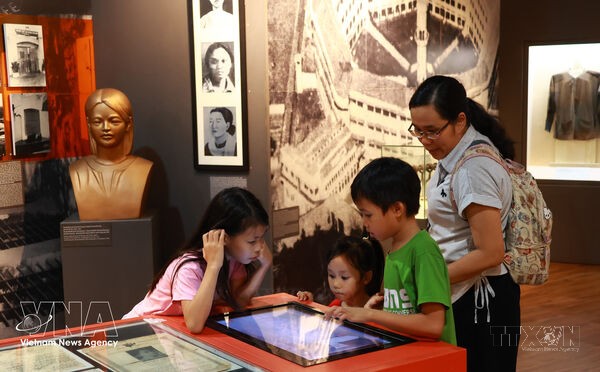
Situated in central Hanoi, the venue is poised to become a culturally profound destination, offering a comprehensive, authentic window into Vietnam's layered history, heritage, and governance traditions, all revealed through the presence of original documents themselves.