According to the Global Startup Ecosystem Index 2026 released by StartupBlink, Vietnam climbed five places to rank 50th globally, marking its highest position ever in the annual rankings.
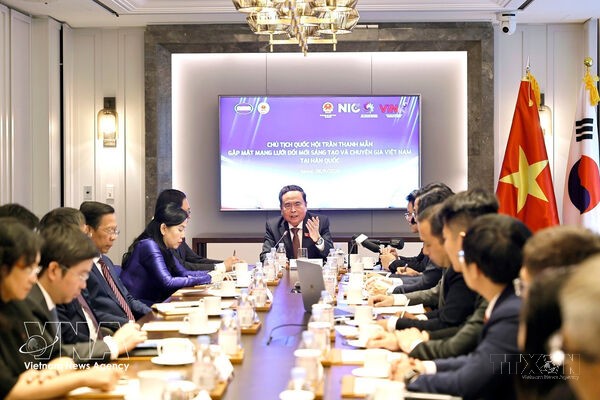
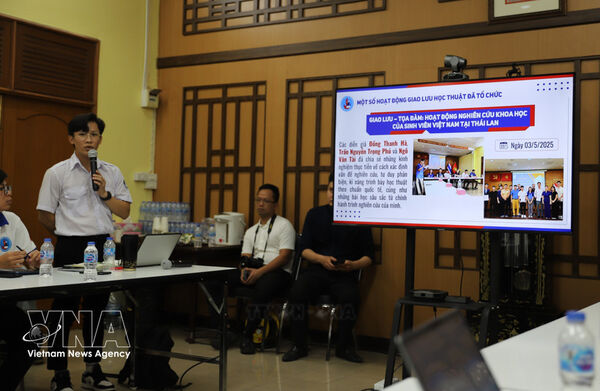
Vietnamese students and intellectuals in Thailand could contribute to promoting Vietnam’s image internationally by actively organising and participating in Vietnamese cultural festivals and exchange activities.
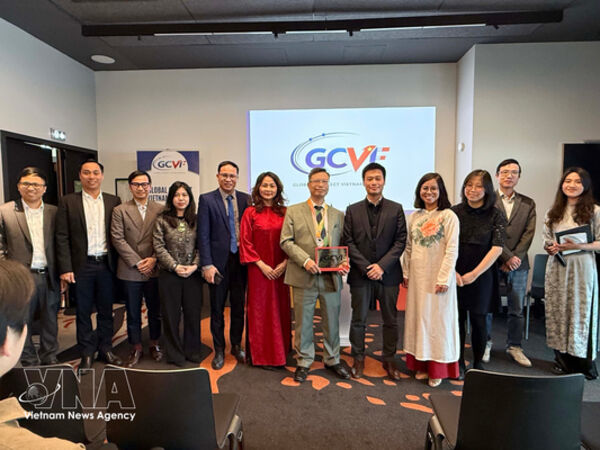
In the context of the growing Comprehensive Strategic Partnership between Vietnam and France, Hai said GCVF should position itself as a bridge for knowledge and technology transfer, bringing scientific and technological achievements from France and Europe to support Vietnam’s practical development needs.
Through the VIPC Summit 2026, Vietnam aims to reaffirm its commitment to building a transparent, competitive and internationally integrated investment environment, while promoting new financial mechanisms and institutions to make science, technology, innovation and digital transformation strategic growth motivation in the coming years.
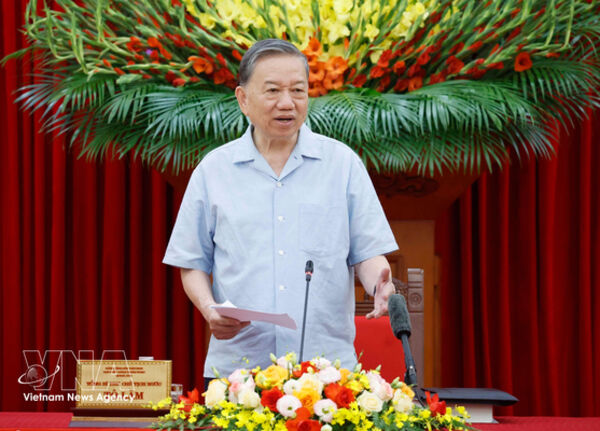
With synchronised direction and unified implementation, ministries, sectors and localities are translating the Resolution into concrete institutions, mobilised resources and measurable outcomes.
In the course of implementing this resolution, the northern province of Quang Ninh has emerged as one of the early movers in translating strategic orientations into comprehensive development models linked to innovation and digital transformation.
The Ministry of Science and Technology is seeking feedback on a draft Prime Minister decision outlining four key categories: priority high technologies for investment, encouraged high-tech products, strategic technologies, and strategic tech products. The move is intended to capture emerging technology trends while strengthening the policy framework for high-tech development.
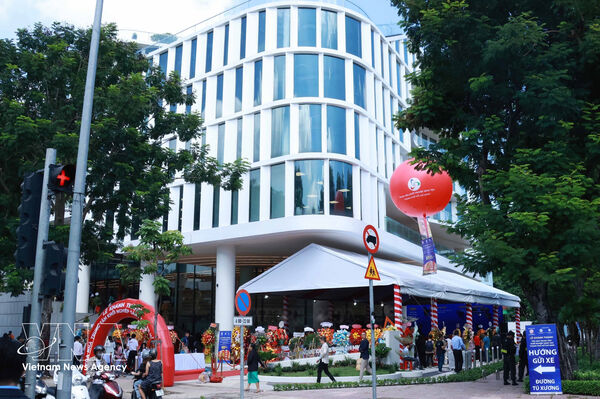
HIC is envisioned as a central “brain” connecting data, resources, policies, technology and culture to address urban development challenges, operate the national innovation ecosystem, promote a sustainable digital economy and digital society, improve the quality of life for local residents, and foster creative industries, particularly cultural industries linked to Hanoi’s identity.
In 2026, Quang Ninh aims to attract more than 22 million visitors, including 5.2 million international arrivals, with total tourism revenue projected to reach at least 65 trillion VND.
The awards aim to help promote innovation, anticipate emerging technology trends, and recognise the role of digital transformation in driving socio-economic development across ASEAN countries.
Vietnam is aiming to become a high-tech economy with the STI pillars identified as the enablers, and the local conditions enable their rapid development, said an Israeli expert.
After one year, both awareness and action across the political system have improved, underscoring the Resolution’s timeliness and effectiveness in removing bottlenecks and driving development.
The report notes that after more than a decade of development, Vietnam’s startup ecosystem has entered a phase of deeper growth and stronger international integration. The country is now home to more than 4,000 startups, two unicorns, and dozens of companies approaching unicorn status.
The Office of Science and Technology at the Vietnamese Embassy in Germany on November 29 hosted a roundtable in Berlin to introduce key breakthroughs in the 2025 Law on Science, Technology and Innovation and Vietnam’s strategic orientations for the sector.