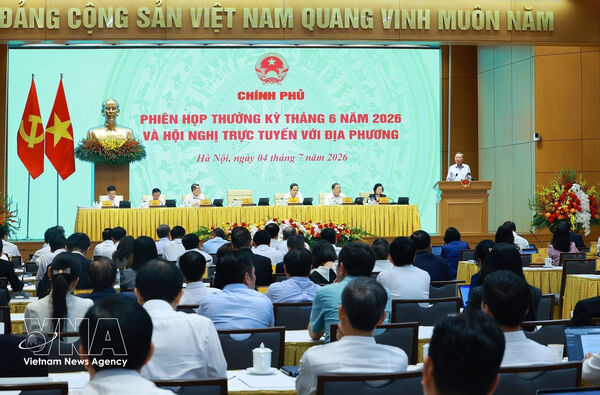
The remaining months of the year will be devoted to accelerating implementation rather than lowering expectations, affirmed Chairman of the Hanoi People's Committee Vu Dai Thang.
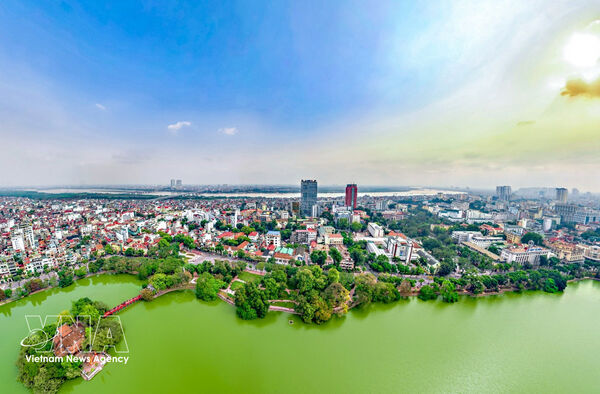
According to the Department of Finance, as of May 31, the city had nearly 21,000 active FDI projects worth over 143.3 billion USD, remaining Vietnam’s leading FDI destination. In the first half of 2026, FDI reached over 6.8 billion USD.
As of early June, Hanoi had attracted 74.6 billion USD in foreign direct investment (FDI) through more than 9,250 valid projects. FDI inflows in the first six months were projected at 3.2 billion USD, surpassing the annual target by 116%, while nearly 16,000 new businesses were established in the first five months, up 34.4% year-on-year.
Resolution 10-NQ/TW marks a significant reset of Vietnam’s foreign investment strategy, introducing broad reforms to create a more unified and effective framework for attracting foreign capital.
Vietnam is a key priority market for the US International Development Finance Corporation (DFC) as it looks to expand its investment footprint in the Southeast Asian country. Caroline Vik, Chief Policy Officer at the DFC told the Vietnam News Agency (VNA) during her visit to Vietnam from June 19 to 21.
Vietnam recorded trade deficits of 1.78 billion USD in January, 1.01 billion USD in February, 680 million USD in March, 3.99 billion USD in April and 5.21 billion USD in May, bringing the cumulative deficit in the first five months of 2026 to 13.8 billion USD.
A significant shift in the recently issued Resolution 10 is the move from a strategy of attracting “more capital” towards attracting “higher-quality FDI”. The objective is no longer limited to investment volume but extends to absorbing advanced technologies, increasing domestic value creation, strengthening innovation capacity and accelerating modernisation in the economy.
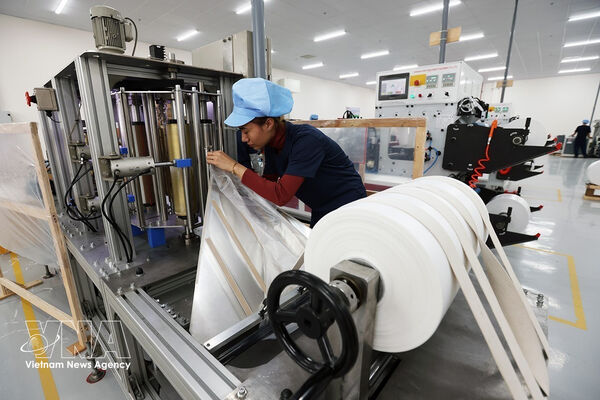
More than a policy document on foreign-invested economic development, Resolution No. 10-NQ/TW represents a significant shift in Vietnam’s development thinking, from an economy relying heavily on low-cost advantages to one driven by knowledge, technology and endogenous strength.
In its strategy report for the second half of 2026, SSI Research projected Vietnam's real GDP growth at 8.2-8.5% year-on-year in the second quarter, with potential upside towards 9% if June data proves stronger. The forecast would mark an acceleration from the 7.83% growth recorded in the first quarter.
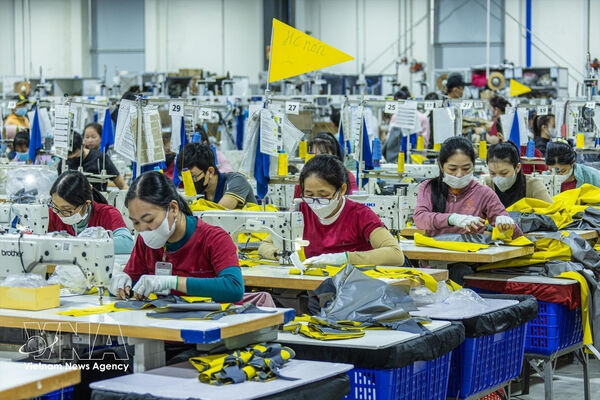
Attracting next-generation high-tech FDI will require Vietnam to move beyond its low-cost advantage and strengthen domestic capabilities, enabling local firms to secure higher-value positions in global value chains.
According to Tiffany Hoang, Chapter Lead of the Stellar Vietnam fund, three key factors are drawing the attention of investment funds to Vietnam and Da Nang in particular.
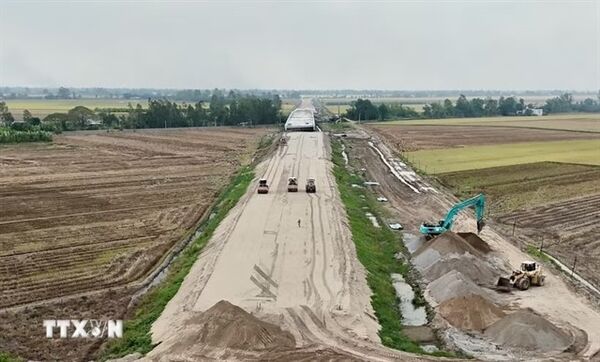
With ongoing reforms, improving infrastructure and a growing pool of skilled workers, Vietnam is seeking to position itself not only as a manufacturing destination, but also as an emerging regional technology and innovation hub.
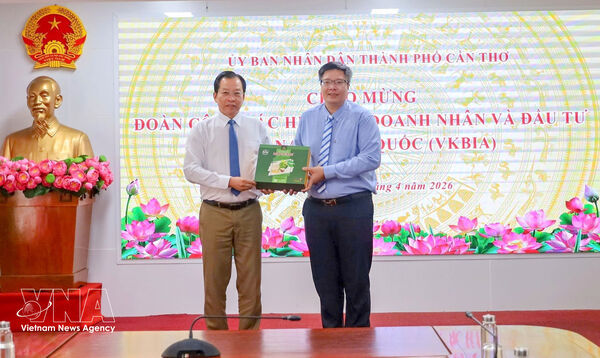
At a working session with a delegation from the Vietnam–Korea Business and Investment Association (VKBIA) led by its Chairman Tran Hai Linh on April 25, Nam praised the association’s role as a vital bridge linking the city with Korean partners. He reaffirmed the city’s readiness to facilitate VKBIA member enterprises in exploring and expanding investment.
Across the Asia-Pacific, 60% of respondents own pets, while Vietnam’s pet ownership rate stands at 79%, among the highest in the region. Notably, 55% of Vietnamese pet owners have two or more pets, signalling that pet ownership has evolved from a hobby into a modern lifestyle choice.
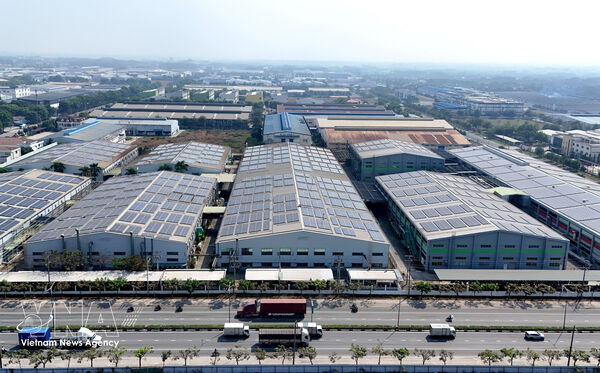
According to Deputy Head of HEPZA Le Van Thinh, the new policy comes as the city intensifies administrative reform, digital transformation, and efforts to enhance competitiveness in attracting investment into its export processing and industrial zones.
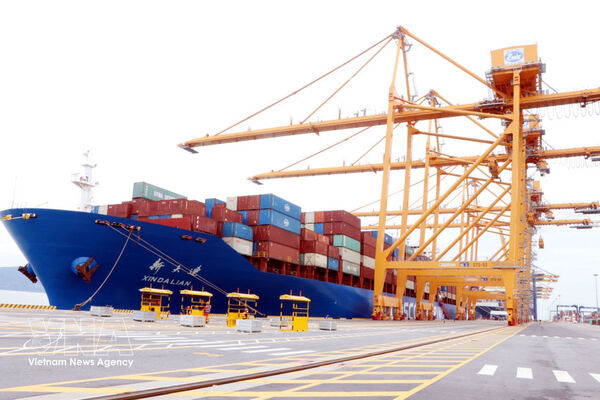
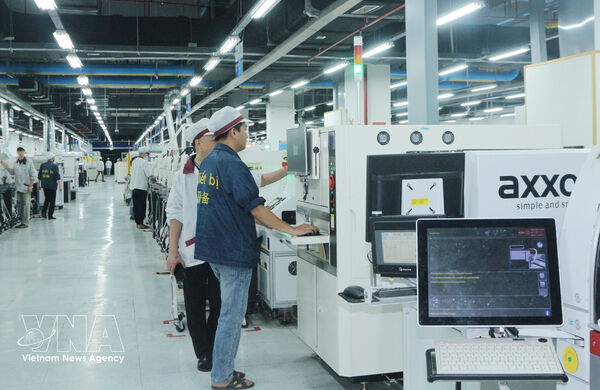
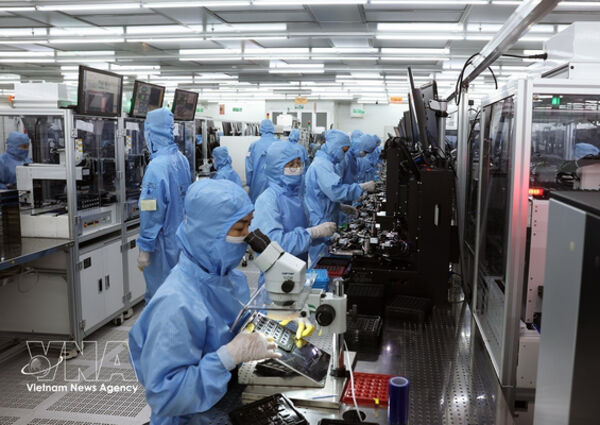
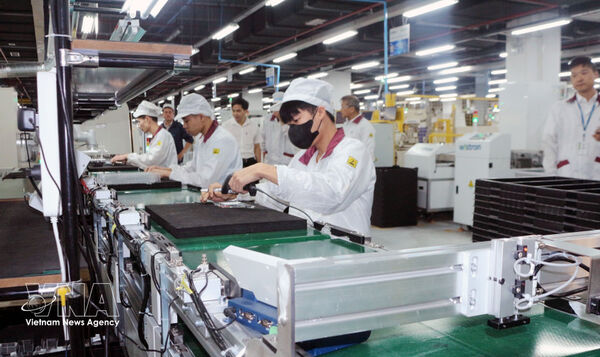
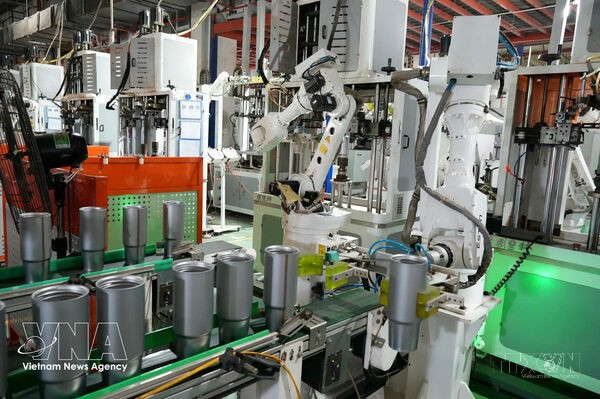
Vietnam is gradually becoming a strategic destination for high-quality global FDI. Investment flows are increasingly directed toward sectors such as high-tech manufacturing, electronics, digital infrastructure, modern logistics, and industries that are closely linked to global supply chains.
Under the resolution, the Ministry of Finance will continue to lead the appraisal process, with the Minister of Finance serving as chairman of the appraisal council for the pre-feasibility study report of the project’s adjusted investment policy, as assigned by the Prime Minister in Notice No. 21/TB-VPCP dated January 11, 2026.
By the end of 2025, Vietnam had more than one million active enterprises. In the first two months of 2026, about 64,500 enterprises entered or re-entered the market, up 29.4% year-on-year, averaging 32,200 newly established or returning businesses per month.
Vietnam stands out as a representative example. The article cites US technology group Intel as a case in point. Since establishing its testing and assembly facility at the Saigon Hi-Tech Park in 2010, Intel has expanded operations through total investments of 1.5 billion USD.