 |
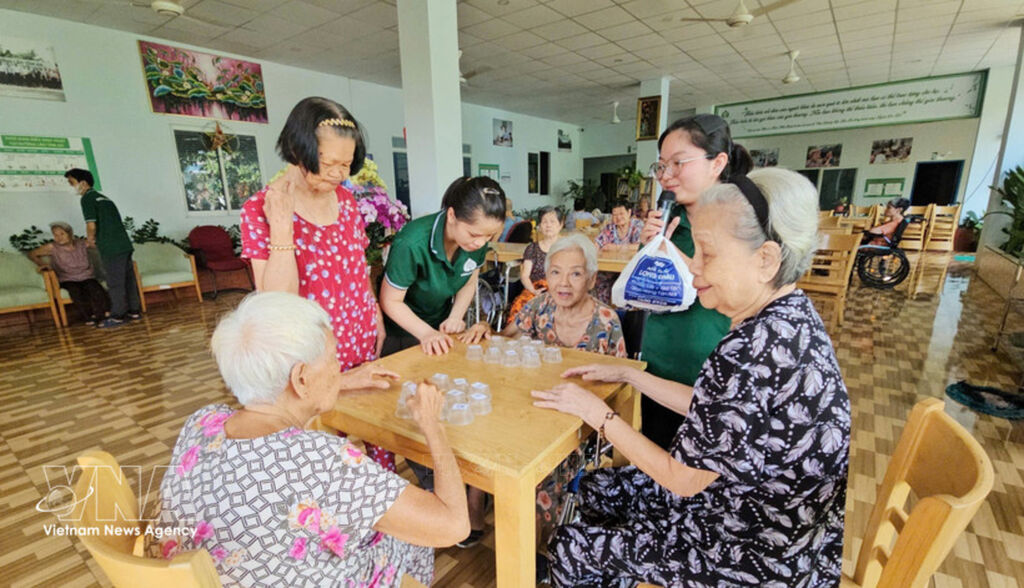
| Elderly people receives care at the Tam An nursing home in Ho Chi Minh City. (Photo: VNA) |
Hanoi (VNA) – In the growing “silver economy” in many countries, including Vietnam, nursing homes are becoming a key model for providing comprehensive care for the elderly while creating new opportunities for socio-economic growth.
Ageing population backdrop
The country is ageing faster than many of its regional peers, with official figures showing the elderly population hitting 14.2 million in 2024 and expected to double to 28 million by 2050.
Vietnam is expected to formally become an ageing society by 2036, when those aged 65 and above will account for 14% of the population. This trend will place significant pressure on the social security system, but also create opportunities for the "silver economy".
Experts noted that the nation has several favourable conditions for developing nursing home models.
Social demand is rising rapidly as the number of senior citizens grows. Traditional multi-generational family structures are shrinking, while urbanisation and industrialisation have accelerated lifestyles, limiting families’ capacity to care for older members at home. At the same time, a large young workforce, if properly trained and supported by appropriate policies, could form a strong foundation for a sustainable elder-care system.
Care for the group has consistently received attention from the Party and the State. The Politburo's Resolution No. 72-NQ/TW on breakthrough measures to strengthen public health protection, care and improvement calls for the development of elder-care facilities. Various policies and action programmes have been introduced to support and empower this demographic, laying the groundwork for new care models, including nursing homes.
Challenges and development solutions
At present, Vietnam has a relatively small number of elder-care facilities. Surveys show there are just over 400 nursing homes nationwide, with almost half charitable or state-funded. Most of these places are clustered in big cities, leaving other areas with fewer options.
State-run homes primarily serve policy beneficiaries, war veterans and disadvantaged elderly people, offering low-cost or free basic care but on a limited scale. Charitable homes play an important role in supporting seniors without family support, yet often face financial and infrastructure constraints. Private nursing homes, meanwhile, tend to offer higher-end, diversified services, but their costs restrict access to only a small segment of the population.
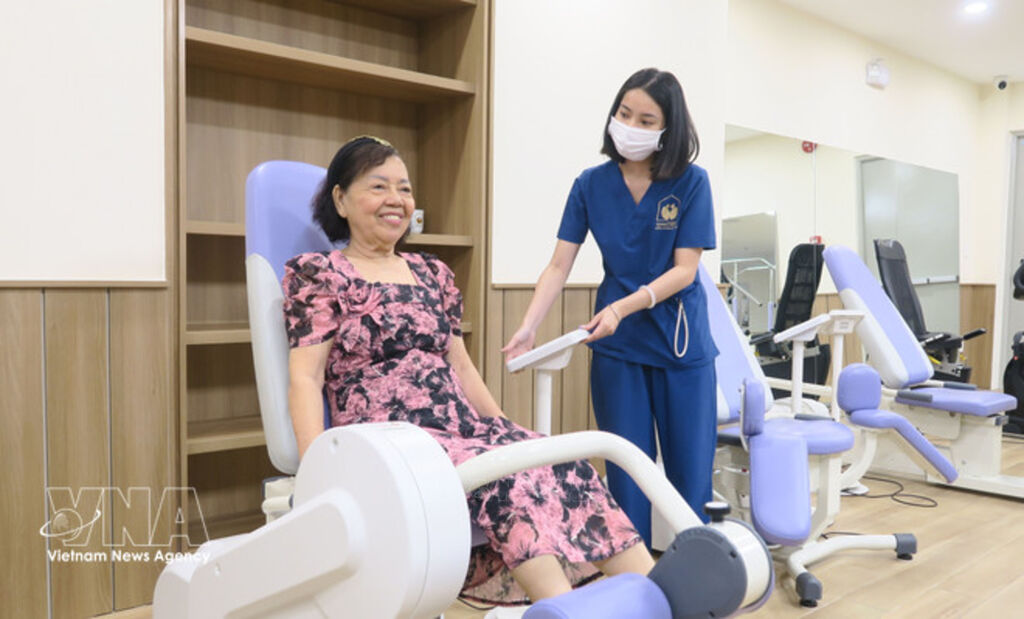 |
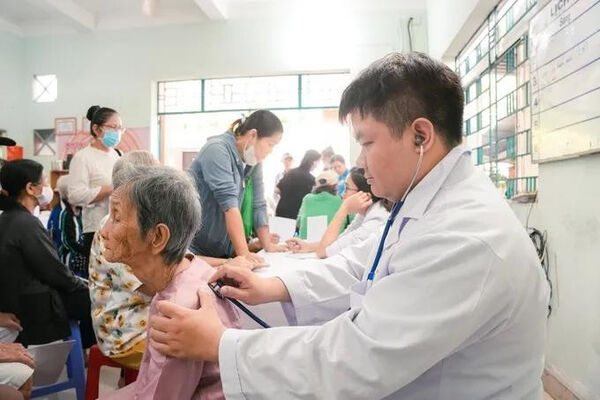
| An elderly woman receives healthcare services at Genki House, a senior activity and care centre. (Photo: VNA) |
Experts said the sector faces several significant obstacles such as high initial investment and operating costs, while most of the targeted group have limited financial capacity. Monthly fees at many private facilities range from 10 - 18 million VND (380 – 684 USD), considerably higher than the average pension level.
Another major challenge is the shortage of specialised personnel, particularly nurses, caregivers and medical support staff. Cultural and social factors also pose barriers. Traditional values emphasise filial duty, with family members expected to care for elderly parents at home. Many families worry that placing relatives in nursing homes may conflict with these norms, leading to hesitation and reluctance to adopt the model. Limited information and concerns about service quality further contribute to public caution.
Nguyen Trang Nhung, a master’s degree holder from the Academy of Finance, stressed that developing nursing home models effectively requires a comprehensive, long-term approach. Priority should be given to improving service quality and diversification, ensuring holistic physical and mental care that accommodates varying needs and financial capacities.
She also highlighted the importance of standardising and expanding the elder-care workforce through specialised training programmes and appropriate remuneration policies. The State should establish clear operational standards, supervisory mechanisms and legal responsibilities, while introducing tax incentives, credit support and public-private partnership frameworks to mobilise broader social resources for the sector./.