 |
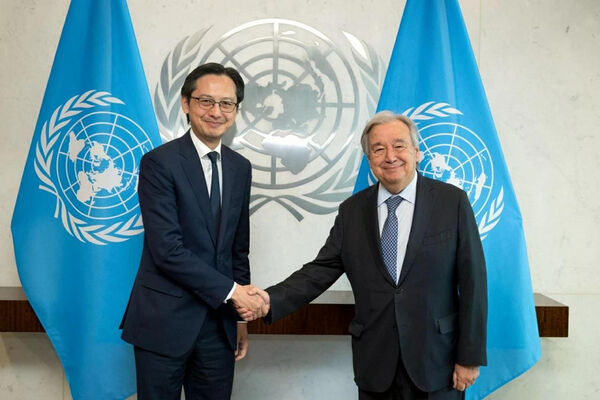
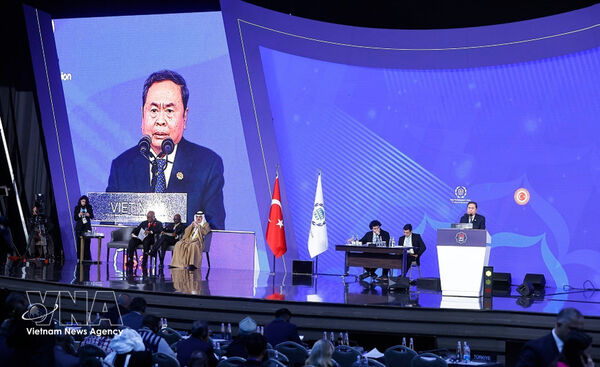
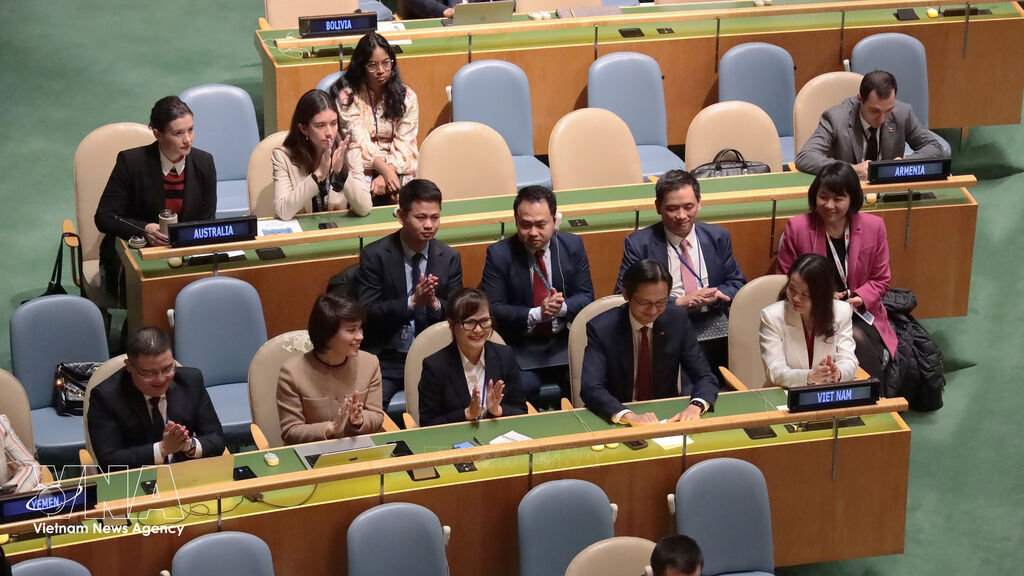
| The 80th session of the UN General Assembly elected members of the UN Human Rights Council for the 2026–2028 term at the UN headquarters on October 14, 2025 (New York time). Vietnam was elected to this position with 180 votes, the highest among the Asia-Pacific candidates. (Photo: VNA) |
Hanoi (VNA) – Vietnam has been exerting efforts in protecting and promoting human rights, which could be seen in its commitments made as a member of the United Nations Human Rights Council (UNHRC) for 2026–2028 and achievements during the previous two terms serving in this role.
On October 14, 2025, Vietnam, a member of the UNHRC for the 2023–2025 term, was elected to this post by the UN General Assembly for 2026–2028 with 180 votes, the highest number in the Asia-Pacific region.
Vietnam's re-election reflects the international community’s objective and positive assessment of its commitments, efforts, and achievements in protecting and promoting human rights, including efforts to reform the development model, streamline the administrative apparatus, and issue and implement policies to improve people’s life quality, especially those on education and health care.
This has built trust in Vietnam among other countries while refuting distortions about the human rights situation in Vietnam by some political figures and the press in the West, helping to effectively fight against hostile forces’ attempts to exploit the human rights issue for subversive purposes.
Vietnam’s role, stature asserted
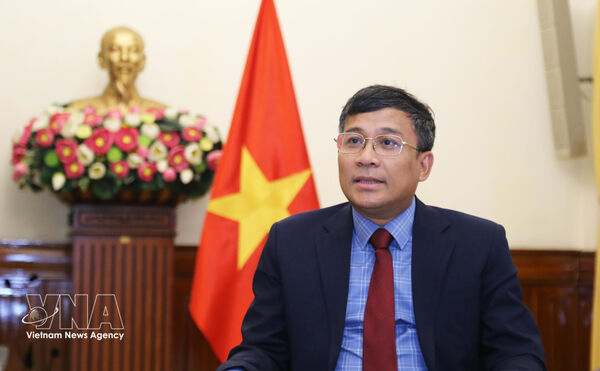
Nguyen Vu Minh, Deputy Director of the Department of International Organisations at the Ministry of Foreign Affairs, said that when running for UNHRC membership for the 2026–2028 term, Vietnam made 12 voluntary commitments. During the re-election campaign, the country strongly affirmed its commitment to cooperating with other countries, international organisations, and relevant parties in the work of the UNHRC, in line with the motto "Respect and Understanding – Dialogue and Cooperation – All human rights, for all," along with the eight priority areas it identified during its 2023–2025 term.
These include enhancing the efficiency of the UNHRC’s operations while upholding respect for the UN Charter, international law, and its functions and powers; human rights in the face of climate change impacts; combating violence and discrimination, strengthening the protection of vulnerable groups; and promoting gender equality. The others are human rights in the context of digital transformation; the right to health; the right to employment; and the right to access quality education and human rights education.
Implementing these commitments and priorities will contribute to affirming Vietnam's role and stature as an active and responsible member of the international community, Minh noted.
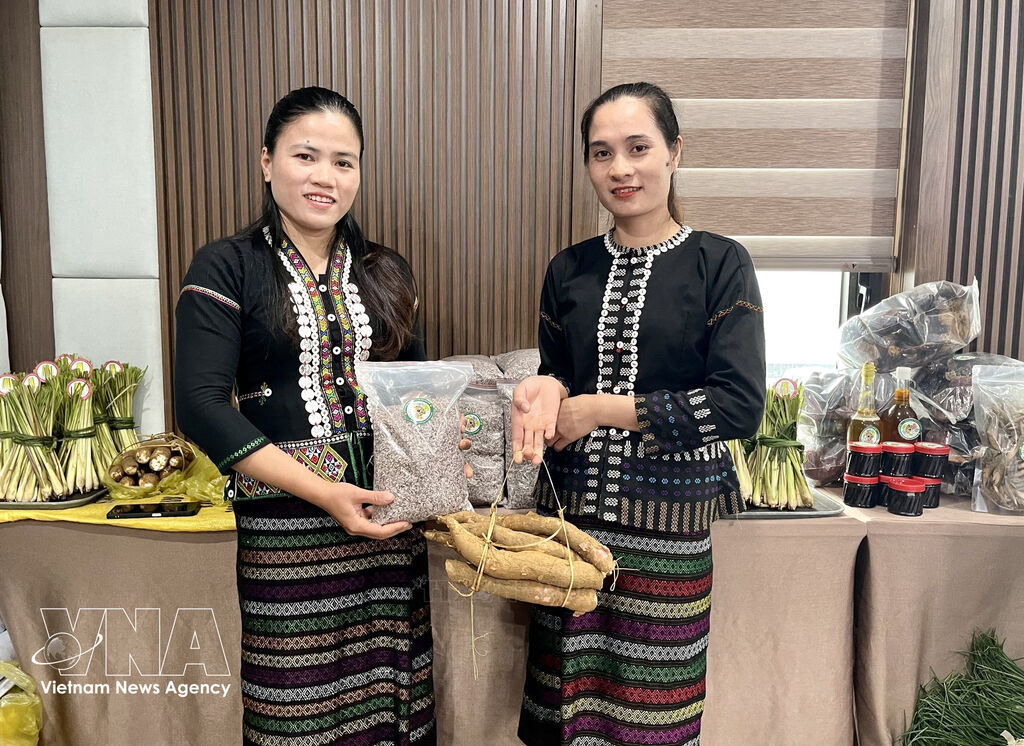 |
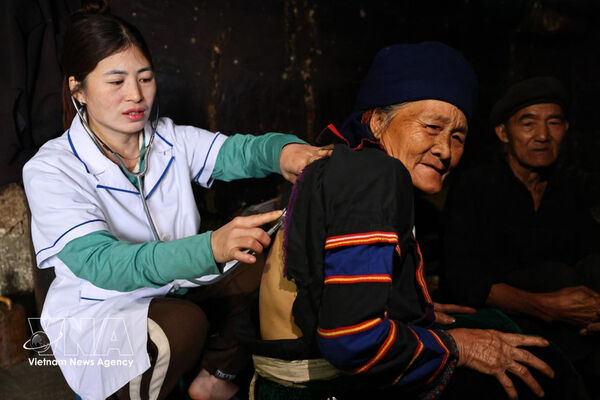
| The project on improving access to vocational training to enhance the quality of human resources and economic empowerment to contribute to gender equality for women and female students of the Bru - Van Kieu ethnic minority in Kim Ngan commune, Quang Tri province, was implemented from April 2024 to December 2025. It was funded by the International Organisation of La Francophonie (OIF). (Photo: VNA) |
These commitments, priorities, and cooperation guidelines are built upon the country’s voluntary commitments during its 2023–2025 term in the UNHRC and the outcomes of the fourth Universal Periodic Review (UPR IV) cycle of Vietnam in 2025. They also help with the implementation of the foreign policy set at the 14th National Party Congress, the Politburo’s strategic resolutions, and Conclusion No. 125 of the Party Central Committee’s Secretariat on promoting the implementation of its Directive No. 25-CT/TW, dated August 8, 2018, on strengthening and elevating multilateral diplomacy by 2030.
Therefore, assuming the UNHRC membership for 2026–2028 carries not only foreign policy significance but also domestic significance, helping secure international partners’ support for the realisation of Vietnam’s major policies and strategic vision on multiple areas of national development.
Contributing to international solidarity
This is the third time Vietnam has served as a member of the UNHRC. During its term between 2023 and 2025, the country demonstrated itself as a responsible and constructive member with many initiatives and effective contributions to common work, earning high trust from other countries. Many of its initiatives addressed common concerns and contributed to maintaining and promoting international solidarity in the context of multilateralism facing numerous challenges, such as the commemoration of World Human Rights Day, climate change and human rights, and the right to access vaccines – all of which won strong advocacy and high evaluation of other members.
At the same time, during this period, Vietnam seriously fulfilled its commitments and obligations under international human rights treaties. These included completing the fourth UPR cycle, welcoming the Special Rapporteur on the Right to Development on a visit to Vietnam in November 2023, and completing and engaging in dialogue with convention committees on national reports regarding the implementation of several human rights treaties to which Vietnam is a party, including some with complex and sensitive content such as the International Covenant on Civil and Political Rights or the Convention against Torture.
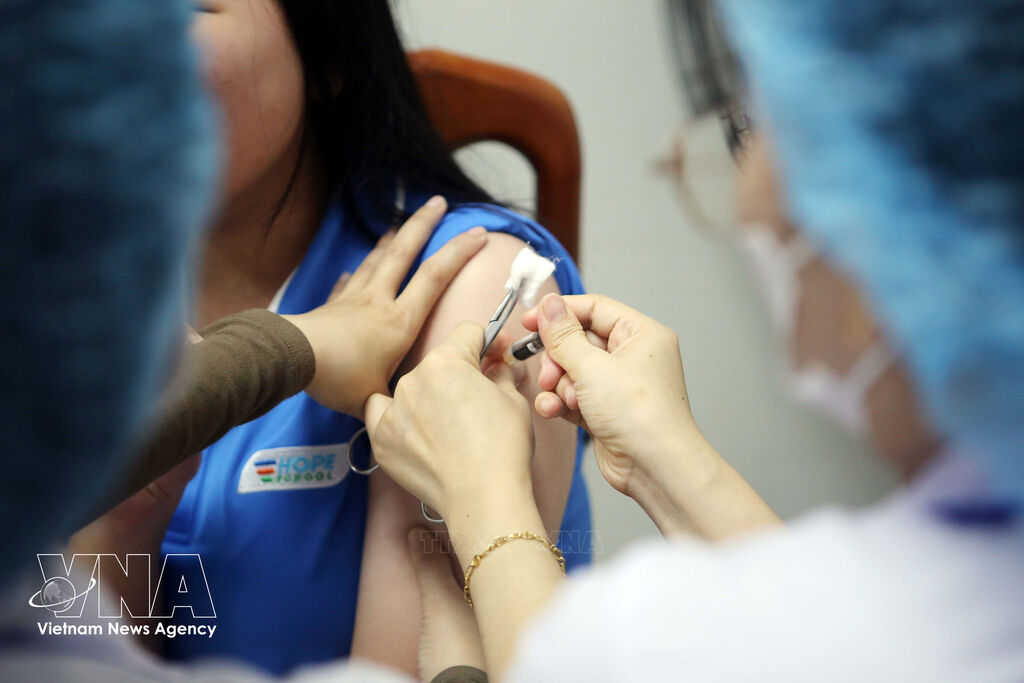 |
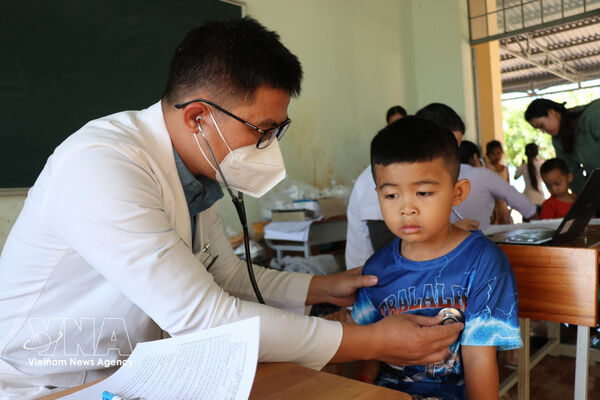
| A medical worker administers free HV vaccine to a girl in Da Nang city. (Photo: VNA) |
As a UNHRC member during 2026–2028, Vietnam has been acting in accordance with some main orientations, including actively and proactively contributing to the UNHRC’s activities, enhancing the council’s efficiency; and fully participating in all regular and special sessions of the council.
Vietnam is also working to fulfill tasks assigned by the UNHRC to its members, including participating in and chairing working groups that review the UPR reports of other countries; assuming the position of Vice President of the UNHRC in 2028 and other positions when conditions permit; promoting connectivity and cooperation between the ASEAN Intergovernmental Commission on Human Rights and the UNHRC; and strengthening cooperation with UNHRC mechanisms, including fully responding to appeals and considering the reception of delegations from relevant UN human rights mechanisms on visits to Vietnam.
At the same time, Vietnam continues to implement the 12 initiatives that have been promoted during the 2023–2025 term such as the Universal Declaration of Human Rights, climate change and human rights, access to vaccines, gender equality in achieving the Sustainable Development Goals, empowering children in cyberspace, protecting infrastructure in armed conflict, combating gender-based discrimination, violence and harassment in the workplace, and integrating human rights education into the education system.
Vietnam is proactively researching, leading, and promoting initiatives to showcase its influence and enhance its interests in forms consistent with the regulations and practices of the UNHRC while mobilising the forces of other countries with a focus on the eight priorities it consistently advocated throughout its 2023–2025 UNHRC membership and its re-election campaign for 2026–2028.
It is also proactively combating and refuting distortions about the democracy and human rights situation, unfavourable content, and interference in internal affairs to protect its national interests.
With regard to issues of common concern and initiatives from other countries, Vietnam will essentially continue to express its traditional positions as demonstrated in its statements and votes at the UNHRC, the UN General Assembly, and other multilateral forums and mechanisms on human rights, unless there is new content or a new grouping of forces that directly affects its interests or its relations with major and important partners. If there is a potential for influence, the country will consider appropriate policies and positions based on the abovementioned objectives and principles.
In terms of human rights issues in certain countries, Vietnam continues its long-standing stance of emphasising dialogue and cooperation among relevant parties to address common concerns, not supporting resolutions or documents on the human rights situation in a specific country or politicising human rights issues to interfere in internal affairs, and carefully considering its voting stance on each case based on its own interests, the situation on the ground, opinions of international and regional organisations, relevant countries, and the objectives and principles mentioned above.
From February 23 to March 31, 2026, the UNHRC held its 61st regular session in Geneva, Switzerland. The country actively participated in the session by delivering speeches and providing input on draft resolutions, thereby successfully fulfilling its duties at the first session of its 2026–2028 term as a member of the UNHRC./.