The 14th National Congress of the Communist Party of Vietnam has concluded successfully, leaving deep impressions not only at home but also drawing wide attention from the international community. In today’s episode, we’ll look back at notable international assessments of the significance and outcomes of this major political event of Vietnam.
With the largest tea-growing area and the highest product value perhectare nationwide, the northern province of Thai Nguyen is acceleratingdigital transformation and VietGAP practices to strengthen its tea brand. Bylinking production with deep processing and experiential tourism, the provinceaims to bring its tea products further into international markets.
Discussions at the event underscored support from Vietnamese intellectuals in France to the Party and State’s strategic vision, particularly the view that science – technology, innovation and digital transformation are key breakthroughs and primary drivers of fast and sustainable growth.
From UNESCO’s perspective, the resolution articulates a concrete roadmap for structural reform, aiming to mobilise social capital, catalyse the creative economy, and safeguard cultural diversity. This builds upon Vietnam’s long-standing cultural advocacy and will enable Vietnam to navigate the complexities of the digital era and a volatile global landscape, he stated.
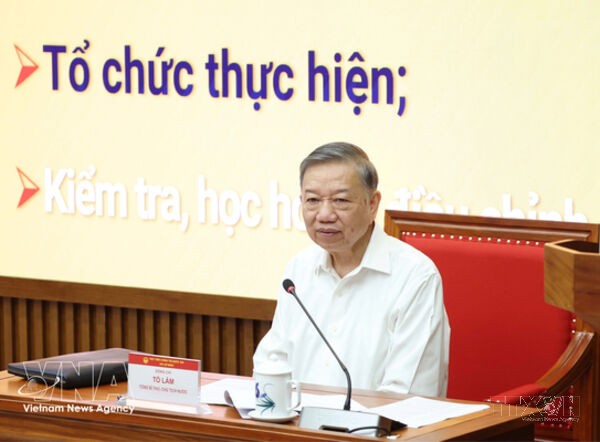
Party General Secretary To Lam called on Dien Bien to strengthen the capabilities of commune-level officials, ensuring they possess strong qualifications, proficiency in applying sci-tech and innovation, and a high degree of enthusiasm and responsibility.
Dong Thap has rolled out preparations in a synchronous and unified manner, with early engagement and close coordination among Party committees, local administrations, Vietnam Fatherland Front Committees, mass organisations, and the provincial delegation of NA deputies.
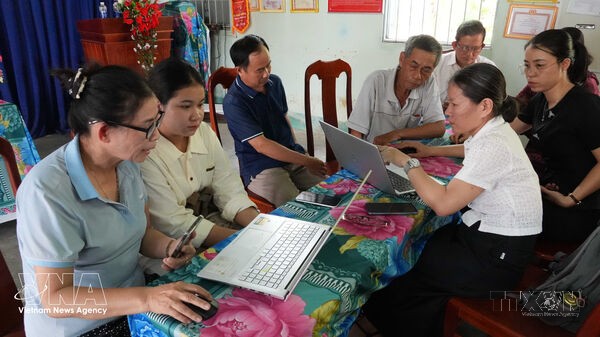
After one year of implementing the Politburo’s Resolution No. 57-NQ/TW on breakthroughs in science, technology, innovation, and national digital transformation, numerous digital models and knowledge-based initiatives have been rolled out, bringing digital transformation to communities and contributing to the fulfilment of socio-economic development targets.
During the 2021–2025 period, greater attention was given to cultural and social sectors, social welfare was ensured, and the living standards of the people continued to improve. According to the United Nations, Vietnam ranked 46th in the World Happiness Index in 2025, rising 37 places compared with 2020.
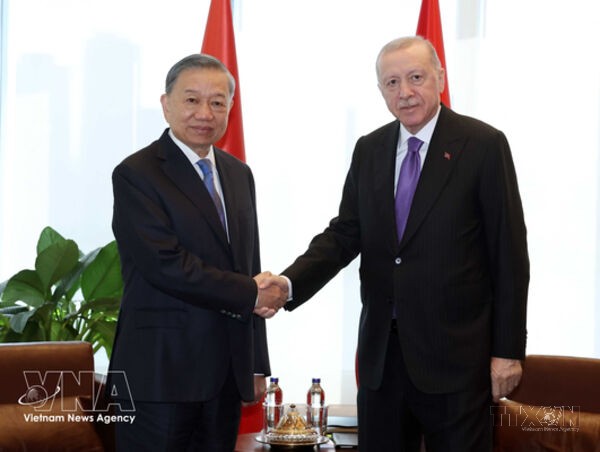
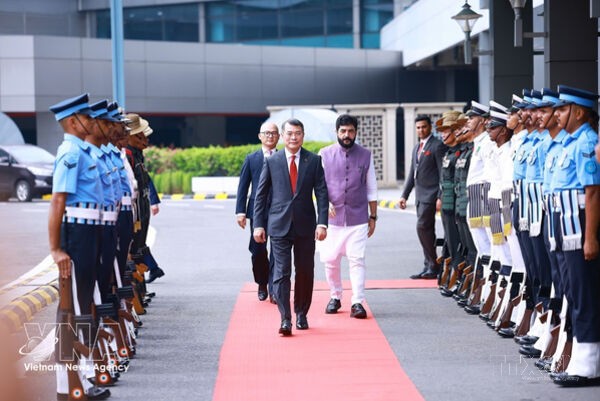
Party General Secretary To Lam and RoK President Lee Jae Myung agreed to further consolidate political trust as a firm foundation for strengthening the Comprehensive Strategic Partnership through enhanced high-level and all-level exchanges, expanded defence and security cooperation, and the implementation of defence industry and military trade projects.
General Secretary To Lam highly valued the Vietnam – Singapore relationship over the past more than 50 years, especially since the two countries upgraded ties to a Comprehensive Strategic Partnership in 2025.
Vietnamese State President Luong Cuong and President of the European Council (EC) António Costa on January 29 officially announced the upgrading of Vietnam–EU relations to a Comprehensive Strategic Partnership after 35 years of establishing diplomatic ties.
Vietnamese State President Luong Kuong and President of the European Council (EC) António Costa on January 29 officially announced the upgrading of Vietnam–EU relations to a Comprehensive Strategic Partnership after 35 years of establishing diplomatic ties.
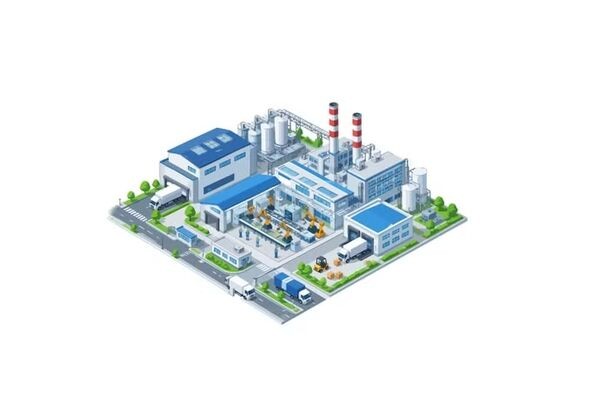
The establishment of the advanced semiconductor chip testing and packaging factory demonstrates FPT’s commitment to implementing Resolution 57 on breakthroughs in science and technology development, innovation and national digital transformation, and the National Strategy for Semiconductor Industry Development.
The European Union and Vietnam officially established diplomatic relations on November 28, 1990. Since then, their ties have grown positively, with frequent high-level meetings and exchanges, both bilaterally and on the sidelines of multilateral forums. The two sides coordinate closely in international organisations, particularly within the framework of ASEAN–EU, the Asia-Europe Meeting, and the UN.
According to Assoc. Prof. Dr. Pham Minh Phuc, Editor-in-Chief of the Social Sciences Publishing House under the Vietnam Academy of Social Sciences, the issuance of Resolution 80 places renewed and pressing demands on innovation in publishing activities in the new period.
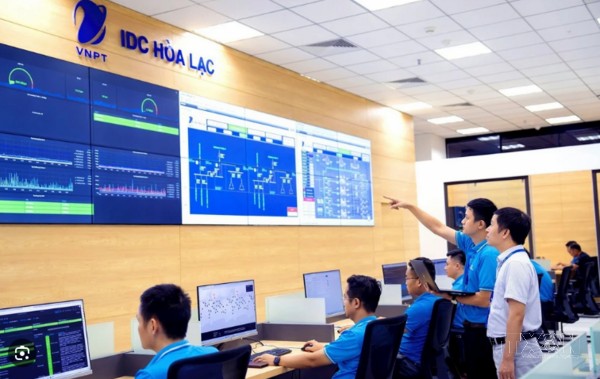
Vietnam’s Internet speeds have risen sharply, placing the country among regional leaders and within the global top 10–15 by international assessments, with 4G coverage exceeding 99.8% and 5G reaching more than 91% of the population.
The 14th National Party Congress set the goal of achieving an average annual growth rate of gross domestic product (GDP) of 10% or more; and a GDP per capita of approximately 8,500 USD by 2030.
On January 26, Cambodia’s Khmer Times published an article noting that the 14th National Congress of the Communist Party of Vietnam is not only a major milestone in the country’s development, but also brings new momentum to the traditional friendship between Vietnam and Cambodia, paving the way for deeper, more substantive and sustainable ties in the period ahead.
Resolution 57-NQ/TW has opened up new space and momentum for Vinh Long’s agriculture to transform towards modernity, sustainability and climate resilience.