Thanks to its strengths in manufacturing momentum, human capital, and income convergence, Vietnam is not just joining; it is helping shape ASEAN’s next growth cycle.
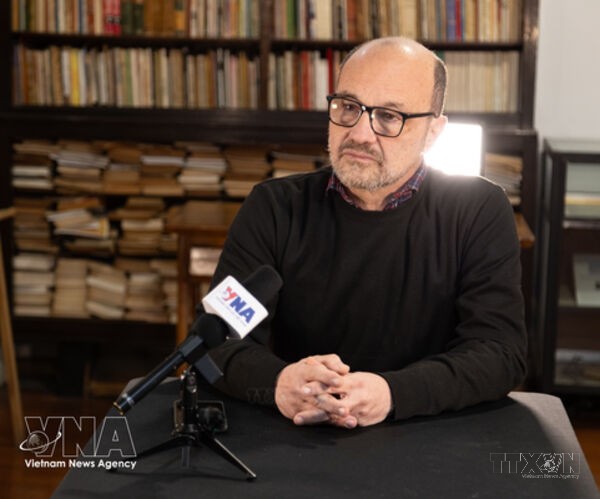
Prof. Dr. Boviengkham Vongdala described the landmark document as one of strategic significance and supreme importance to the safeguarding of the autonomy, existence and development of both nations.
Vietnam has adopted a more comprehensive approach to developing its EV industry by maintaining long-term investment incentives, investing in industrial infrastructure, developing human resources, and gradually building a high-tech manufacturing ecosystem, according to a recent article on The Jakarta Post.
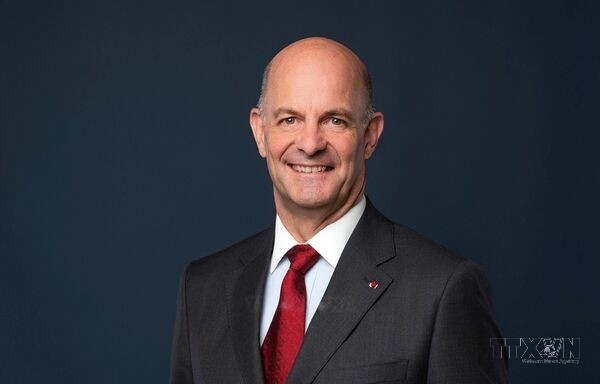
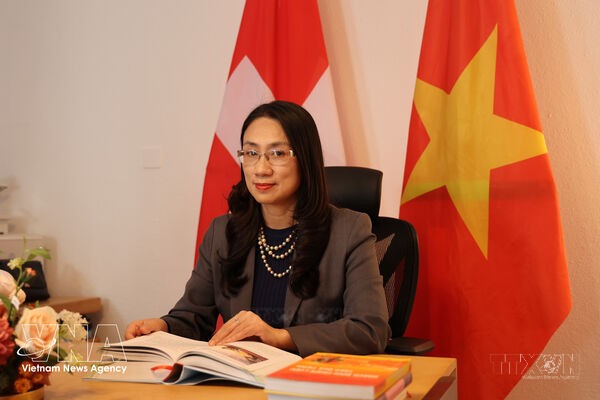
According to the diplomat, the strength of the EU-Vietnam relationship is reflected in the EU-Vietnam Free Trade Agreement (EVFTA), as well as the elevation of bilateral ties to a Comprehensive Strategic Partnership during European Council President António Costa’s visit to Vietnam in January 2026.
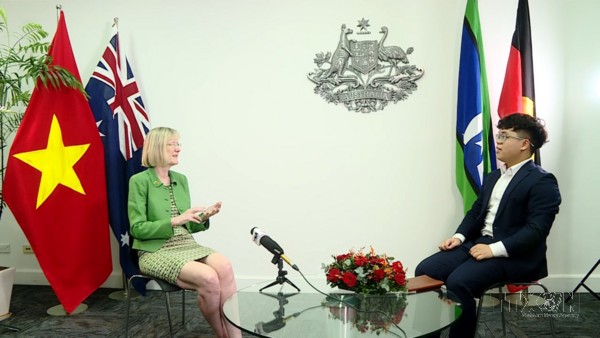
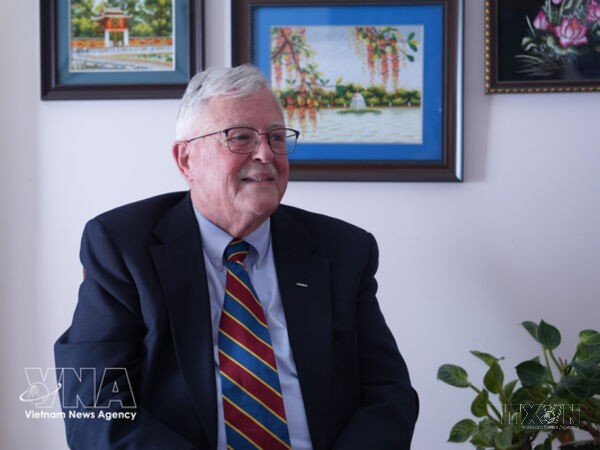
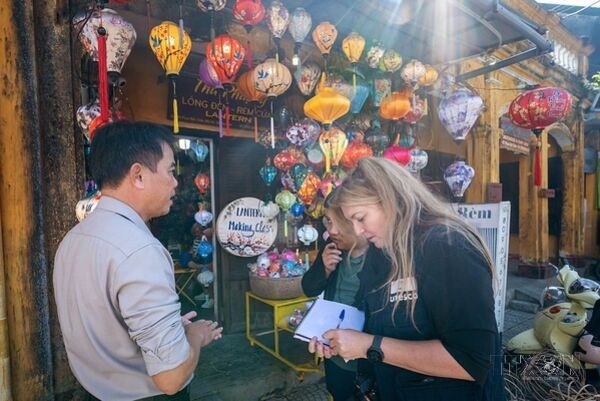
Digital transformation in the heritage sector should adopt a people-centred approach, ensuring the meaningful participation of communities at every stage-from documentation and preservation to the management, use and dissemination of cultural data. Jonathan Baker, Representative of the United Nations Educational, Scientific and Cultural Organization (UNESCO) told the Vietnam News Agency during an interview on July 8.
Artists and cultural experts shared the view that the top leader's guidance at the second meeting of the Central Steering Committee for the Development of Vietnamese Culture not only reviewed the initial implementation of the Politburo's Resolution No. 80-NQ/TW but also identified four major gaps requiring urgent action and three strategic shifts to unlock the full potential of culture.
Drawing on Party General Secretary and State President To Lam's detailed and practical guidance, artists and researchers voiced confidence that Vietnamese culture will undergo a sharp transformation and truly become both a spiritual foundation and a key driver of sustainable development in the new era.
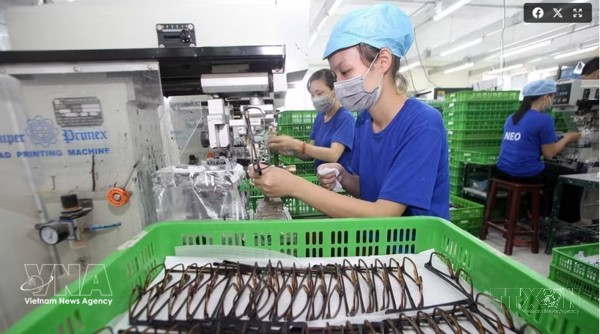
Textile and seafood exporters are struggling to retain enough workers to meet recovering export demand, underscoring a shift in constraints from demand to workforce capacity.
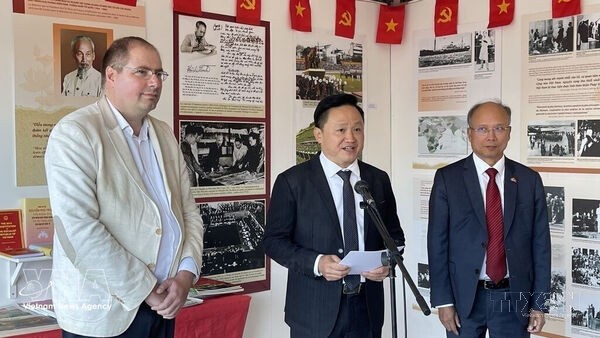
Throughout a century of development, the two sides have remained resilient in the face of changing global circumstances, continuously strengthening the Party building to reinforce their leadership and provide the political foundation for socialism building in each country, said Chinese Ambassador He Wei.
Experts say Resolution No. 10-NQ/TW could become a strategic lever for Vietnam’s sustainable development, but pose major challenges related to infrastructure capacity and environmental standards.
According to the Department of Finance, as of May 31, the city had nearly 21,000 active FDI projects worth over 143.3 billion USD, remaining Vietnam’s leading FDI destination. In the first half of 2026, FDI reached over 6.8 billion USD.
Speaking on the sidelines of the Ministry of National Defence’s conference assigning tasks to personnel participating in the humanitarian and disaster-relief mission, Major General Ty, who is head of the Vietnamese military mission to Venezuela, also stressed that the deployment reflects Vietnam’s commitment to international solidarity and humanitarian responsibility.
Speaking to French business and financial news channel BFM Business, Mickaël Driol, CEO of Mekong Partners, noted that amid global trade tensions and geopolitical uncertainty, multinational companies are increasingly diversifying their supply chains, with Vietnam emerging as a key beneficiary of this trend.
The Vietnam International Financial Centre (VIFC) is expected to play a pivotal role in attracting, connecting and channeling high-quality capital flows into the country.
Resolution 10-NQ/TW marks a significant reset of Vietnam’s foreign investment strategy, introducing broad reforms to create a more unified and effective framework for attracting foreign capital.
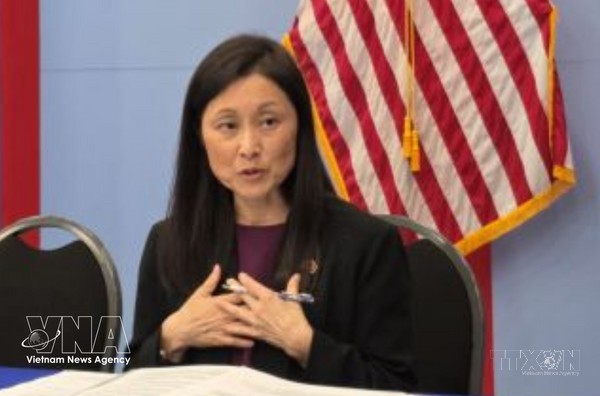
Vietnam is a key priority market for the US International Development Finance Corporation (DFC) as it looks to expand its investment footprint in the Southeast Asian country. Caroline Vik, Chief Policy Officer at the DFC told the Vietnam News Agency (VNA) during her visit to Vietnam from June 19 to 21.
Development efforts should properly recognise and leverage the role of science and technology in creating new economic models based on emerging resources.
Research findings and international experience suggest that most concerns about potential engine damage have already been addressed by scientific evidence, helping build confidence in the new fuel among motorists nationwide.
Russia highly values Vietnam’s contributions to the ASEAN Community and its active role in pushing Russia–ASEAN ties forward, she said, adding that Moscow will consistently back Vietnam’s constructive initiatives to reinforce ASEAN’s unity, cohesion and flexible response to contemporary geopolitical challenges.
The digital environment delivers clear gains: online birth registration, broader access to educational resources beyond classrooms and borders, and deeper integration into social life via national databases on law, education, health care, and population data. But it also introduces hazards such as harmful content, cyberbullying, online sexual harassment, personal data breaches, privacy violations, and potential psychological fallout from excessive screen time.
PM Le Minh Hung’s attendance at the ASEAN – Russia Commemorative Summit demonstrates Vietnam’s high regard for the ASEAN – Russia Strategic Partnership and the long-standing friendship, strategic trust and effective cooperation between Vietnam and Russia over many decades.