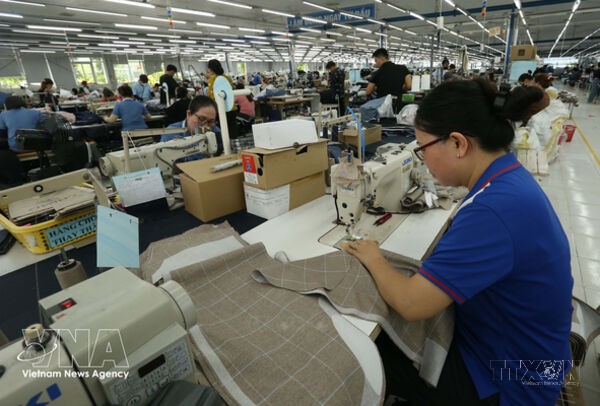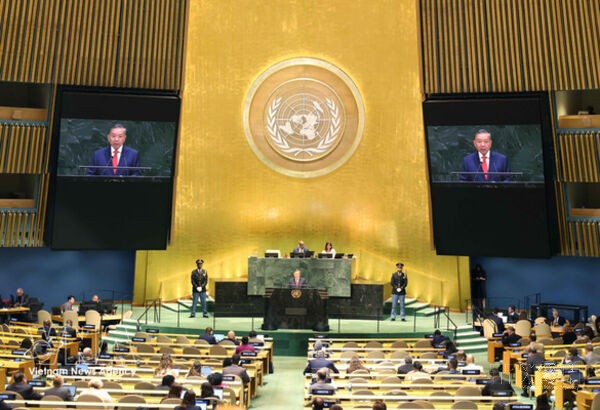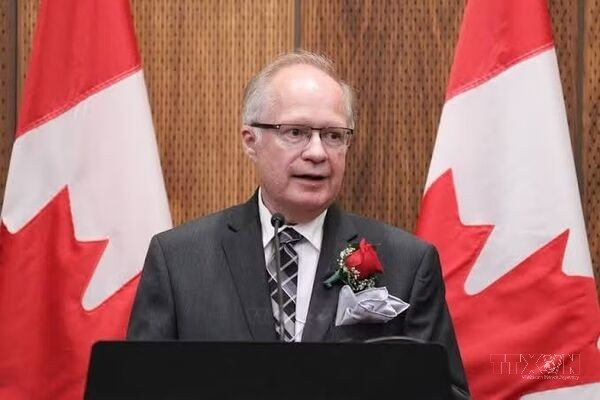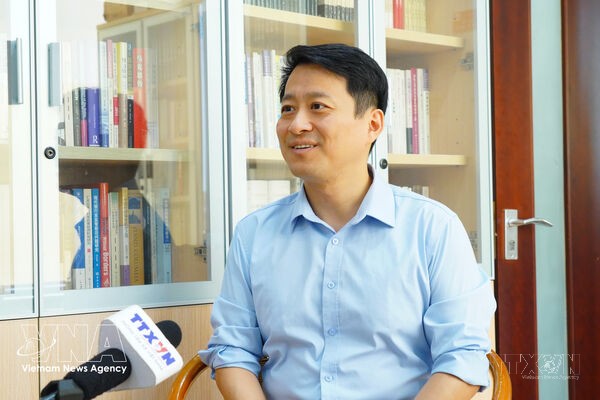
Thanks to its strengths in manufacturing momentum, human capital, and income convergence, Vietnam is not just joining; it is helping shape ASEAN’s next growth cycle.
The visits were highly successful, with their objectives achieved to a high degree. Talks and meetings with high-ranking leaders, political figures, businesses, scholars and people in both countries took place in an atmosphere of trust, openness and substance.
The head of the Vietnam Trade Office in Australia hoped that the visit by Party General Secretary and State President To Lam will mark a new milestone, opening the door for firms on both sides to forge stronger links and launch concrete cooperation agendas, helping hit that 20 billion USD trade goal sooner rather than later.
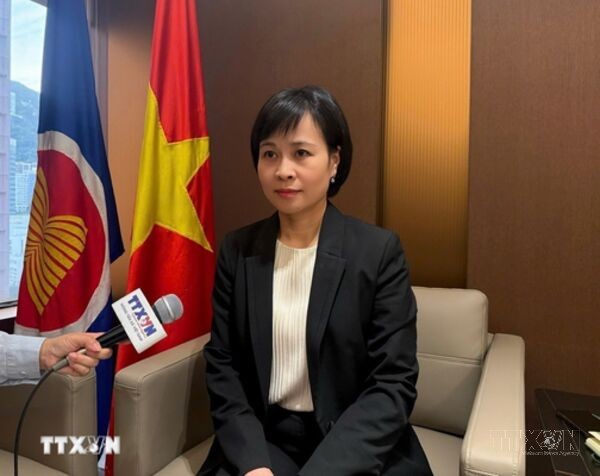
Entering a new era of national development with the aspiration of building a strong and prosperous country, the mindset of "growing alongside ASEAN" will guide Vietnam’s more proactive, positive, and substantive contributions to the ASEAN Community and the co-creation of the region’s shared future, noted Minister of Foreign Affairs Le Hoai Trung.
The state visit to Australia by Party General Secretary and State President To Lam represents an opportunity for both countries to translate strategic ambitions into concrete outcomes, said Layton Pike, a member of the Australia–Vietnam Policy Institute (AVPI)'s advisory board.
The upcoming state visit to Australia by Party General Secretary and State President To Lam is expected to generate fresh momentum for deepening bilateral relations, deliver practical benefits to people and businesses in both countries, and make a positive contribution to peace, stability, cooperation and development in the region.
With a comprehensive approach combining stronger grassroots governance, socio-economic development, improved living conditions, sustainable poverty reduction and a people-centred orientation, the “socialist communes/wards” model could become a meaningful direction in Vietnam’s development process.
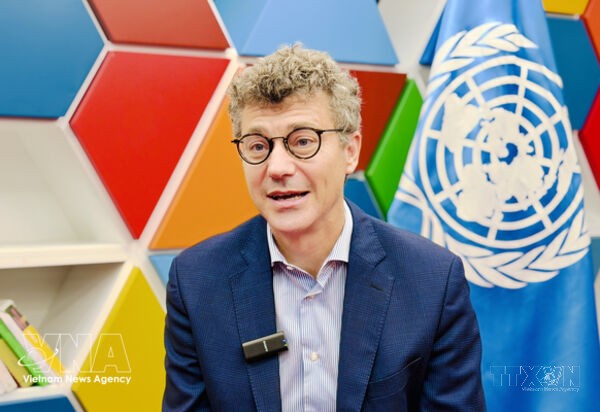
Success will increasingly be measured by whether foreign investment brings technology, develops local talent, establishes research and development (R&D) capability, and integrates Vietnamese enterprises more deeply into global value chains, according to HSBC.
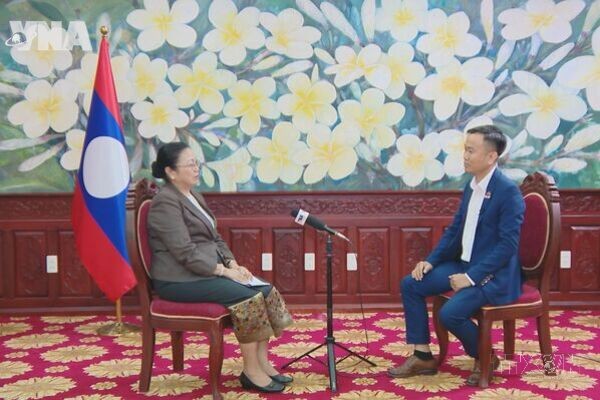
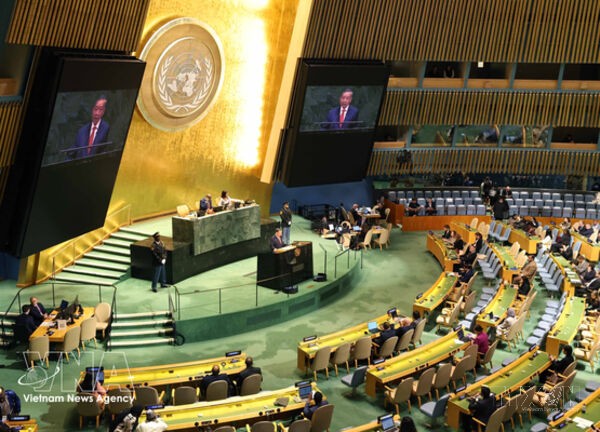
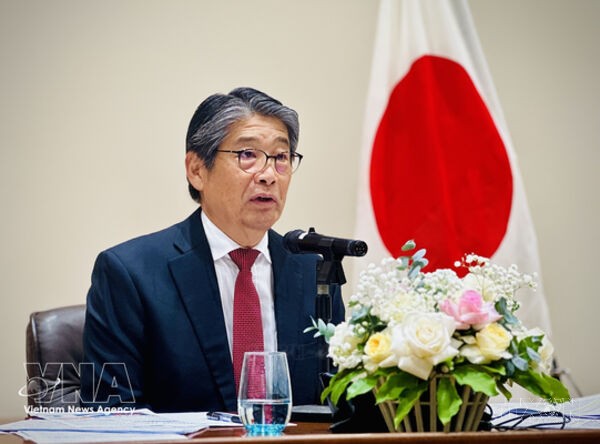
Speaking on the occasion of the 33rd Diplomatic Conference, ambassadors from Laos, Japan, the Philippines, China and South Africa highlighted Vietnam's growing international standing, its foreign policy of independence and self-reliance, and its commitment to peace, cooperation and sustainable development.
The most notable change is Vietnam’s transition from “organisational restructuring” to “improving governance effectiveness.” Previously, reforms focused on streamlining the apparatus and reducing intermediary levels. With organisational reforms largely completed, the more important task is now to ensure the new system operates more effectively, according to Professor Qu Qiang from Minzu University of China.
Nguyen Van Hung, Vice Chairman of the Cua Lo Ward People’s Committee, said nearly 20% of hotels in the locality have installed rooftop solar systems, helping reduce electricity costs while easing pressure on the power supply during the hottest months.
The community of more than six million overseas Vietnamese is increasingly recognised as an inseparable part of the nation and an important resource for strengthening Vietnam's friendship and cooperation with countries around the world, said Pham Khanh Nam, Editor-in-Chief of the Huong Viet magazine.
Vietnam's ultimate goal should not simply be to establish a presence in the semiconductor industry, but to gradually master high-value, knowledge-intensive segments of the value chain and become a key link in the global semiconductor supply chain. This would provide a launch pad for strengthening the country's competitiveness in artificial intelligence, electronics and the digital economy.
According to former Deputy Foreign Minister Pham Quang Vinh, Vietnam's 31-year journey has seen it transform from a newcomer into a responsible, proactive and increasingly influential member. Its growing role reflects not only deeper regional economic and foreign integration but also its emergence as a key driver of ASEAN's development, resilience and global standing.
Talking with Vietnam News Agency correspondents in Phnom Penh, Assoc. Prof. Dr. Neak Chandarith, Director of the Institute for International Studies and Public Policy (IISPP) at the Royal University of Phnom Penh (RUPP), underscored the visit’s profound political and strategic significance for the two Southeast Asian neighbours’ traditional friendship, particularly in further institutionalising ties between their legislative bodies.
The story of Vietnam’s economy in 2026 is not just one of faster GDP growth. It is about higher productivity, industrial upgrading, stronger capital formation, and a more prominent role in Asia’s strategic economic landscape.
According to Professor Zhu Chenming, Honourary Director of the Institute of South and Southeast Asian Studies under the Yunnan Academy of Social Sciences, the Vietnamese Party and State leader’s decision to outline new strategic directions immediately after the restructuring process reflects a clear understanding of Vietnam’s evolving development needs. Simply completing institutional reorganisation could create the misconception that the reform mission has been accomplished, while significant governance and development challenges remain.
Under the leadership of the Party and the unified management of the State, people-to-people diplomacy will continue to be a sustainable bridge of friendship, an important channel for converging resources, spreading soft power, and protecting national interests, contributing to building the overall strength of Vietnamese diplomacy in the new era of development.
The CPV and CPC have maintained direct interactions, particularly in relation to their respective theories of reform and the formulation of many current policies, enabling them to learn from each other’s experience.
For digital government, stronger investment is needed in shared digital infrastructure, particularly critical infrastructure, AI infrastructure and high-performance connectivity.
Future growth can no longer rely on expanding production capacity alone. Meeting this year's 48 billion USD export target will require greater productivity, higher value addition, stronger domestic sourcing, broader market diversification, and faster digital and green transformation.