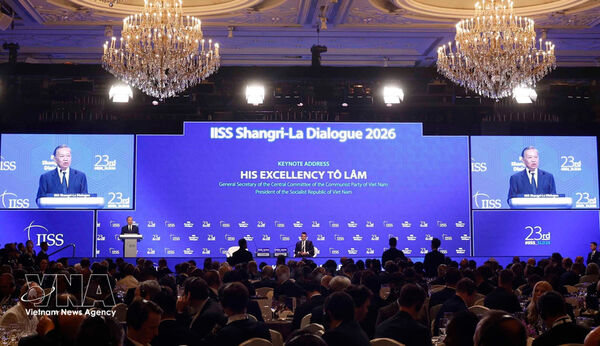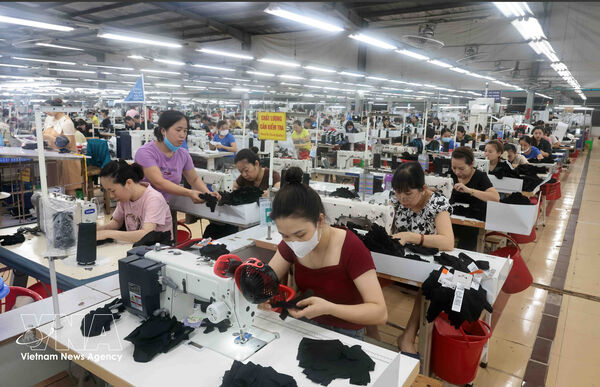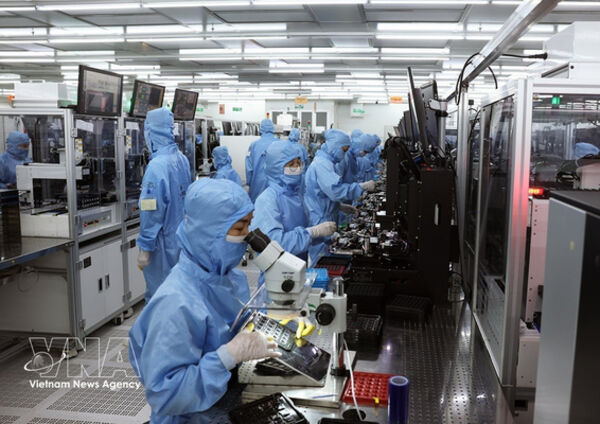
Thanks to its strengths in manufacturing momentum, human capital, and income convergence, Vietnam is not just joining; it is helping shape ASEAN’s next growth cycle.
Prime Minister Pham Minh Chinh’s visit is seen as a catalyst for developing new and effective cooperation mechanisms to realise the comprehensive strategic partnership between Vietnam and Russia.
Under the leadership of the Party, and with strengthened public trust and consensus following the general election, he expects policies will move beyond paper into real life, enabling citizens to genuinely feel the impact of progress and see the benefits of development reach every household.
Important outcomes of the visit include the signing of an intergovernmental pact for the Ninh Thuan-1 nuclear power plant in Vietnam and PAO NOVATEK’s LNG supply contract, which will help Vietnam secure strong energy infrastructure along with self-reliant and stable economic development.
Vietnam and Russia are facing a comprehensive, long-term cooperation programme. The development and implementation of this programme will require considerable efforts to clearly understand the current and future interests of both countries, as well as the potential to translate these into effective bilateral cooperation.
PM Chinh's forthcoming visit by is expected to reinforce cooperation in priority sectors, with both sides actively preparing a package of agreements across multiple fields, particularly energy.
Despite different origins and doctrines, religions in Vietnam coexist without conflict, often blending with folk beliefs. Individuals freely participate in various spiritual activities without discrimination.
Parliamentary cooperation constitutes a meaningful component of the broader bilateral relationship between the two countries, according to Professor Toshiro Nishizawa of the University of Tokyo.
45% of candidates for Vietnam’s 16th National Assembly (NA) being women reflects both the aspirations and the capacity of women to engage in decision-making processes, bringing their perspectives and experiences into law making and enforcement for the country’s development and prosperity.
Despite different political systems, Vietnam and Malaysia have successfully shared legislative and governance practices, thus strengthening the democratic foundation while expanding avenues for collaboration, according to researcher Enzo Sim Hong Jun.
In an interview with the Vietnam News Agency ahead of the election scheduled for March 15, UNDP Resident Representative in Vietnam Ramla Khalidi said the election marks an important milestone in Vietnam’s development trajectory as it takes place at a moment when the country is entering a new phase of policy priorities and institutional reforms that will shape its next stage of development.
Talking with Vietnam News Agency correspondents in Mexico City, Dong pointed to important strides in the NA’s outgoing tenure, including improvements to the institutional framework, operating methods and stronger oversight of major national issues. In his view, the NA has increasingly asserted its role as the highest representative body of the people and a central pillar in the process of building a socialist rule-of-law state.
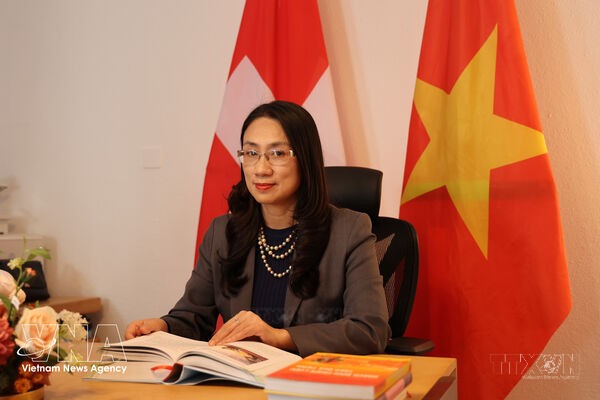
The March 15 election is expected to be an important milestone for Vietnam. It is not only a constitutional exercise but also a means of ensuring that policies adopted at both national and local levels are enforced with a strong focus on citizens’ interests, said Swiss Ambassador to Vietnam Thomas Gass.
In reality, the capacity and effectiveness of Vietnam’s legislative body have been clearly demonstrated through major policy decisions that have contributed to maintaining political stability, promoting economic growth and enhancing the country’s standing in the international arena.
Dr Julia Roknifard, senior lecturer in international relations at Taylor’s University in Malaysia, shared her assessment of the role of Vietnam’s highest legislative body in promoting economic development and strengthening multilateral cooperation amid a rapidly changing global landscape in in an interview with Vietnam News Agency correspondents in Kuala Lumpur.
The 16th NA is expected to continue refining the legal framework and introduce long-term cooperation programmes to help Vietnamese firms better leverage overseas networks to broaden markets and promote Vietnamese cultural values worldwide.
Diminishing the significance of the national festival of democracy, dampening voters’ enthusiasm, and distracting society from this important national event by “greying” the country’s socio-economic picture is also a form of sabotage.
During the 15th term, NA deputies raised a number of critical issues with government ministers during question time regarding environmental protection, land administration, and food safety. Deputies were particularly engaged during discussions on amendments to the 2013 Constitution and the Law on the Organisation of Local Administration.
Overseas Vietnamese in Japan have expressed their high expectations that the upcoming election of deputies to the 16th National Assembly and People’s Councils at all levels for the 2026–2031 tenure will help shape key policies to drive Vietnam’s development in the new phase.
Looking ahead to the 16th NA, Thang suggested that further improvements to the legal framework supporting the private sector's development should be prioritised.
The rollout of the two-tier local administration model in Ho Chi Minh City, a megacity of more than 14 million people, has placed new requirements on civil servants, demanding them to be multi-skilled, capable of handling multiple tasks and proficient in digital technologies to meet the needs of modern urban governance, said insiders.