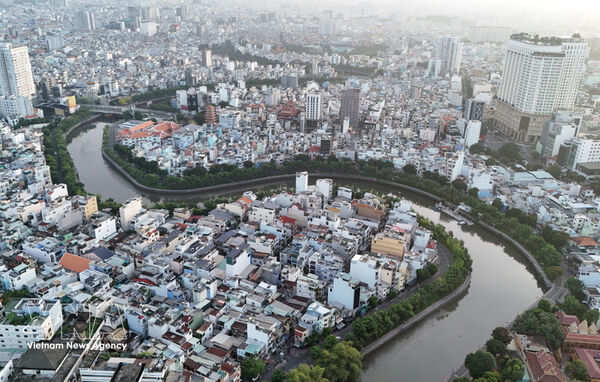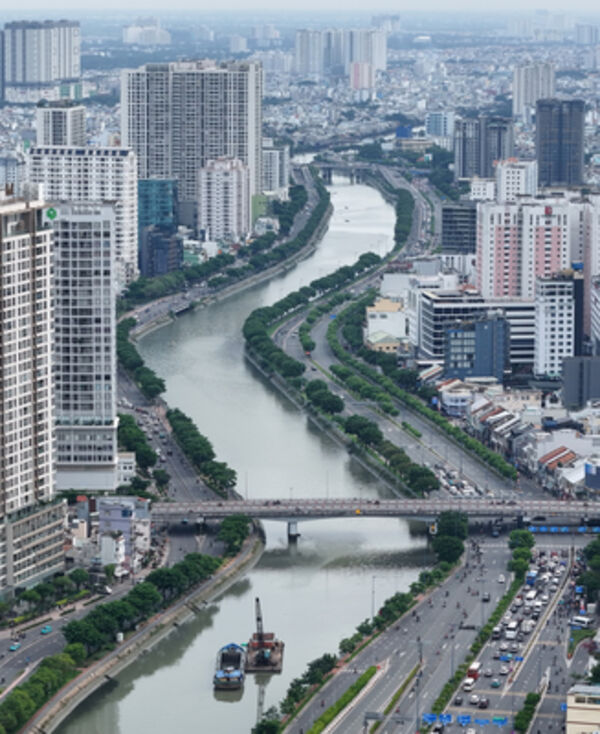
According to city authorities, restoring waterways will improve drainage capacity, reduce flooding and pollution risks, and create green public spaces along canals.
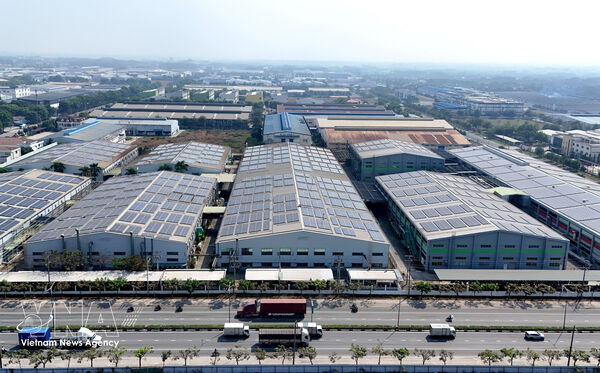
Ho Chi Minh City is currently home to 20,259 FDI projects with total registered capital of nearly 142 billion USD from 152 countries and territories. In the first half of 2026, the city attracted more than 6.8 billion USD, fulfilling 62% of its annual target.
The advisory board will support research, provide policy advice and recommend strategic directions for the centre’s development, the VIFC-HCMC Executive Board said.
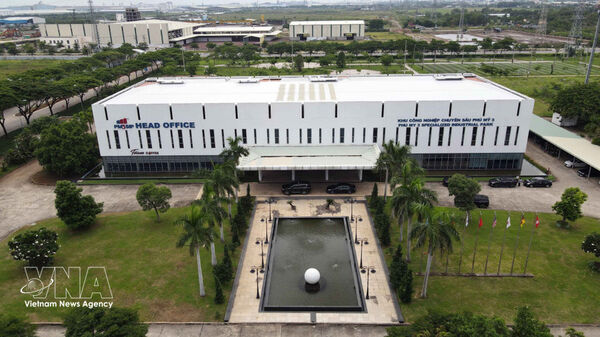
Developed under a strategic cooperation agreement between the Vietnamese and Japanese governments, the nearly 1,000-hectare industrial park is expected to become the city's first eco-industrial park under the country's new regulatory framework.
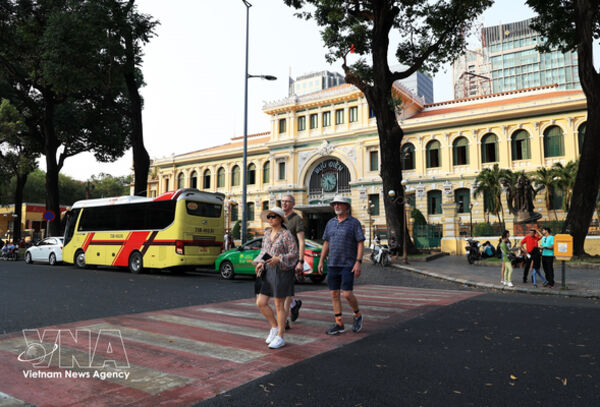
Beyond its traditional strengths in city tours, MICE tourism, shopping and cuisine, the city now offers a broader range of attractions, including coastal areas, eco-tourism sites, traditional craft villages, industrial tourism and cultural, historical and spiritual destinations.
The remaining months of the year will be devoted to accelerating implementation rather than lowering expectations, affirmed Chairman of the Hanoi People's Committee Vu Dai Thang.
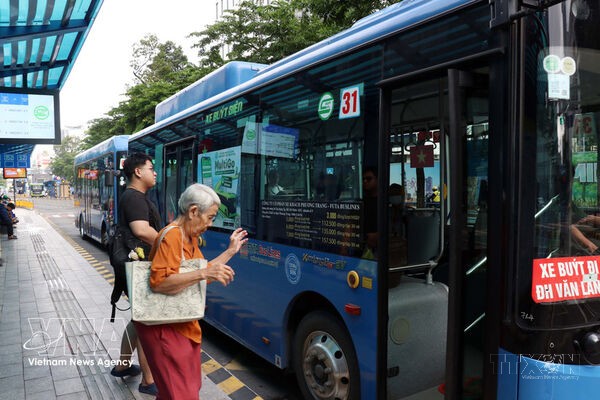
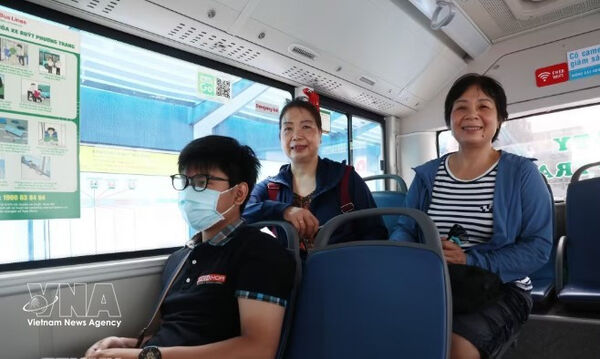
For Ho Chi Minh City, expanding public transport will help ease traffic congestion, reduce emissions, lessen environmental pressures and, at the same time, provide practical support for low-income residents by lowering living costs and improving access to employment opportunities.
According to the Department of Finance, as of May 31, the city had nearly 21,000 active FDI projects worth over 143.3 billion USD, remaining Vietnam’s leading FDI destination. In the first half of 2026, FDI reached over 6.8 billion USD.
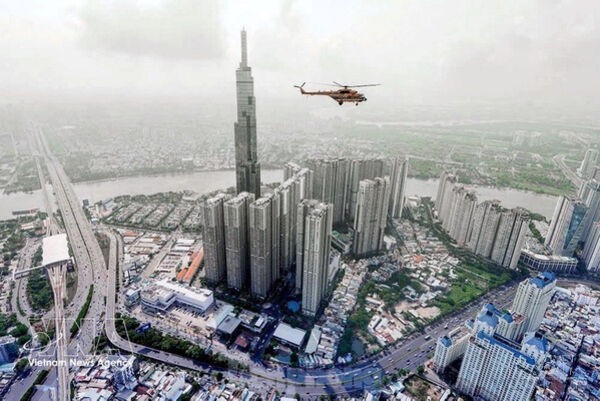
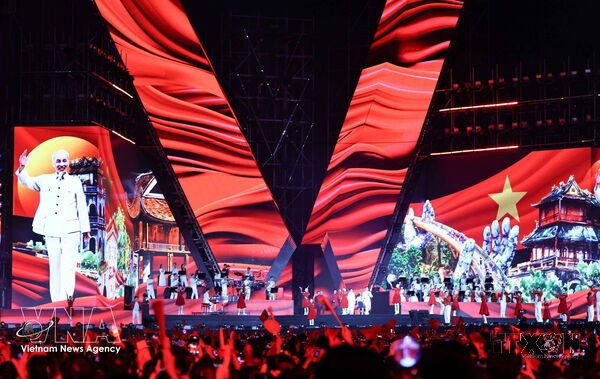
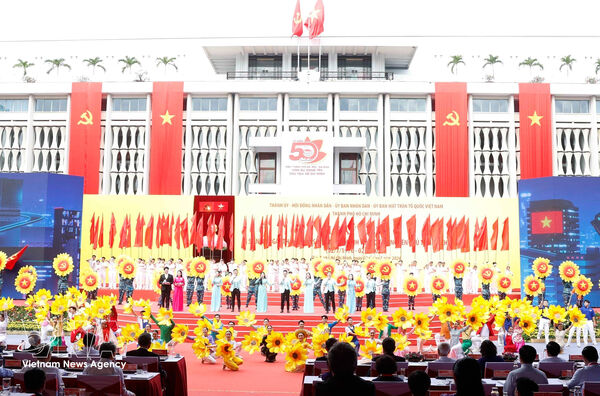
Ho Chi Minh City has every reason to take pride in its remarkable achievements over the past half-century. From a war-ravaged urban centre facing enormous post-war difficulties, it gradually restored production, stabilised people's livelihoods, consolidated the achievements of the revolution, built an effective system of governance, and safeguarded national defence and security, thereby laying a solid foundation for long-term development.
A Hanoi official called for further decentralisation to commune-level authorities in line with resource allocation, continued streamlining of organisational structures to eliminate unnecessary intermediary layers, further refining the Party organisations’ model to align with the state administrative system, greater autonomy for non-business public service units, and wider participation of businesses and social organisations in delivering suitable public services.
According to the municipal People's Committee, the projects are financed through a combination of public investment, public-private partnerships (PPP) and private capital, reflecting the Government's policy of promoting private sector development.
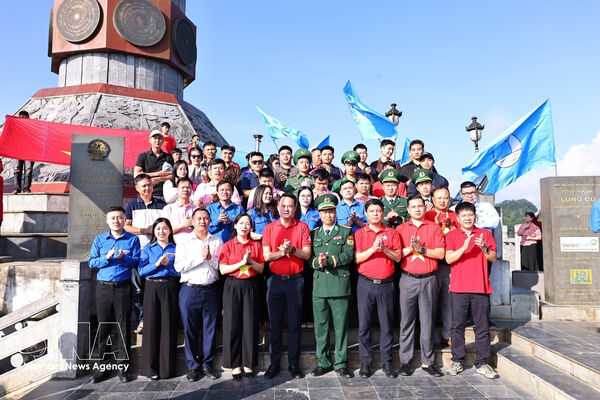
Over five decades, the southern economic hub has demonstrated resilience, intellect, and a dynamic, innovative spirit worthy of its identity as a heroic city.
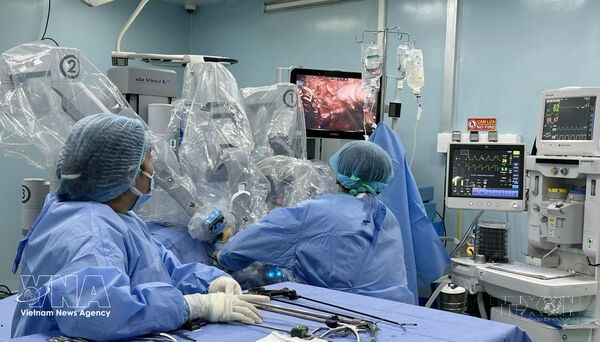
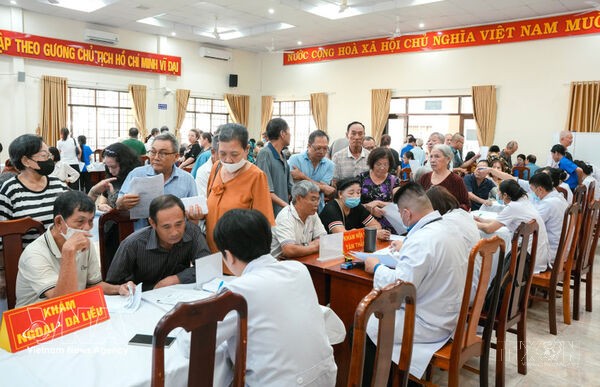
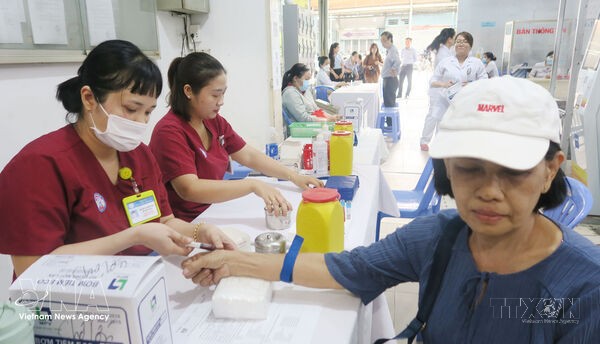
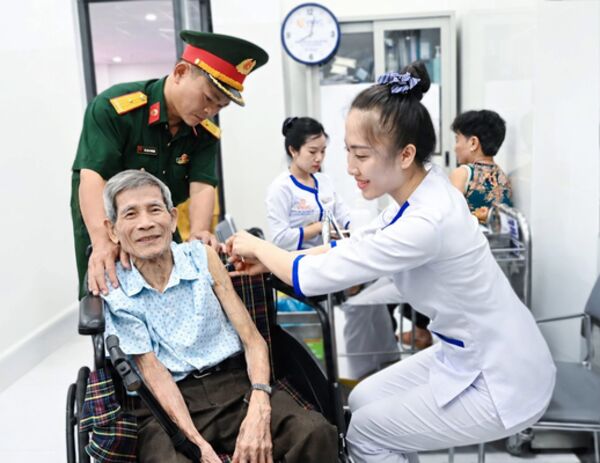
Achieving universal health check-ups in 2026 will lay the foundation for a new healthcare model in which every resident has an electronic health record, receives regular screenings, benefits from lifelong health management and gains access to early intervention through primary healthcare services.
A highlight of Kids Fest 2026 is an interactive experience zone inspired by a Rubik's Cube, with six colourful sections representing creativity, arts, sports, knowledge, the environment, and family and global integration.
The city's People's Committee has proposed allocating an additional 665 billion VND (about 26 million USD) to cover 100% of bus fares during the six-month period.
Enriching on-site visitor experiences and redesigning itineraries to create more distinctive tour products are delivering what industry observers describe as “dual benefits” – responding to growing demand for experiential and sustainable travel while reducing transportation costs and creating fresh appeal for the summer tourism season.
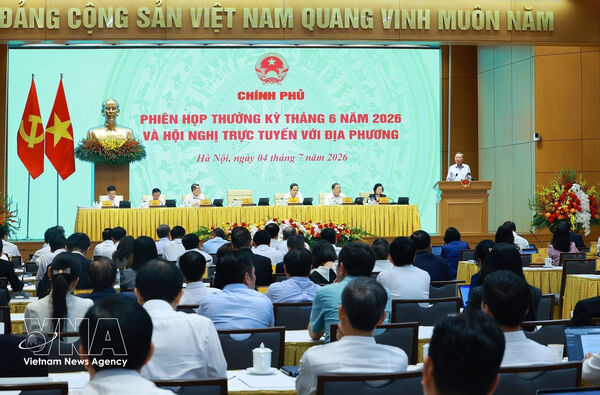
Prime Minister Le Minh Hung called for a comprehensive review of Ho Chi Minh City’s 2026 economic growth scenarios, with a focus on identifying untapped potential across sectors and deploying effective measures to maximise growth in the remaining quarters of the year, particularly in manufacturing, pharmaceuticals, logistics, finance and banking, and other high-value-added industries.
To establish a breakthrough institutional framework for the city’s development in the new era, the resolution calls for the formulation and enactment of a Special Urban Law.
In Ho Chi Minh City, the flagship campaign, titled “Touching Heritage”, is set to be launched in Saigon, Ben Thanh, and Cho Lon wards via short videos, livestreams, and other interactive digital formats.
The institutions covered by the scheme are the University of Economics Ho Chi Minh City (UEH), University of Medicine and Pharmacy Ho Chi Minh City (UMP), Vietnamese-German University (VGU) and Vietnam National University Ho Chi Minh City (VNUHCM).