 |
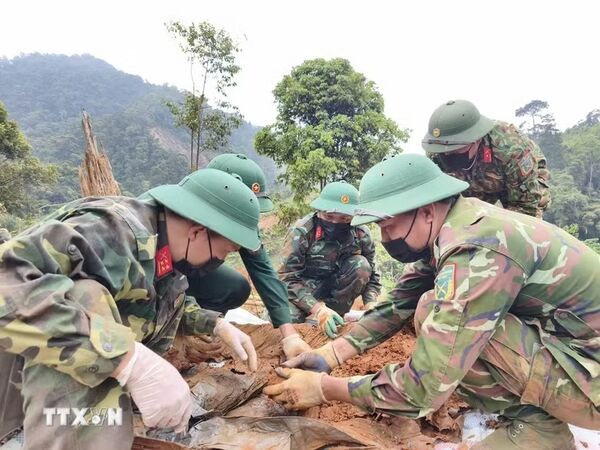
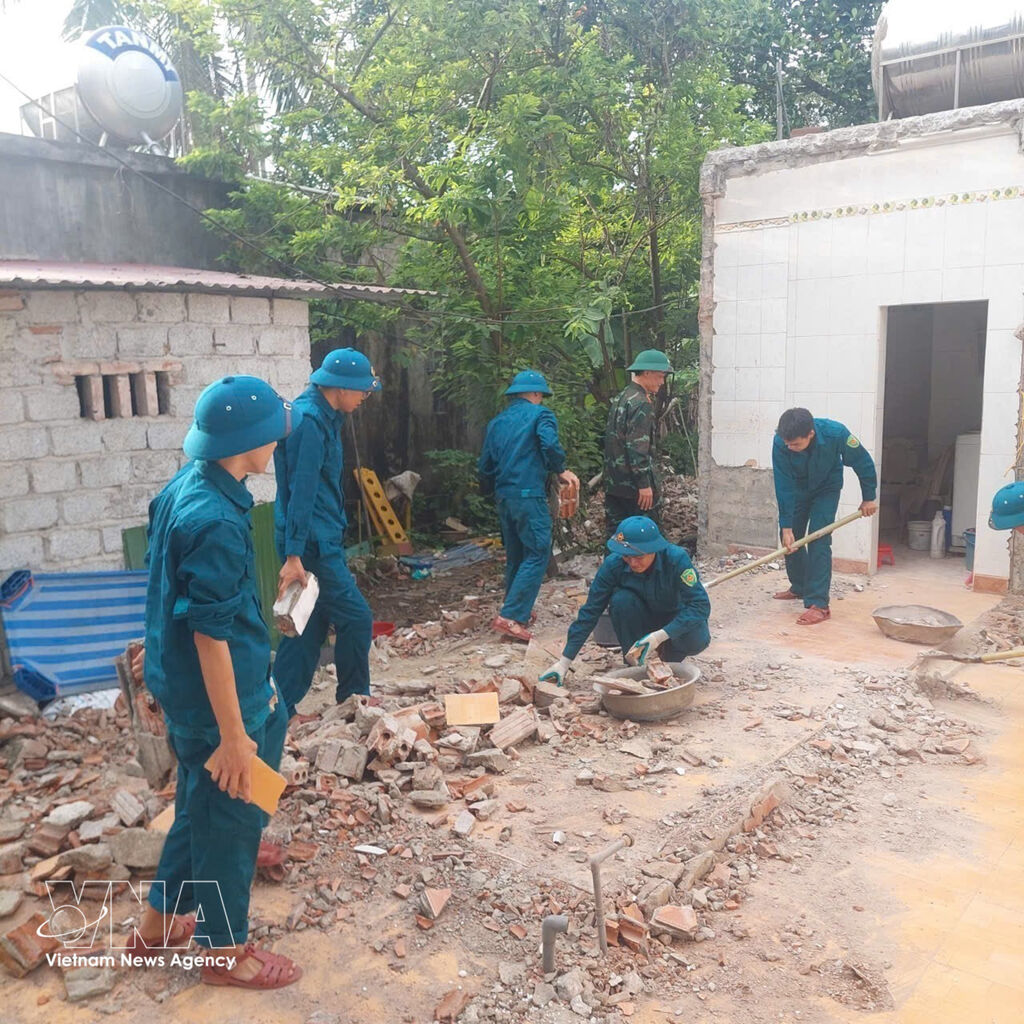
| As of June 10, 2026, the Thanh Hoa provincial Military Command deploys 674 officers and soldiers to assist families eligible for the programme to replace temporary and dilapidated homes for the biological children of revolutionaries exposed to toxic chemicals, contributing a total of 4,592 workdays. (Photo: VNA) |
Hanoi (VNA) – Ten provinces and centrally-run cities will simultaneously launch a programme on July 15, to replace temporary and dilapidated homes for biological children of those who joined the resistance wars and were affected by Agent Orange/dioxin.
According to an official dispatch issued by the Government Office, Deputy Prime Minister Pham Thi Thanh Tra commended the Ministry of National Defence and 24 localities for proactively implementing housing support for eligible beneficiaries. The programme has so far provided assistance to repair or build 1,422 homes for biological children of revolutionaries exposed to toxic chemicals who receive monthly preferential allowances and are living in temporary or unsafe housing, including 410 homes already completed, handed over and put into use.
The Deputy PM assigned the Chairpersons of the People’s Committees of the 10 provinces and cities that have yet to begin construction to urgently complete all necessary preparations and hold simultaneous ground-breaking ceremonies on July 15, for projects to build and repair homes for eligible beneficiaries. The move is aimed at marking the 79th anniversary of War Invalids and Martyrs Day (July 27, 1947–2026).
She also instructed local authorities to conduct thorough reviews to ensure that support is provided to the right beneficiaries, used for the intended purposes and kept within state budget limits. Localities were asked to mobilise the entire political system, Party committees, administrations, socio-political organisations, armed forces, businesses and residents to contribute additional resources, accelerate implementation and ensure the programme is completed as soon as possible, thereby improving living conditions of beneficiaries.
The Ministry of Ethnic and Religious Affairs was tasked with urging localities to reimburse funds to the For the Poor Fund before July 24, creating additional resources for the programme.
The Ministry of National Defence was instructed to review actual housing support needs in each locality and propose a detailed allocation plan for financial assistance from the For the Poor Fund.
The Ministry of Finance was asked to promptly issue guidance on principles governing central budget support for localities and to closely coordinate with the Ministry of National Defence in carrying out the programme./.