 |
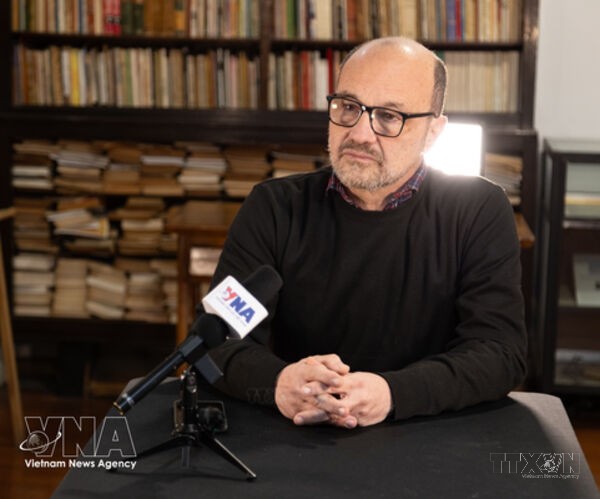
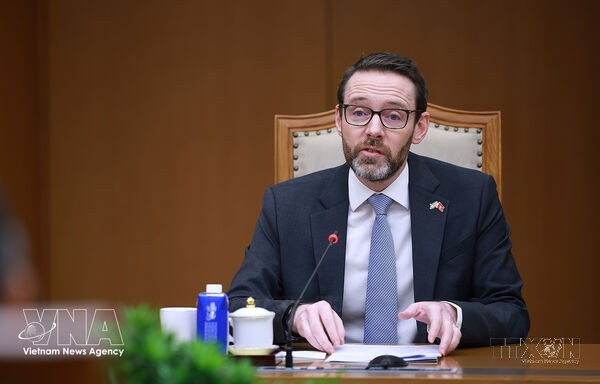
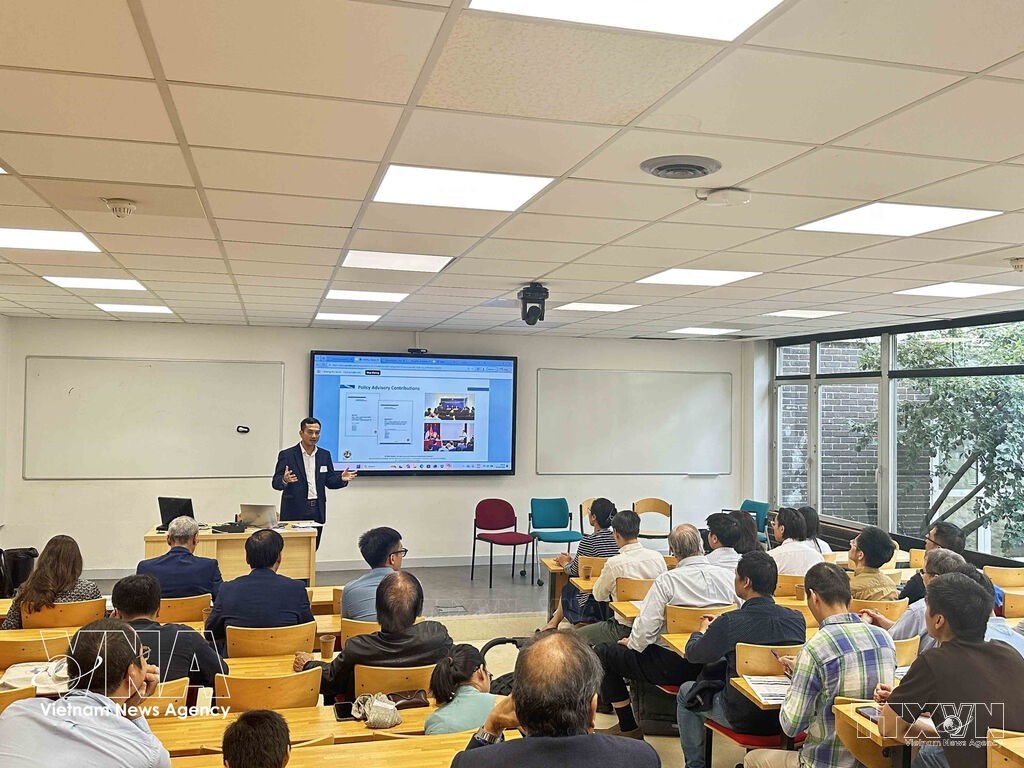
| The seminar is held both in person and online, bringing together leading nuclear energy experts from around the world. (Photo: VNA) |
Paris (VNA) – The Vietnam Nuclear Professional Network (VietNuc) on August 29 held a seminar on Vietnam’s nuclear power programme at École Polytechnique in Paris, bringing together Vietnamese experts working at leading nuclear agencies and organisations in Vietnam, France and other countries.
Held both in person and online, the seminar focused on the current status and opportunities for Vietnam’s nuclear power programme, human resources development, global trends in small modular reactors (SMRs), experience in ensuring safety and extending the operational life of nuclear power plants, and ways to mobilise Vietnamese experts abroad to contribute to the programme.
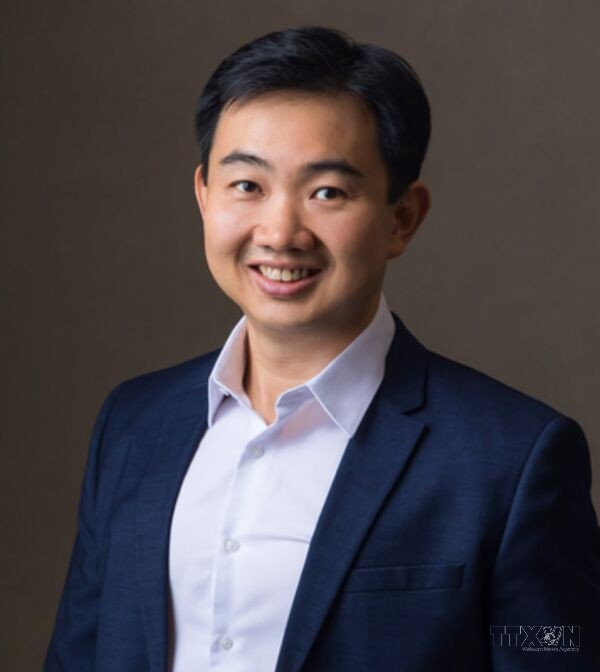
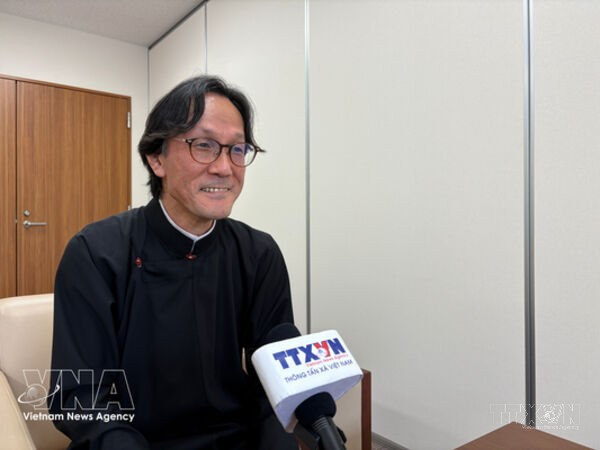
Speaking to Vietnam News Agency (VNA) correspondents in Paris, Bui Nguyen Hoang, a VietNuc representative and moderator of the seminar’s discussion session, said the event was aimed primarily at creating a forum for members of the network to meet and exchange views, while expanding connections with experts in Vietnam and around the world.
He said VietNuc seeks to share experience from nuclear power programmes worldwide to support Vietnam in developing its nuclear power programme safely and successfully. The network also aims to serve as a bridge enabling Vietnamese experts abroad and international partners to contribute their knowledge and experience to Vietnam.
At the seminar, Nguyen Hoang Linh, Director of the Vietnam Agency for Radiation and Nuclear Safety (VARANS) under the Ministry of Science and Technology, gave an overview of the status and opportunities of Vietnam’s nuclear power programme. His presentation highlighted that nuclear power development requires not only technology selection and plant construction, but also comprehensive preparations in legal frameworks, management capacity, nuclear safety and security, human resources and international cooperation.
Human resources were identified as a decisive factor in the sustainable implementation of the programme. Xavier Perrette, Vice President for International Relations at France’s National Institute of Nuclear Sciences and Technologies (INSTN), under the French Alternative Energies and Atomic Energy Commission (CEA), shared experience in developing human resources for national nuclear programmes.
Drawing on training programmes in Asia, the Middle East, Africa and Europe, Perrette stressed that workforce development should begin early, follow a long-term plan and be aligned with each stage of a nuclear programme, from management, design and construction to operation, safety oversight and radioactive waste management.
Another key topic was the development of SMRs. Dr. Vu Thanh Mai, an expert at the International Atomic Energy Agency (IAEA), reviewed global SMR development and emerging technologies. While SMRs offer potential advantages through smaller capacity, modular construction and greater flexibility in energy-system deployment, technology selection must be carefully assessed in terms of maturity, commercial viability, costs, regulatory requirements, safety and technological self-reliance.
Established in July 2025, VietNuc now has more than 100 active members and connects with around 200 experts worldwide. Its members work in nuclear management, engineering, construction, project management and research in France, the UK, Austria, Belgium, Italy, Vietnam and other countries.
The Paris seminar demonstrated the potential of Vietnamese experts abroad to serve as an important bridge connecting domestic needs with international expertise, technology and training systems, contributing to more comprehensive preparations for Vietnam’s nuclear power programme and its careful, safe and sustainable development./.