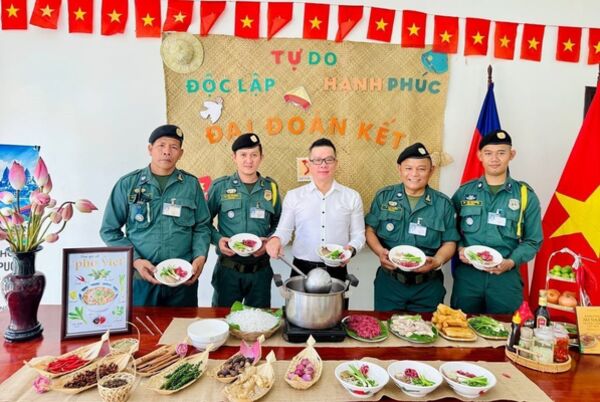
The “Day of Pho” event was held at Ngon Restaurant in Phnom Penh on November 21, highlighting Vietnam’s culinary heritage and promoting cultural exchanges between Vietnam and Cambodia.
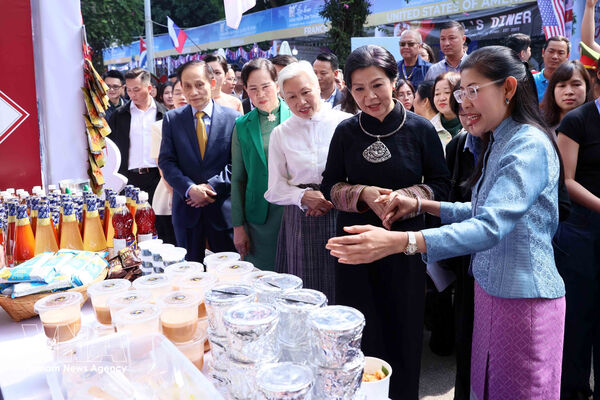
Held on November 21-22, ahead of Vietnam Culture Day on November 24, the 14th International Culinary Culture Festival 2026 provides an opportunity to celebrate the distinctive values of Vietnamese and international culinary cultures, promote exchanges and mutual understanding, and strengthen friendship between Vietnam and the international community.
Addressing the opening ceremony, Vice Chairman of the provincial People’s Committee Dinh Van Tuan said the festival will promote cultural exchanges and tourism links while providing a platform for businesses from both countries to showcase products, share experience, seek partners and establish long-term cooperation.
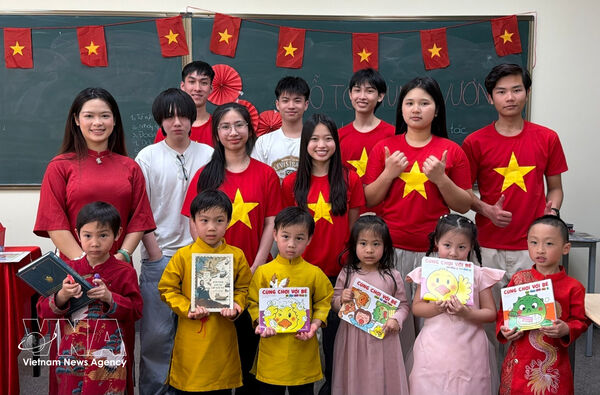
Beyond language skills, children learn about Vietnamese history, stories of filial devotion and national heroes, and the importance of respecting parents and teachers. Weekend classes begin with the national anthem, while festivals and traditional holidays offer opportunities to make greeting cards, prepare traditional cakes and learn to wrap 'banh chung' (square sticky rice cakes).
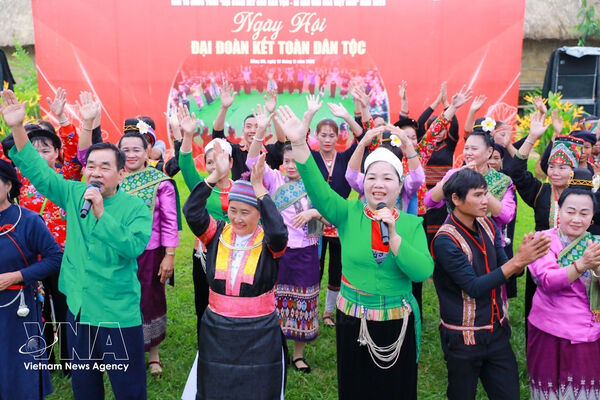
Harnessing cultural strength and reinforcing the great national unity bloc begin with concrete action at the grassroots level. In this process, Party committees provide leadership, local authorities create favourable conditions, the Vietnam Fatherland Front (VFF) and its member organisations play a central role in mobilising and bringing people together, while citizens are the creators, practitioners and beneficiaries of cultural values.
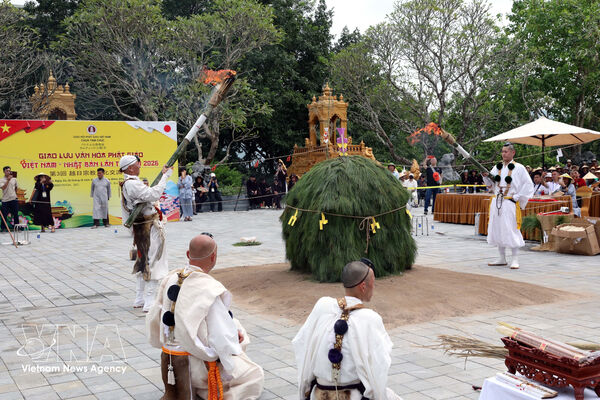
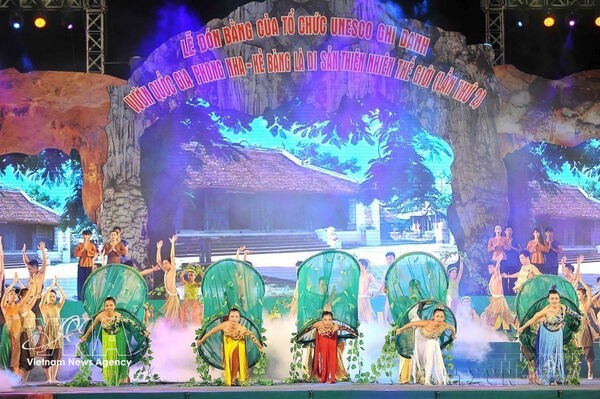
The biennial festival, jointly hosted by the Vietnam Buddhist Sangha (VBS), the provincial Buddhist Sangha and Tam Chuc Pagoda, returned to Vietnam for the third time, featuring traditional religious rituals and cultural performances from both countries.
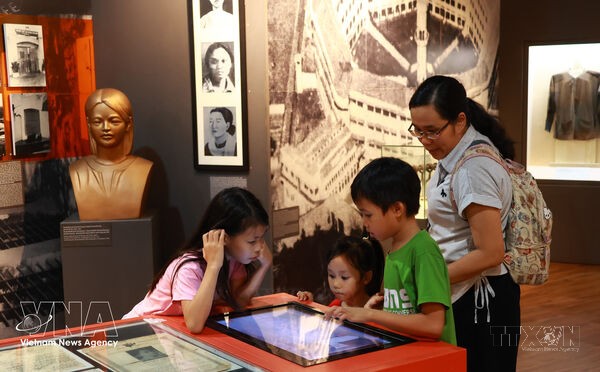
The Southern Women’s Museum has so far digitised 1,113 artefacts, but only 113 are currently accessible to the public. According to deputy director of the museum Pham Thi Dieu, thousands of other artefacts are awaiting an exhibition system under an expansion project. The museum hopes to complete the system in 2027, enabling online visitors to explore the digitised collections.
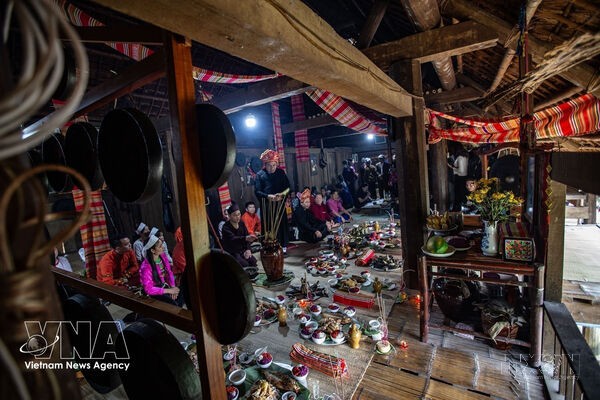
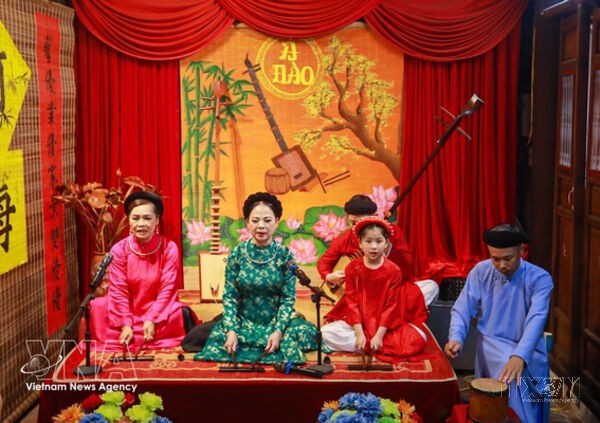
Digital transformation is emerging as an important solution to preserve and promote traditional cultural values at risk of fading, including Mo Muong, a national intangible cultural heritage closely associated with the spiritual life of the Muong ethnic minority community.
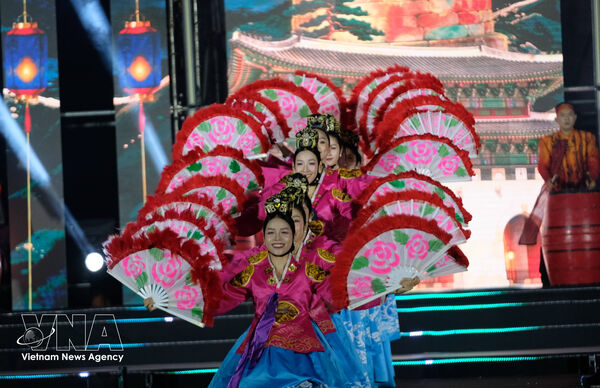
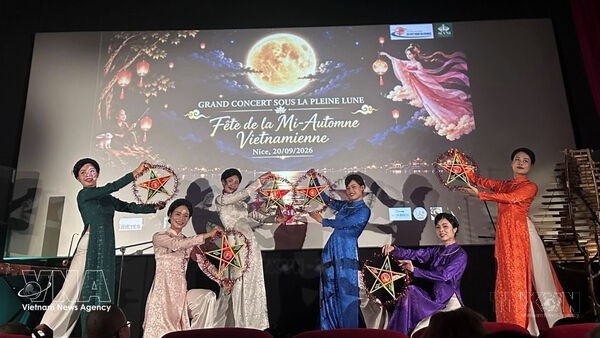
It was the first time the festival had been staged in Nice at this scale, combining cultural and art programming with activities for families and children.
People, communities, artists, intellectuals, businesses and young people should be placed at the centre as both participants and creators, as well as direct beneficiaries of cultural achievements during activities marking Vietnam Culture Day, according to Deputy PM Pham Thi Thanh Tra.
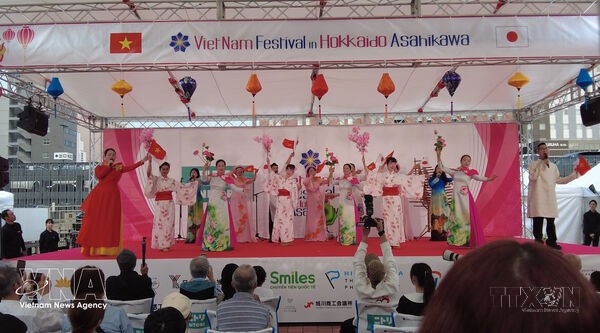
The first Vietnamese Cultural Festival in Asahikawa, Hokkaido, has attracted a large number of Japanese residents and members of the Vietnamese community, offering a vibrant showcase of Vietnamese culture and promoting people-to-people exchanges between the two countries.
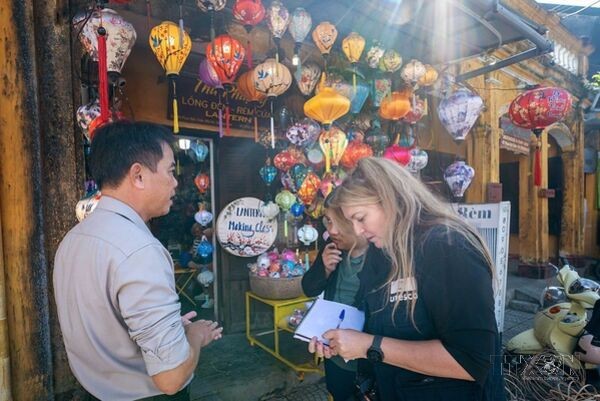
UNESCO Representative to Vietnam Jonathan Wallace Baker outlines five priorities for heritage-driven development and previews the next phase of UNESCO–Vietnam cooperation as the two mark 50 years of partnership.
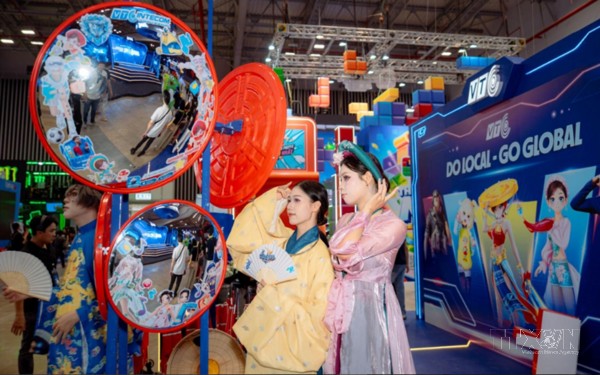
As games are identified as one of the country’s six key cultural industries, the proposed changes are expected to create more opportunities for domestic businesses to develop products while bringing Vietnamese history and culture to global audiences.
The draft law on cultural industry development seeks to establish a formal legal status for cultural industries within the national economic structure and connect their value chains to boost economic value, exports and strategic investment while promoting Vietnamese identity and soft power internationally.
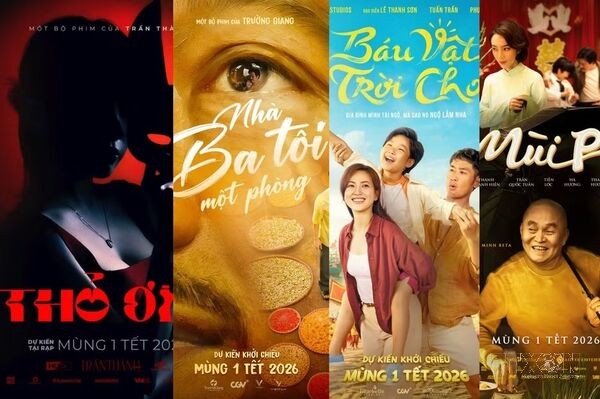
As Vietnam’s cultural industries continue to develop, cinema is emerging as a sector with enormous potential, not only generating significant economic value but also playing an important role in promoting the country’s image and enhancing its soft power.
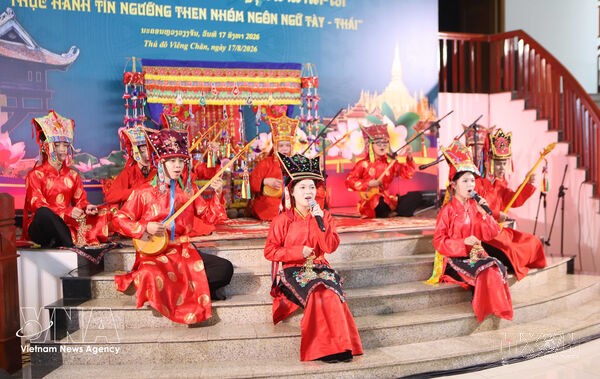
The programme aims to promote the value of an intangible cultural heritage of humanity while strengthening the great friendship, special solidarity, comprehensive cooperation and strategic cohesion between Vietnam and Laos.
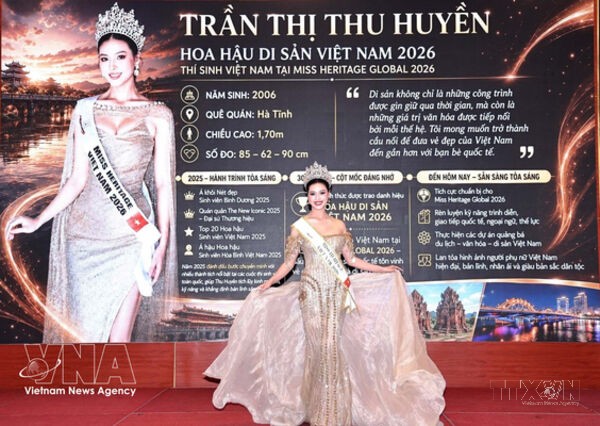
Vo An Nguyen, who leads the committee and serves as CEO of Future Star World, called the pageant an international contest built around heritage, where beauty is measured alongside knowledge, community responsibility and the preservation of each country's cultural treasures.
The blueprint seeks to deepen international cultural integration, export Vietnamese values and absorb the essence of world cultures. The end goal is an advanced culture steeped in national identity, deployed as a soft power to fuel rapid, sustainable growth, lift Vietnam’s global standing, and add a distinct thread to the tapestry of human civilisation.
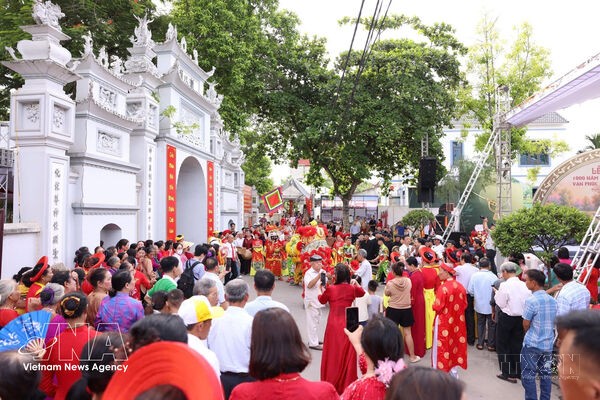
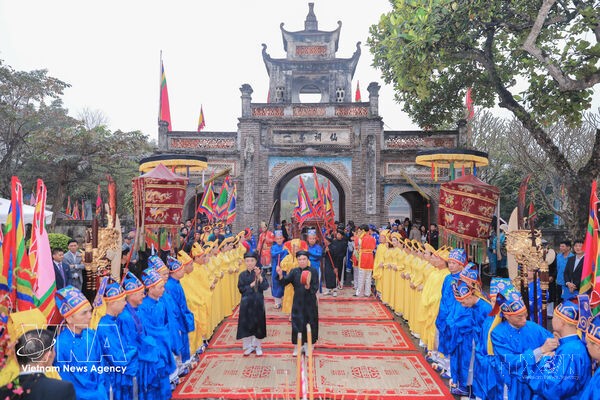
The thousand-year bond between Van Phuc and Nga My represents more than the history of two villages; it illustrates how living heritage can reinforce Vietnam's cultural identity while contributing to the country's soft power.
The initial results in heritage conservation, digital transformation, cultural industry development and artistic creativity facilitation suggest that Resolution No. 80 is gradually taking effect across the country.