The event offered more than 6,600 job and internship opportunities across a wide range of sectors, including information technology, engineering, aviation, logistics, finance, e-commerce, tourism and services. It was jointly organised by technology enterprises and the Ho Chi Minh City University of Technology (HUTECH).
Data from the online booking platform Agoda shows that Ho Chi Minh City recorded the highest growth in searches from Thailand, reaching 134%, followed by Da Nang with a 58% increase. Other destinations such as Hong Kong (China) saw more modest growth.
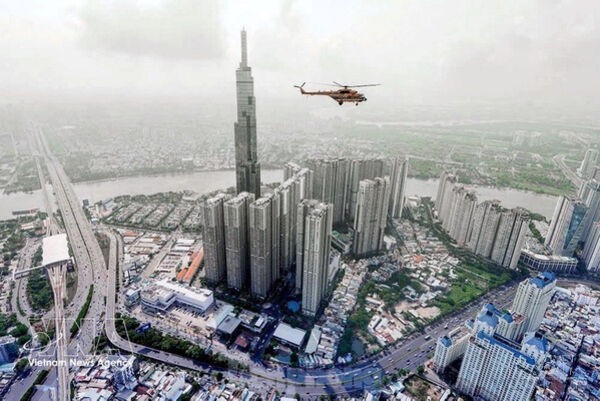
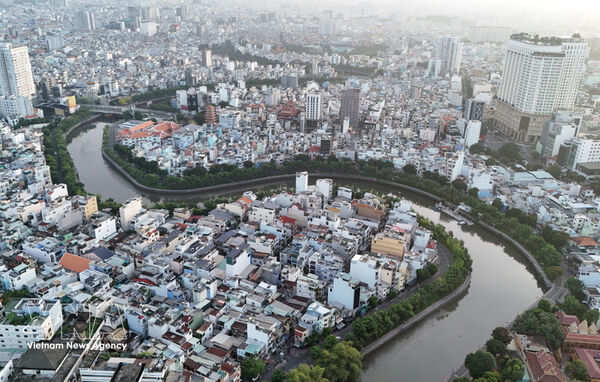
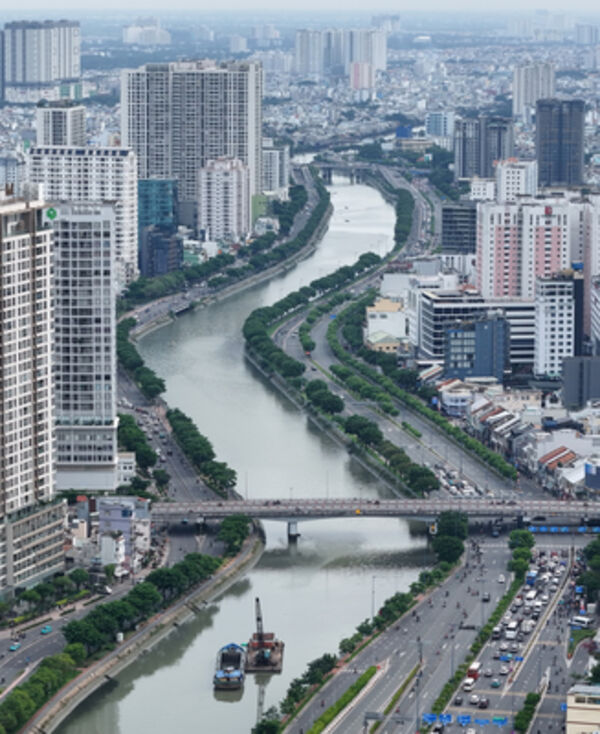
The newly-launched large-scale projects in Ho Chi Minh City are expected to shape a megacity of regional and international stature, and generate strong momentum for the city's next phase of growth.
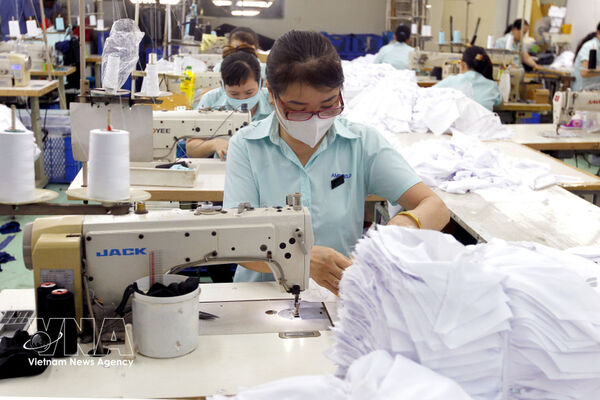
Party General Secretary and State President To Lam affirmed that the Party and State consistently regard the working class as a highly important force in the cause of national construction and defence.
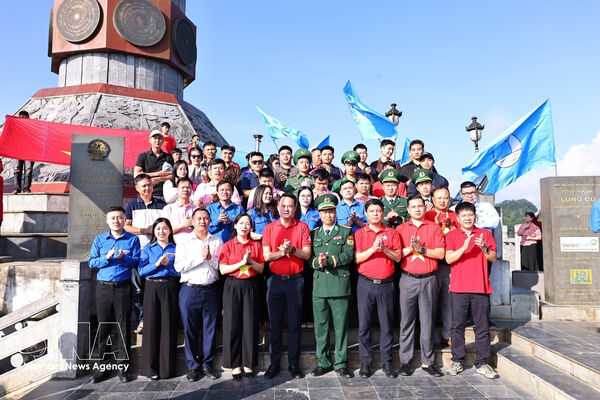
In Ho Chi Minh City, leaders, residents, overseas Vietnamese, students and pupils offered incense and flowers in tribute to the Hung Kings and Nguyen Huu Canh, credited with opening up the Sai Gon – Gia Dinh area.
In this context, Vietnam stands out prominently as Ho Chi Minh City ranks second globally, while Hanoi takes fifth place in the growth potential ranking. The simultaneous presence of both Vietnamese megacities in the global top tier reflects not only strong growth potential, but also the country’s increasingly prominent role in regional value chains.
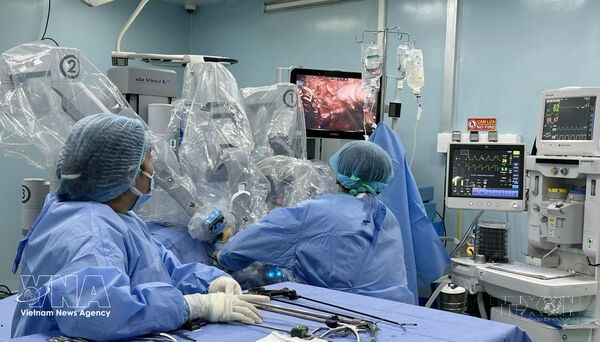
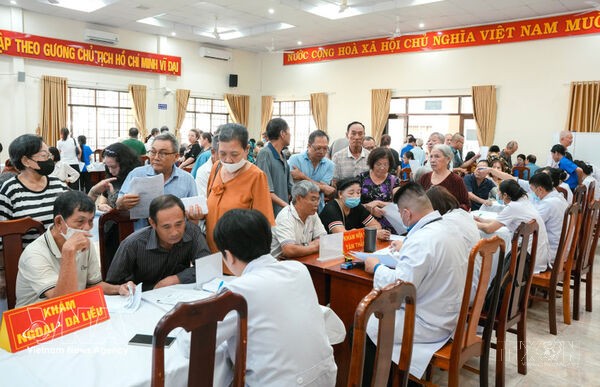
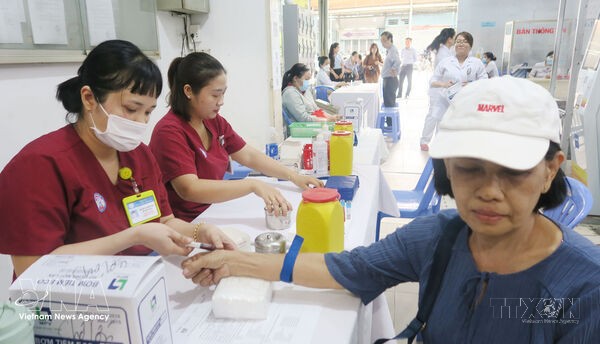
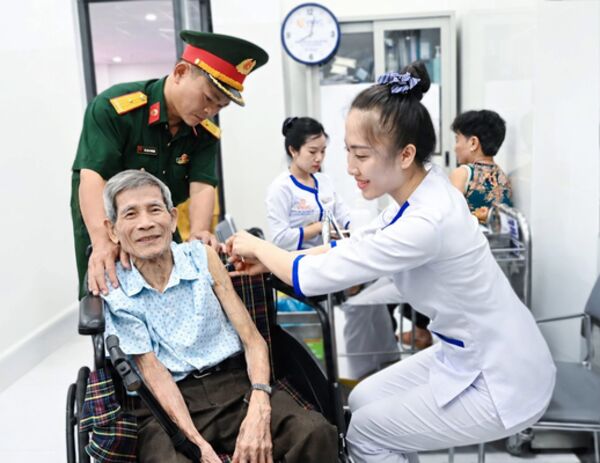
The initiative is designed to bring multi-specialty healthcare closer to communities, with an emphasis on vulnerable and high-risk groups, including the elderly, those with chronic conditions, and disadvantaged populations, enabling early detection and sustained health management.
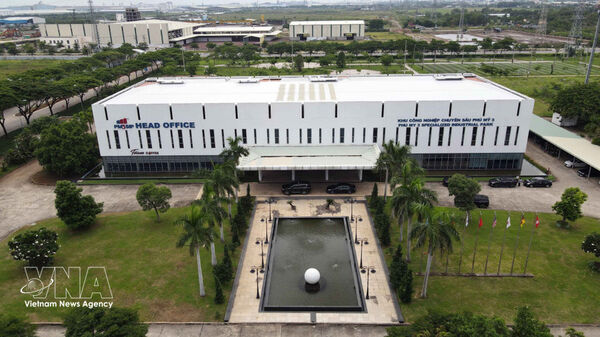
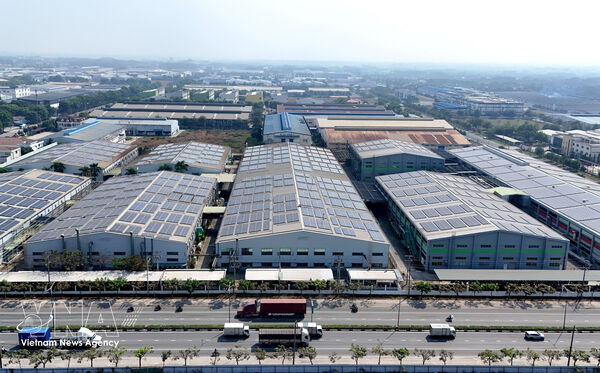
According to Deputy Head of HEPZA Le Van Thinh, the new policy comes as the city intensifies administrative reform, digital transformation, and efforts to enhance competitiveness in attracting investment into its export processing and industrial zones.
According to the latest Global Financial Centres Index 2026 (GFCI 39), Ho Chi Minh City ranked 84th out of 120 financial centres worldwide, climbing 11 positions compared with 2025. Within ASEAN, the city now ranks third behind Singapore and Kuala Lumpur, overtaking Bangkok and Jakarta.
Nguyen Nguyen Phuong, Deputy Director of the municipal Department of Industry and Trade, said listing pork on the MXV will finally give consumers and firms more stable prices, while slapping on stricter food safety rules and making it easier to track where the meat actually comes from. Farmers, meanwhile, stand to gain from more predictable margins and dodge fewer of the supply-demand imbalances that routinely distort prices.
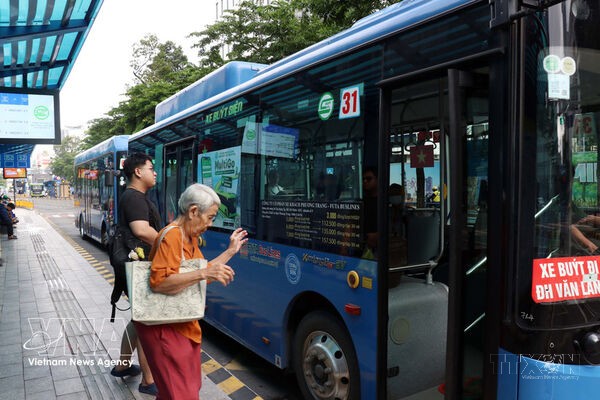
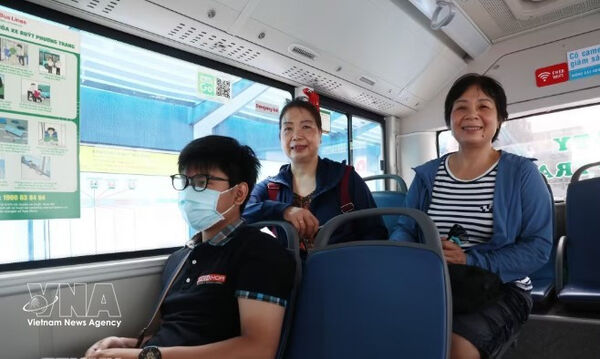
A total of 500 public e-bikes are expected to put into use across the entire station network in March, alongside the public bicycle network that has been in service since late 2021.
Under the programme, the southern largest economic hub has set several key health targets to be achieved by 2030. The average height of children and adolescents under 18 is expected to increase by at least 1.5cm, while the average life expectancy of residents is projected to reach around 77 years, including at least 68 years of healthy living.
The rollout of the two-tier local administration model in Ho Chi Minh City, a megacity of more than 14 million people, has placed new requirements on civil servants, demanding them to be multi-skilled, capable of handling multiple tasks and proficient in digital technologies to meet the needs of modern urban governance, said insiders.
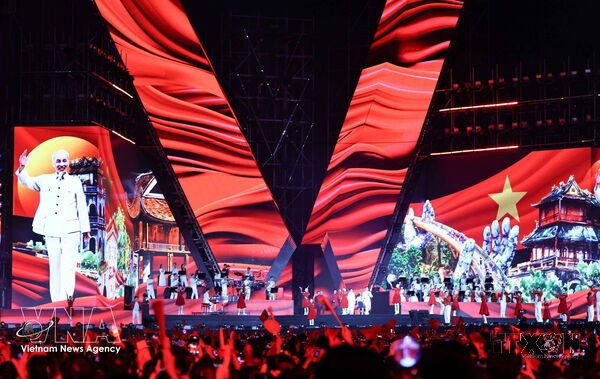
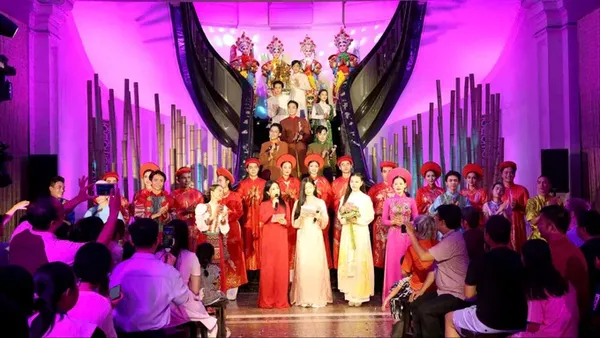
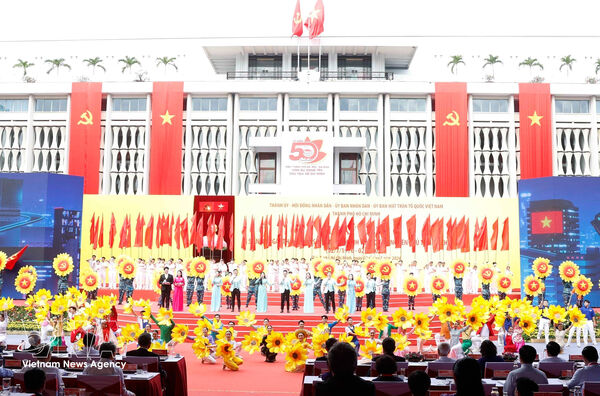
The festival serves as a platform to introduce the city’s potential and strengths, and demonstrate the strong vitality and endless creativity of a dynamic and compassionate metropolis.
The Vietnam International Financial Centre in Ho Chi Minh City (VIFC-HCMC) has been structured around four pillar product groups, which are seen as the foundation for gradually building Ho Chi Minh City into a competitive financial hub in the region and the world.
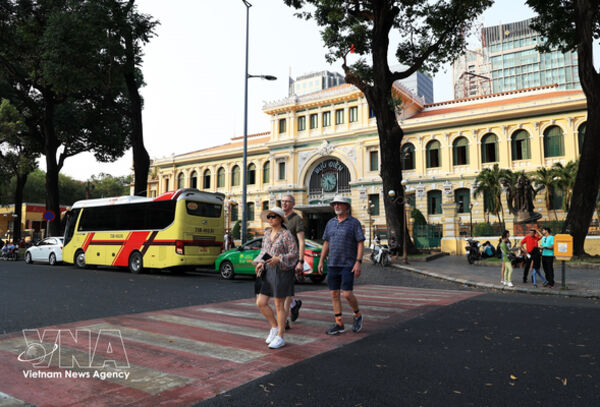
Market research reports indicate that Ho Chi Minh City’s tourism sector still has large room for growth if the special mechanisms under Resolution 98, Resolution 260 and Resolution 62/2025/NQ-HDND on incentives for attracting MICE visitors are effectively implemented. These policies are considered practical, helping enhance competitiveness, service quality and the city’s standing as a destination.