Experts say verified coffee-growing data is key to helping Vietnamese exporters meet sustainability requirements, secure market access and increase export value.
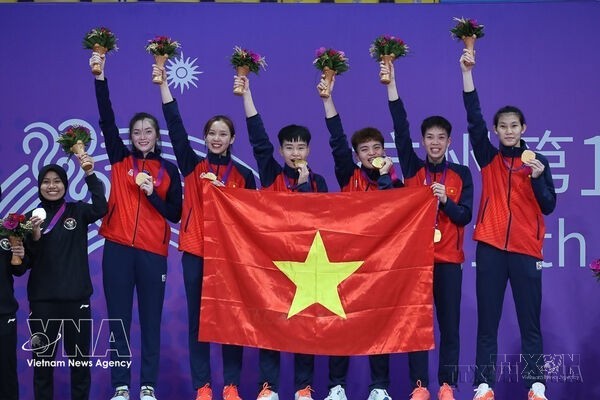
All six Vietnamese students won medals at the 67th International Mathematical Olympiad (IMO) 2026 in China, including two golds, three silvers and one bronze.
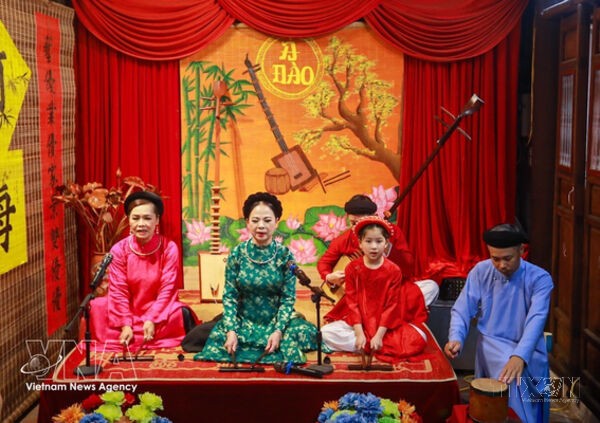
The initial results in heritage conservation, digital transformation, cultural industry development and artistic creativity facilitation suggest that Resolution No. 80 is gradually taking effect across the country.
At the 58th IChO, all four Vietnamese students secured gold medals, placing the country joint first with China and India in terms of the number of golds awarded.
Moving beyond textbooks and classroom lessons, they are embracing creative, accessible approaches that help bring history closer to younger generations and foster a deeper appreciation of peace and national pride.
Drawing on Party General Secretary and State President To Lam's detailed and practical guidance, artists and researchers voiced confidence that Vietnamese culture will undergo a sharp transformation and truly become both a spiritual foundation and a key driver of sustainable development in the new era.
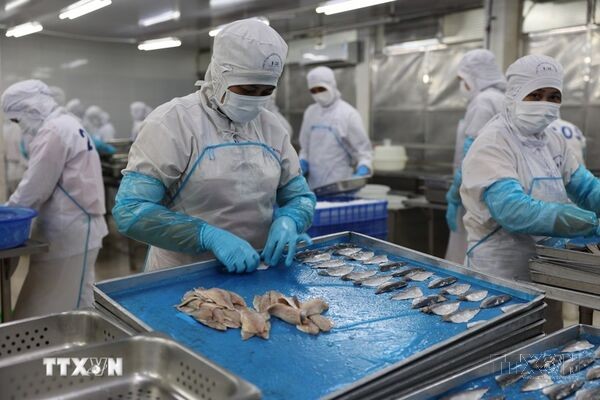
Achieving Vietnam's target of more than 74 billion USD in agricultural, forestry and fishery exports in 2026 will require stronger traceability systems, initially focusing on key export commodities, high-value products and major markets such as the EU, the US and China.
Vietnam's growth model, long fueled by low-cost labour, resource extraction, contract manufacturing, expanded investment, and capital accumulation, has run out of road. The country now needs a sweeping reform agenda to shift from extensive growth to a model driven by productivity, knowledge, science and technology, innovation, and digital transformation.
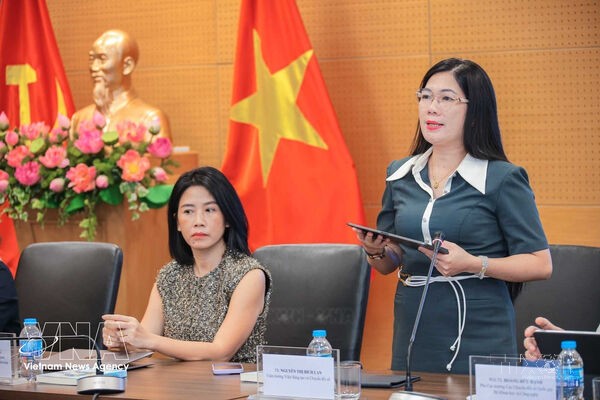
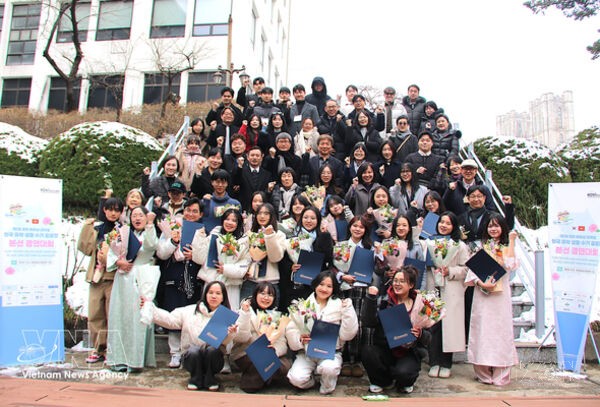
Addressing the ceremony, Deputy Minister of Foreign Affairs Le Thi Thu Hang said the participants return to Vietnam at a particularly significant moment, as the country enters a new stage of development following the 14th National Party Congress. She noted that the ongoing reorganisation of administrative units has created new development space for localities and the nation, unlocking fresh potential, encouraging innovation and providing new momentum for faster and more sustainable growth.
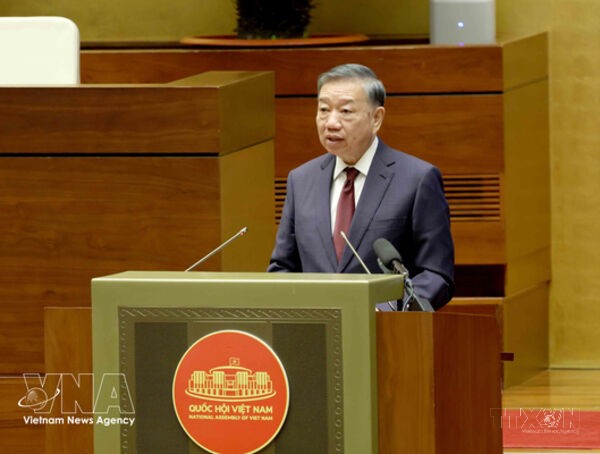
Party General Secretary and State President To Lam pushed for a shift from a focus on traditional spaces to cultivating culture in both physical and digital spaces, and from simply prioritising preservation to striking a close balance between preservation with innovation.
Vietnam's appeal lies not in a single attraction but in the seamless combination of authentic experiences rooted in local culture. From colourful highland markets and traditional festivals to centuries-old craft villages, all remain an integral part of everyday life.
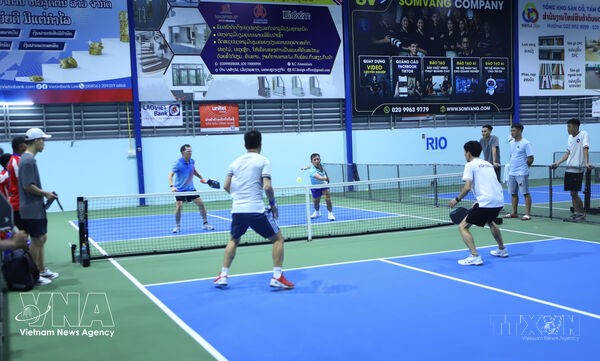
The club currently has nearly 50 members aged from seven to over 70, with regular training sessions held on Tuesday and Wednesday evenings, alongside extended weekend classes for both children and adults. The classes are led by a father-and-daughter team, assisted by between two and six instructors depending on the session.
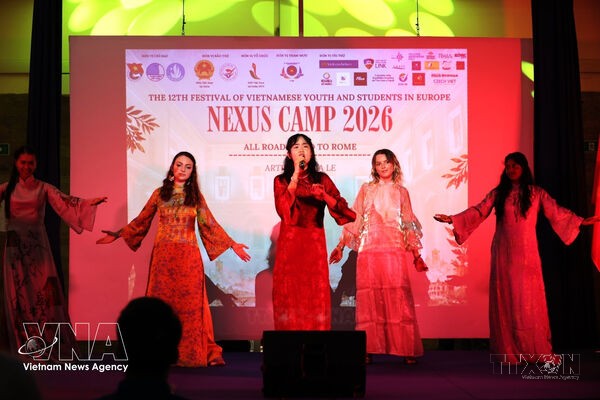
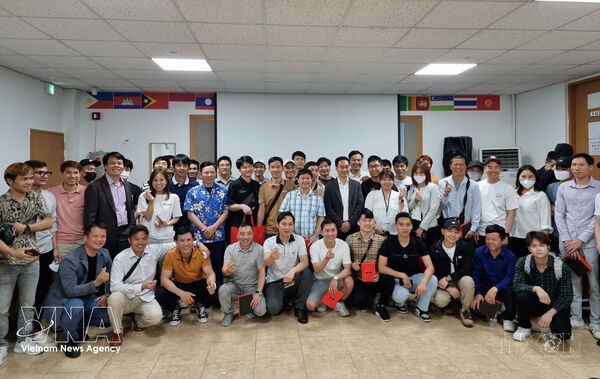
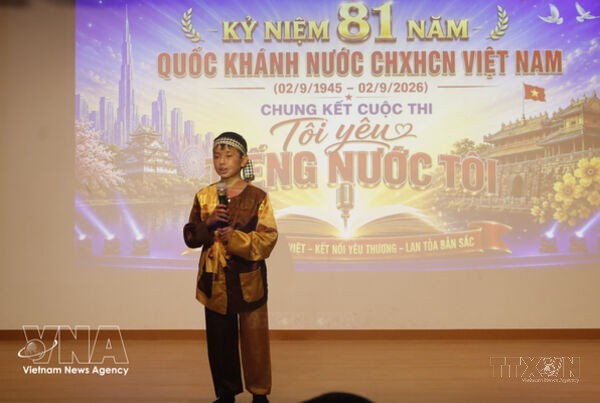
The programme will introduce delegates to Vietnam's rich cultural heritage, including UNESCO-recognised sites such as the Complex of Hue Monuments, My Son Sanctuary, Hoi An Ancient Town and Hue Royal Court Music. It combines heritage tours with history lessons, cultural experiences and Vietnamese language activities to strengthen participants' understanding of their roots and foster national pride.
Vietnam exported an estimated 150,000 tonnes of coffee worth 552.6 million USD in June, bringing total exports in the first half of the year to 1.1 million tonnes valued at 4.78 billion USD.
In June, Vietnam exported 23,103 tonnes of pepper worth 151.3 million USD, down from the previous month as shipments to Asia, Africa and the Americas slowed, while demand from Europe remained stable.
After more than 12 years of participation in UN peacekeeping operations, the Ministry of National Defence has deployed nearly 1,400 personnel from the Vietnam People’s Army to missions, UN headquarters, and liaison offices in Belgium.
At the field meeting, Ambassador My inquiried about the team’s living and working conditions and commended the sense of responsibility, determination, and resilience demonstrated by officers and soldiers of the contingent. He emphasised that Vietnam’s deployment of search and rescue forces to assist Venezuela in overcoming natural disaster consequences is a noble gesture, reflecting a strong spirit of international solidarity.
The new vision, known as VPS 2.0, is built on three core principles: creating value for the community, promoting decentralised leadership, and empowering individuals and teams to drive positive impact.
Speaking on the sidelines of the Ministry of National Defence’s conference assigning tasks to personnel participating in the humanitarian and disaster-relief mission, Major General Ty, who is head of the Vietnamese military mission to Venezuela, also stressed that the deployment reflects Vietnam’s commitment to international solidarity and humanitarian responsibility.