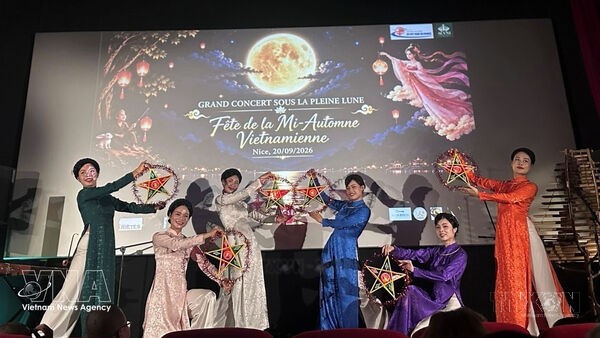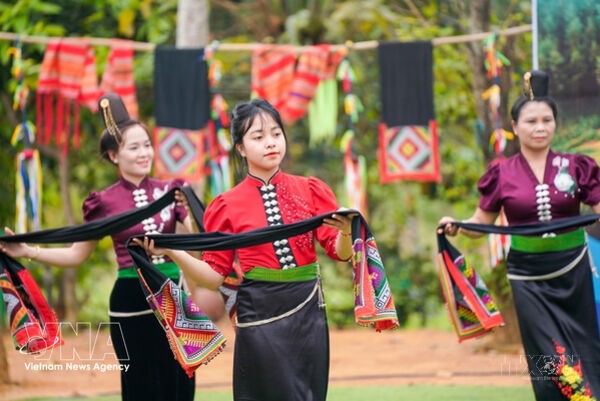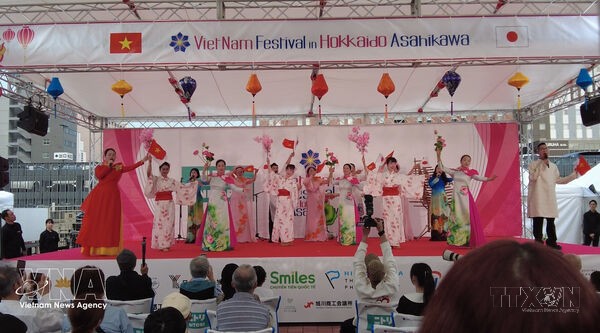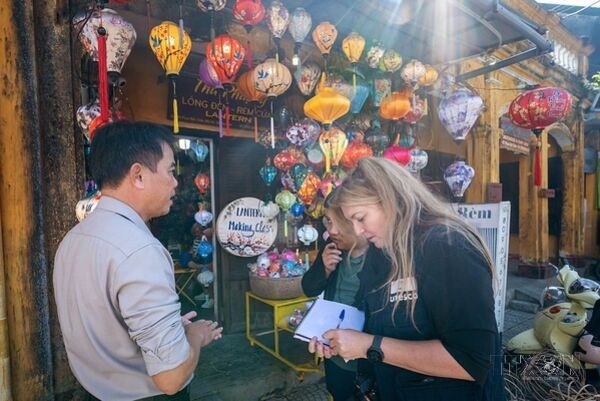
In the context of deep international integration, cultural identity serves as both a “shield” against assimilation and a defining marker of a nation’s image. Protecting and promoting uniquely Vietnamese cultural values has therefore become a pressing task, particularly in an increasingly complex digital environment.
The resolution stipulates that cultural spending will be increased in line with development needs in each period to implement the Party’s guidelines and the State’s policies.
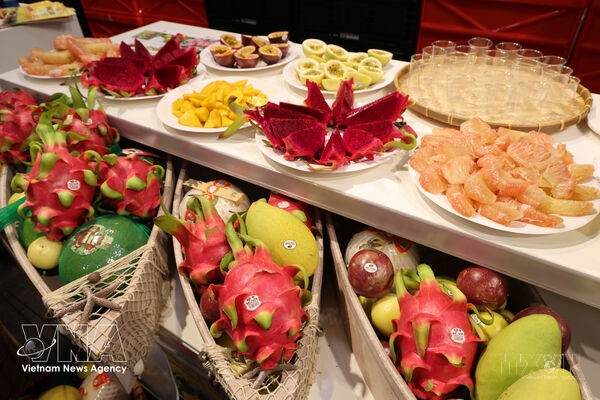
In recent years, Vietnamese dishes have gained wider global recognition through travellers and international rankings. A social media group named “Vietnam Banh Mi Appreciation Society,” with nearly 200,000 foreign members, is dedicated to reviewing banh mi from street stalls to established shops, reflecting growing international enthusiasm for the dish.
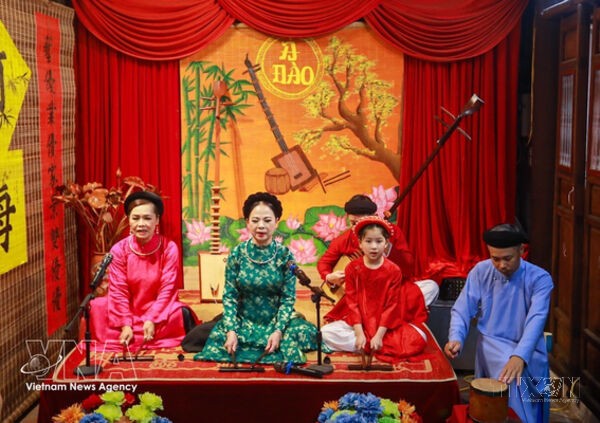
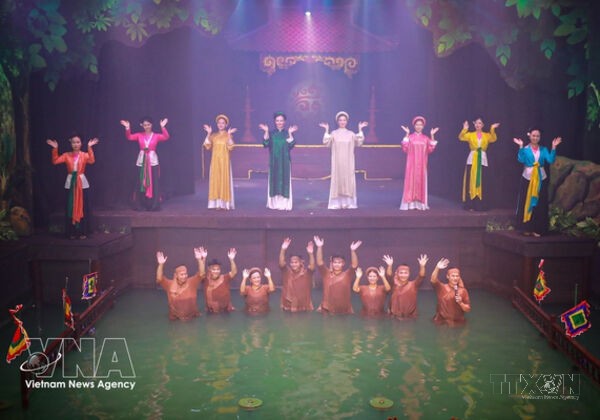
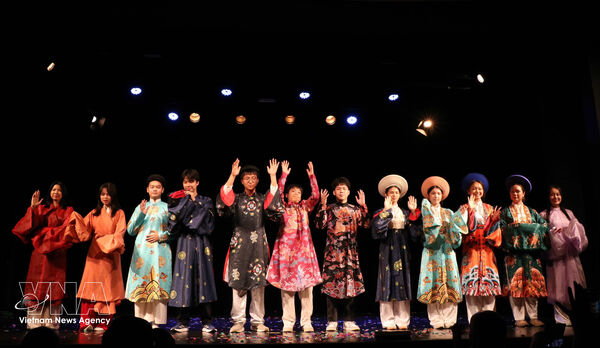
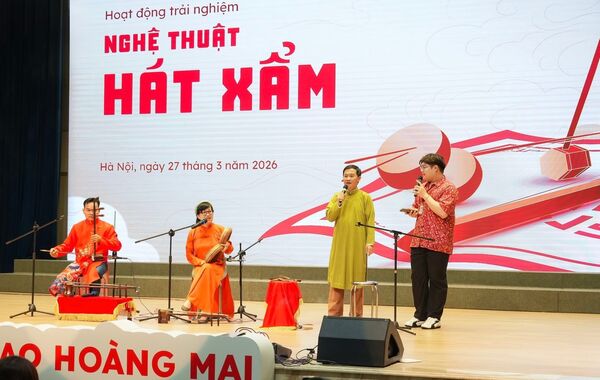
Politburo’s Resolution No. 80 on developing Vietnamese culture places a stronger emphasis on nurturing talent in traditional arts. It is expected to breathe fresh life into Vietnam’s cultural heritage, as these art forms face mounting challenges in the modern entertainment landscape.
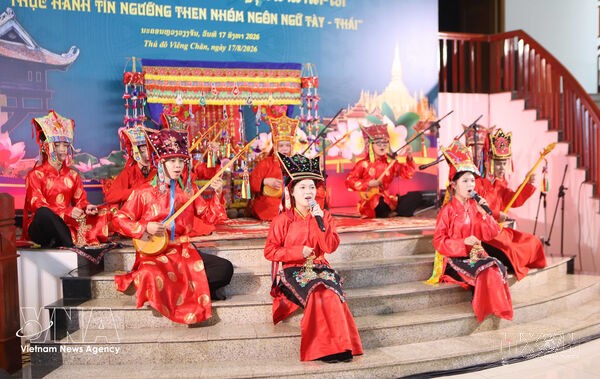
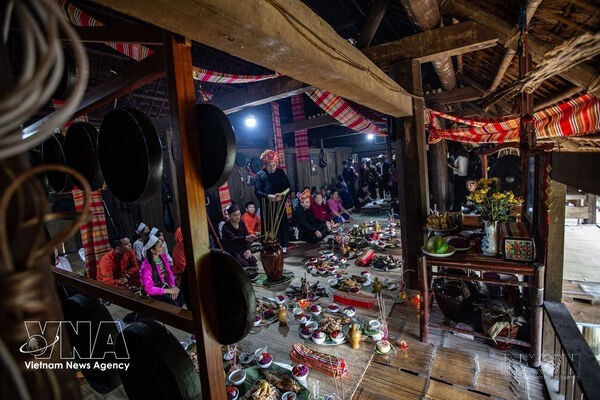
Sayangva is the most important traditional festival of the Cho Ro community in Dong Nai. Deeply rooted in agricultural beliefs, it expresses gratitude to heaven and earth and deities, especially the Rice Goddess, while praying for bumper harvests and prosperous lives.
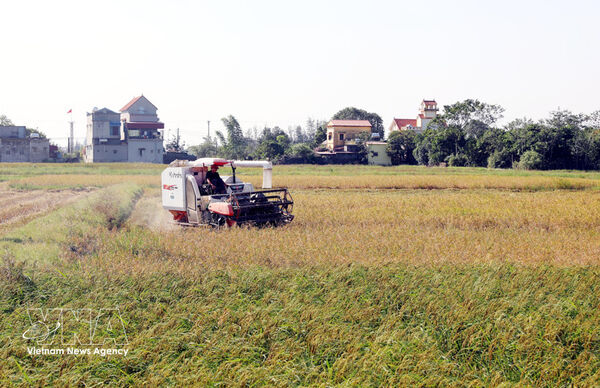
In recent years, the sector has shifted from a production-oriented mindset to an agricultural economic approach. Instead of focusing mainly on output, it now prioritises quality, added value and brand building.
When placed in its proper role, culture can serve as the “glue” that binds communities, reinforces identity, strengthens social consensus and provides a solid spiritual foundation for sustainable development.
The target is set out in the Government’s strategy to promote Vietnam’s global image for the 2026–2030 period, with a vision to 2045, approved by the Prime Minister on January 27. The strategy underlines that promoting Vietnam's image abroad is not merely information activities, but a strategic "soft" tool serving the country's development.
Resolution No. 80-NQ/TW of the Politburo on the development of Vietnamese culture consistently affirms the view that culture must be placed at the centre of development, serving simultaneously as the spiritual foundation of society, a development goal, and a key endogenous driver of national progress.
Ha noted that the upcoming congress is also expected to improve institutions and infrastructure for cultural industries, intellectual property and the creative economy sector. These fields are not only drivers of identity-based economic growth but also key tools for strengthening soft power and projecting the national image in an increasingly interconnected world.
By 2045, the sector is slated to account for 9% of GDP. Export value is forecast to rise 7% annually through 2030 and 9% thereafter, while the number of cultural enterprises is expected to expand 10% per year on average.
After 80 years since its founding and 40 years of “Doi Moi (Renewal), Vietnam is entering a new historical phase, described by Party General Secretary To Lam as the era of the nation’s rise.
Christmas, also known as the Nativity of the Lord, marks the birth of Jesus Christ and is widely celebrated in many countries as a time for family reunions, sharing love and fostering a warm, joyful atmosphere within families and communities.
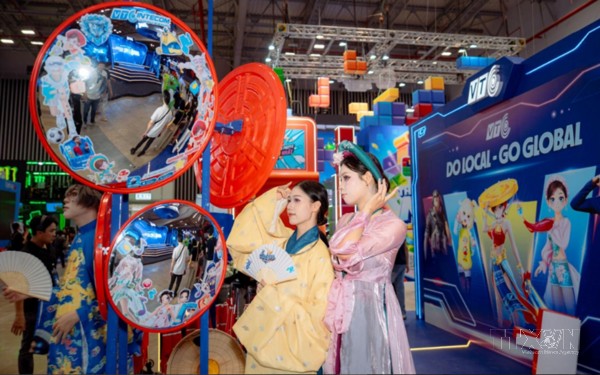
At the venue, visitors are treated to immersive visual effects created by spatial computing, a digital exhibition area using Apple Vision Pro, and 3D hologram projection solutions.
2025 marked a decisive shift in how Vietnamese users engaged with AI. Search trends changed from introductory questions like “What is AI?” to practical queries such as “How to make a video AI?”, “Create images with AI”, revealing a growing emphasis on real-world application.
The event kicked off with the screening of “Tu chien tren khong” (Hijacked), attracting a large number of Vietnamese and international artists, directors, filmmakers, and an audience of 2,700 from 23 countries.
The event features works by 50 Vietnamese photographers and 14 international delegations with 36 members. Each participating artist is showcasing three standout photographs.
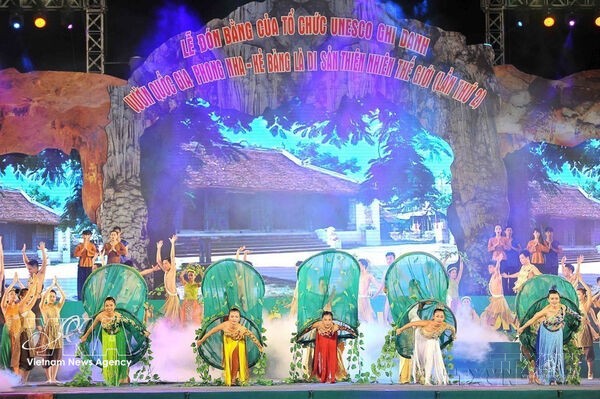
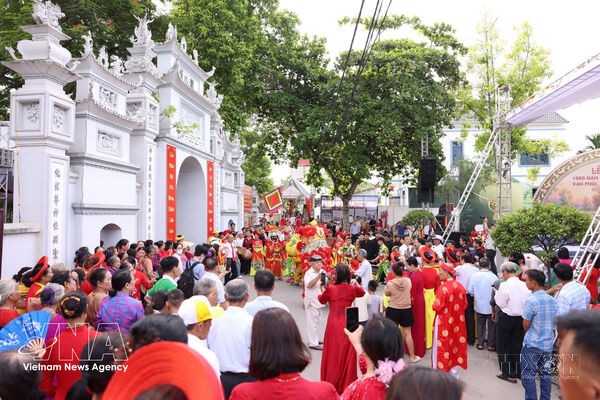
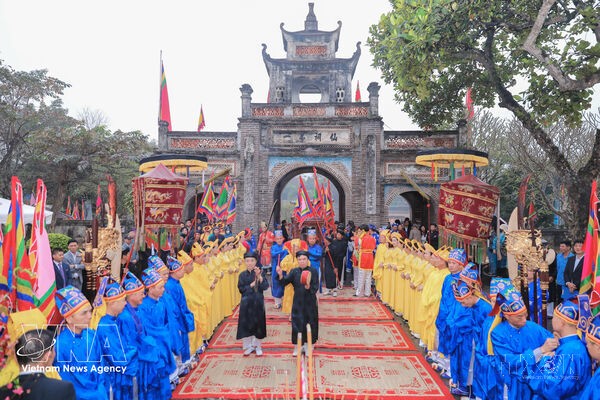
Over 4,000 years of history have left the Vietnamese people with a rich and diverse cultural heritage. This heritage is not only an invaluable asset for the nation but also an important resource for sustainable development.