Vietnam, China, India, Indonesia, Malaysia, Thailand, the Philippines, Türkiye, Mexico and Brazil are among the 10 largest non-high-income T&T economies by direct T&T GDP.
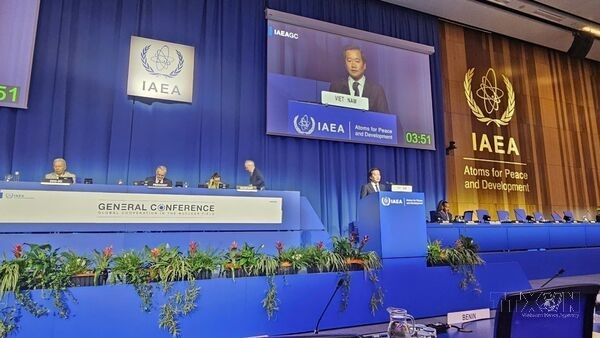
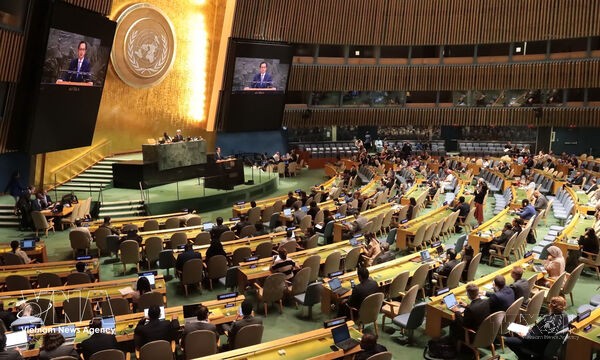
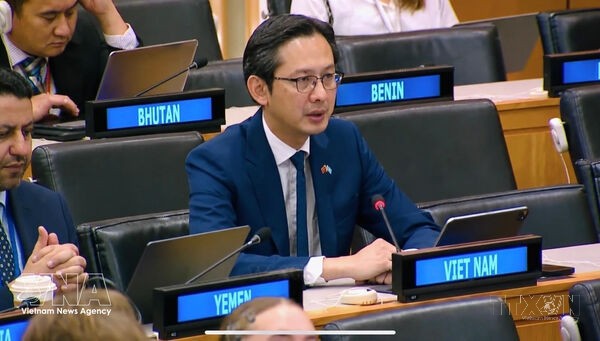
Delivering Vietnam’s national statement, Nguyen Hoang Linh, Director of the Vietnam Agency for Radiation and Nuclear Safety, said the Southeast Asian nation is implementing its strategy for the development and application of atomic energy for peaceful purposes through 2035, with a vision to 2050, while preparing the necessary conditions for its Ninh Thuan nuclear power projects, nuclear sci-tech centre, and new research reactor.
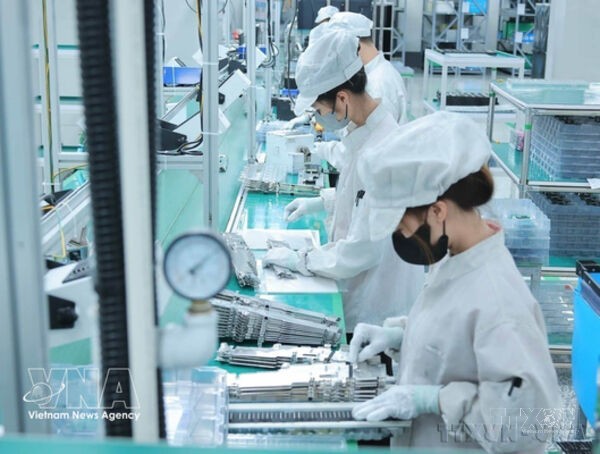
Vietnam is an important country with significant potential to contribute to BRICS’ development. Over the past year, it has emerged as an increasingly important economy and a notable manufacturing hub, particularly in textiles and garments, electronics and other industries.
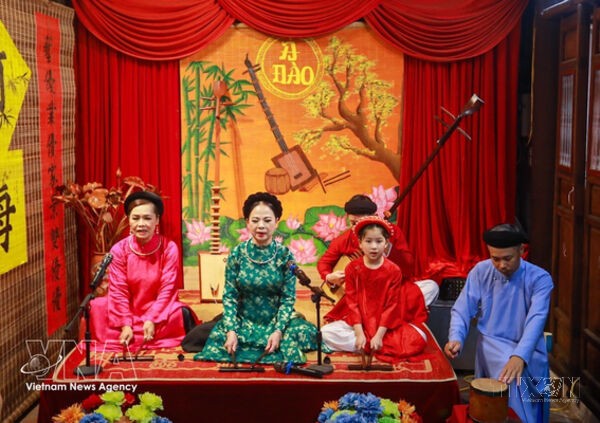
The resolution designates 2027–2036 as the International Decade of Culture for Sustainable Development, providing a long-term framework for countries and the international community to step up action and further integrate culture into development policies.
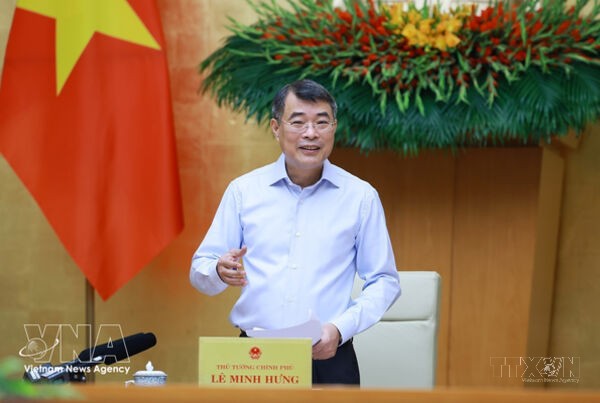
The PM required ministries, agencies and localities to regularly review and update growth scenarios on a monthly and quarterly basis, proactively identify bottlenecks affecting growth targets and promptly remove them.
From an economy that has made strong use of integration opportunities, Vietnam is increasingly seen as a country capable of proactively creating development space, establishing its position in regional and global networks and making more substantive contributions to common issues.
The August Revolution of 1945 stands as one of the most glorious milestones in Vietnam’s history of national construction and defence. Its great victory broke the chains of colonial rule, transforming the Vietnamese people from a nation deprived of independence into masters of their own country and opening an era of national independence associated with socialism.
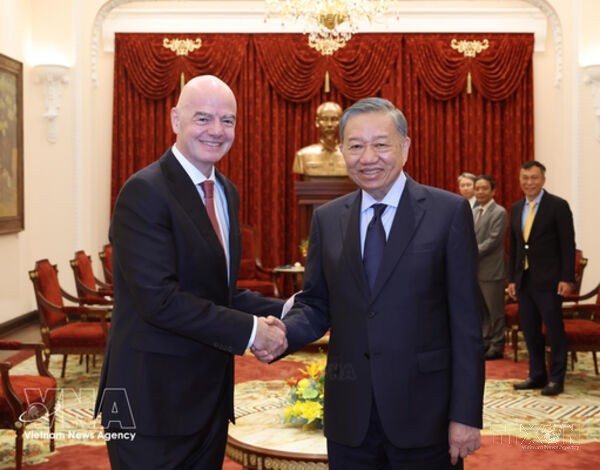
General Secretary of the Communist Party of Vietnam (CPV) Central Committee and President To Lam called on FIFA to continue assisting Vietnam with the training of coaches and referees, enhancing professional expertise and football management capacity, while promoting the development of women’s, school and grassroots football, professional leagues and national teams.
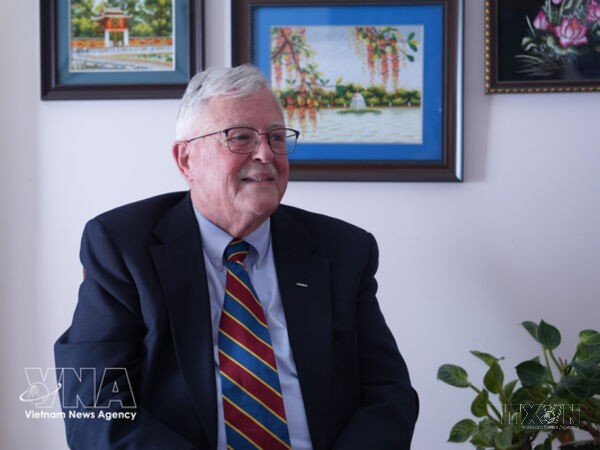
According to Nguyen Phuong Chung, lecturer and Director of the Vietnamese Language Programme at Columbia University’s Department of East Asian Languages and Cultures in the US, Resolution 23 represents an important shift in how the position, role, and contributions of overseas Vietnamese are viewed.
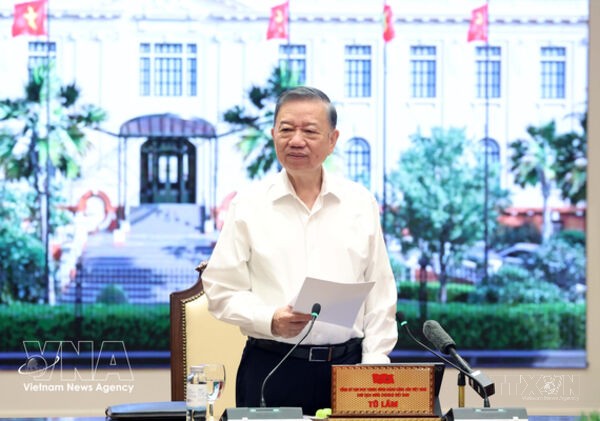
The ultimate goal of talent development, attraction and utilisation is to generate new projects, technologies, businesses, policies and values, build a workforce capable of driving rapid, sustainable and self-reliant national development, and create opportunities for all capable Vietnamese people to be identified, developed and given chances to contribute to the country, said top leader To Lam.
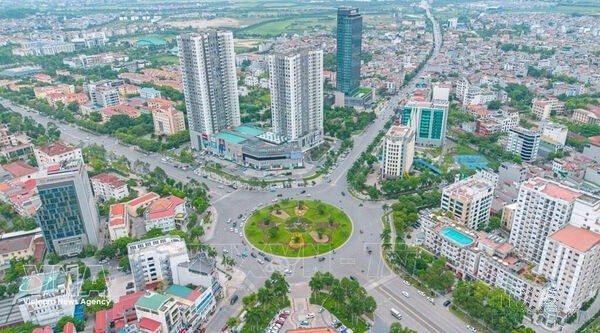
Bac Ninh is approaching a historic milestone as the Government has approved a proposal to establish the province as a centrally-run city and submitted it to the National Assembly for consideration, with localities across the province accelerating urban development and infrastructure preparations.
The draft law on cultural industry development seeks to establish a formal legal status for cultural industries within the national economic structure and connect their value chains to boost economic value, exports and strategic investment while promoting Vietnamese identity and soft power internationally.
In terms of recognition and status, the resolution affirms that OV are an integral part of the nation and a strategic resource for national development.
Science and technology, innovation, digital transformation and AI must be translated into higher productivity rather than pursued as ends in themselves. At the same time, people should be placed at the centre of development, not merely viewed as a resource but as the ultimate objective of development policies.
After more than 20 years of implementing Resolution 36, the Party and State’s policies have been translated into numerous effective policies and actions, helping strengthen the group’ attachment to their homeland and creating favourable conditions for increasing numbers of them to return to Vietnam to visit relatives, invest, do business, work and engage in exchanges.
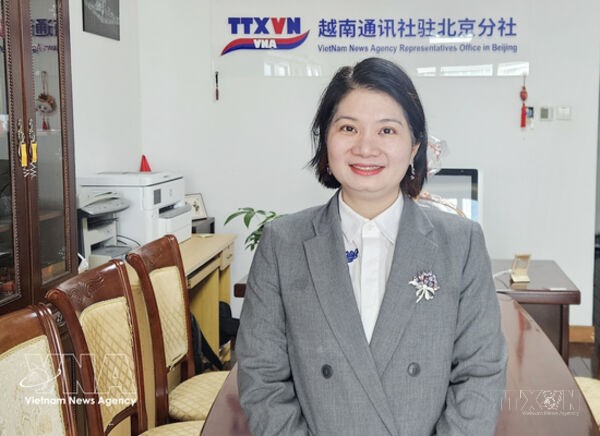
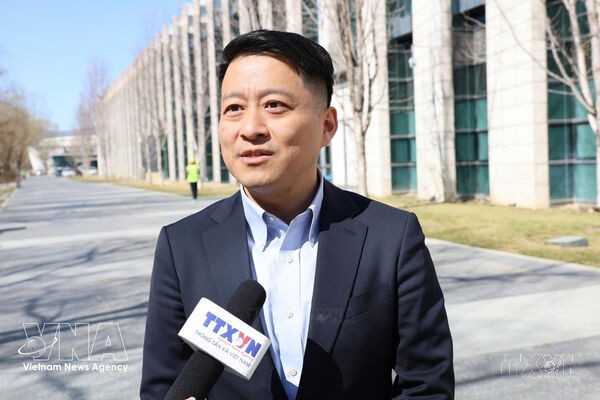
The most notable change is Vietnam’s transition from “organisational restructuring” to “improving governance effectiveness.” Previously, reforms focused on streamlining the apparatus and reducing intermediary levels. With organisational reforms largely completed, the more important task is now to ensure the new system operates more effectively, according to Professor Qu Qiang from Minzu University of China.
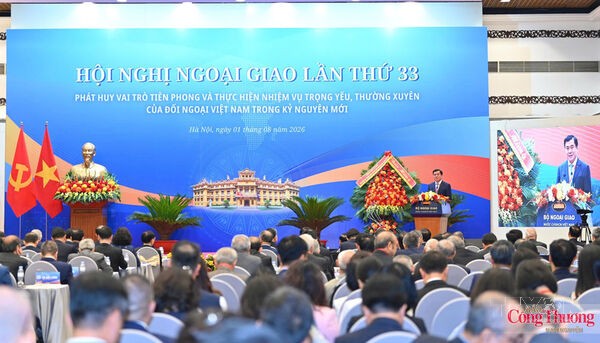
The 33rd Diplomatic Conference officially opened in Hanoi on August 1, with presentations from ministries, central agencies and local authorities offering in-depth analysis of practical developments and proposing breakthrough solutions across a wide range of sectors, contributing to the country's diplomatic agenda in a new era of development.
The community of more than six million overseas Vietnamese is increasingly recognised as an inseparable part of the nation and an important resource for strengthening Vietnam's friendship and cooperation with countries around the world, said Pham Khanh Nam, Editor-in-Chief of the Huong Viet magazine.
Under the new development model, Vietnam will be self-reliant, innovative, humane, sustainable and globally integrated, with people at the heart of development. Science and technology, innovation, digital transformation and artificial intelligence are designated as the main growth drivers, while higher productivity and more efficient resource allocation serve as core principles.