Vietnam reaffirms goodwill in adhering to 1982 UNCLOS
Vietnam’s clear and consistent stance is that maritime disputes must be resolved through peaceful means, with respect for diplomatic and legal processes, without the use or threat of force, and in accordance with international law, particularly the 1982 UNCLOS
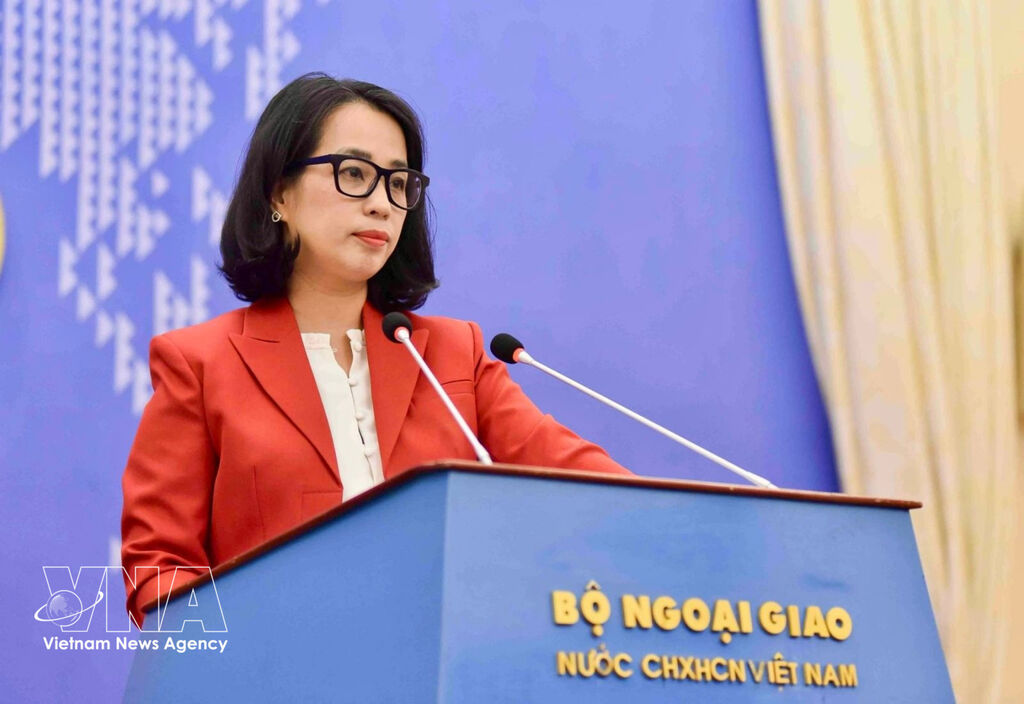
Spokesperson of the Vietnamese Ministry of Foreign Affairs Pham Thu Hang (Photo: VNA)

Hanoi (VNA) – Spokesperson of the Vietnamese Ministry of Foreign Affairs Pham Thu Hang on July 12 affirmed that Vietnam has always demonstrated its goodwill in complying with the 1982 United Nations Convention on the Law of the Sea (UNCLOS).

She made the statement in response to a reporter’s question seeking Vietnam’s comments on 10 years since the ruling was issued by the Arbitral Tribunal constituted under Annex VII of the 1982 UNCLOS in the case between the Philippines and China.

“Vietnam’s clear and consistent stance is that maritime disputes must be resolved through peaceful means, with respect for diplomatic and legal processes, without the use or threat of force, and in accordance with international law, particularly the 1982 UNCLOS,” Hang said.

Vietnam has always supported the settlement of disputes concerning the interpretation and application of the Convention in accordance with its provisions, she continued.

The spokesperson also reaffirmed the Convention as the sole legal basis that comprehensively and fully provides a framework governing the scope of maritime entitlements.

“As a coastal state in the East Sea and an active member of the 1982 UNCLOS, Vietnam has always demonstrated its goodwill in adhering to the Convention and calls on all relevant parties to fully implement their legal obligations under the Convention, including in defining their maritime claims and exercising their rights at sea, respecting the rights of other states as provided for under the Convention, and cooperating and making positive and practical contributions to maintaining peace, stability, security, safety, freedom of navigation and overflight, and order in the East Sea on the basis of international law,” she said./.
Related News

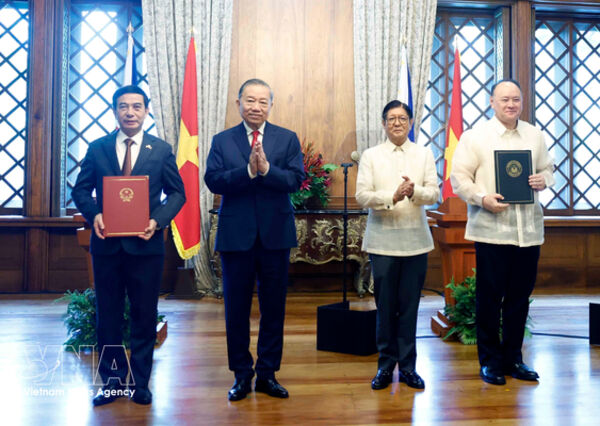
Vietnam, Philippines upgrade bilateral ties to Enhanced Strategic Partnership

Both sides emphasised the importance of international law and the United Nations Charter, the ASEAN Charter, and the principles of equality, cooperation, and mutual benefit; reaffirmed peace, stability, security, safety, and freedom of navigation and overflight in the East Sea; and stressed the need to resolve disputes peacefully on the basis of international law, including the 1982 United Nations Convention on the Law of the Sea (UNCLOS).

See Also

Young generation keeps heritage alive

Since Resolution No. 80-NQ/TW on the development of Vietnamese culture was issued, many major goals and orientations have been translated into social life. In this process, the younger generation has increasingly affirmed its important role in preserving and promoting the values of national culture.

Plan issued to develop agricultural logistics system

A key target is that by 2030, all concentrated agricultural, forestry and fisheries production areas will have access to essential services, including product traceability, quarantine, testing, quality certification, processing and market development. The move reflects growing international demand for stricter food safety, quality and traceability standards, which have become increasingly important for agricultural exports.

Digital governance transforms life in border commune of Dong Nai city

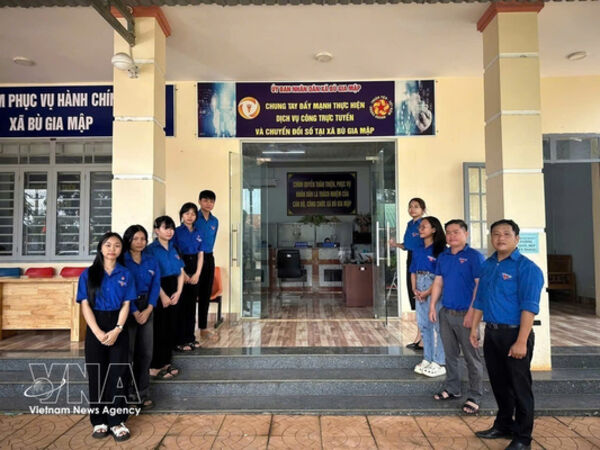
A year after adopting the two-tier local administration model, Bu Gia Map, a remote border commune in the southern city of Dong Nai with a significant ethnic minority community, has experienced notable improvements in public administration, making digital public services more accessible to residents and boosting governance efficiency.

500-day campaign brings hope to martyrs' families

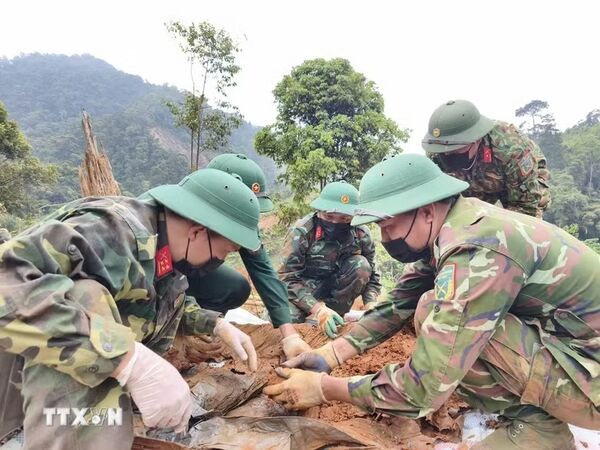
The 500-day campaign is a nationwide effort to recover and identify the remains of fallen soldiers. More than a search mission, it is a race against time to identify those who remain unknown through DNA technology. From central agencies and local authorities to organisations and citizens, people across Vietnam are joining forces to help bring the campaign to a successful conclusion, paying tribute to the nation's fallen heroes and their families.