Vietnam, China, India, Indonesia, Malaysia, Thailand, the Philippines, Türkiye, Mexico and Brazil are among the 10 largest non-high-income T&T economies by direct T&T GDP.
Vietnam may remain the growth leader in Southeast Asia in the 2026-2035 period, according to a report released by the US’s Bain & Company and Singapore’s DBS Bank and Vriens & Partners on September 16.
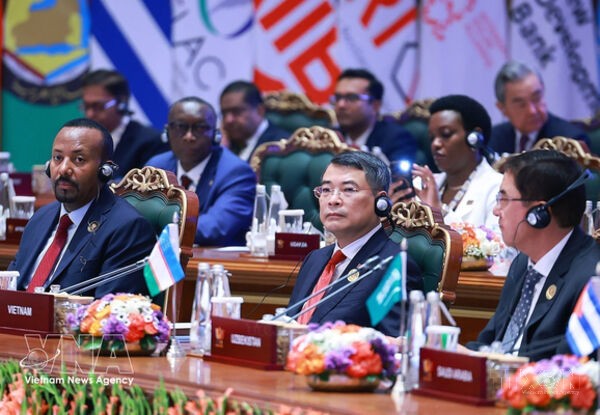
According to S.D Pradhan, former Deputy National Security Advisor of India, the active participation and practical contributions of partner countries, including Vietnam, played a role in the overall success of the 18th BRICS summit. For Vietnam, its status as partner country offers an opportunity to diversify external ties and better align with emerging drivers of growth.
Resolution No. 23 reflects a shift in Vietnam’s approach to overseas Vietnamese, increasingly recognising them as an important resource for national development. It also demonstrates Vietnam’s continued commitment to openness and deeper international engagement.
Vietnam is well known for its beautiful natural scenery, and the closeness with which many people live side by side with nature. Even in big cities, one can see cafes which build themselves around fish habitats, or create a green oasis in the middle of an urban area, said British researcher of Vietnamese politics and history Kyril Whittaker.
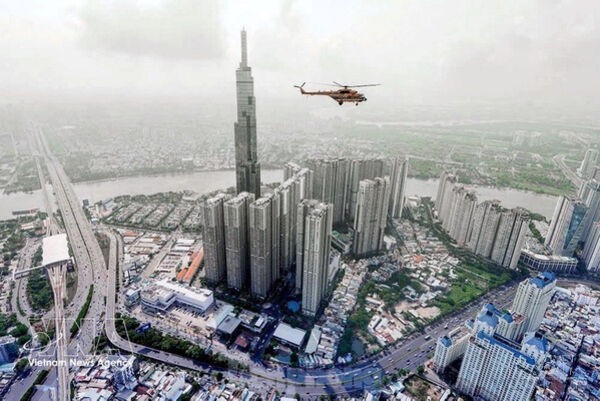
Ho Chi Minh City will continue to implement drastic measures to achieve double-digit growth, targeting GRDP growth of at least 11.07% in the third quarter of 2026, 9.43% in the first nine months and 12.3% in the fourth quarter, with a view to completing the full-year goal of 10% or more.
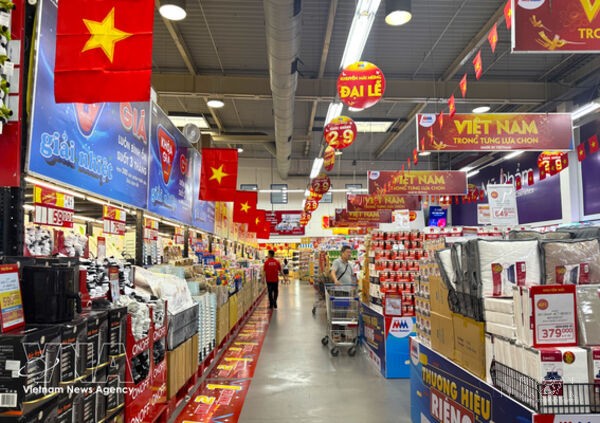
The total retail sales of goods and consumer service revenues in August were estimated at 679.8 trillion VND (26 billion USD), up 1.6% from the previous month and 14.9% year-on-year. In the January-August period, the figure reached 5.24 quadrillion VND, representing a 13.3% increase year-on-year.
Science and technology, innovation, digital transformation and AI must be translated into higher productivity rather than pursued as ends in themselves. At the same time, people should be placed at the centre of development, not merely viewed as a resource but as the ultimate objective of development policies.
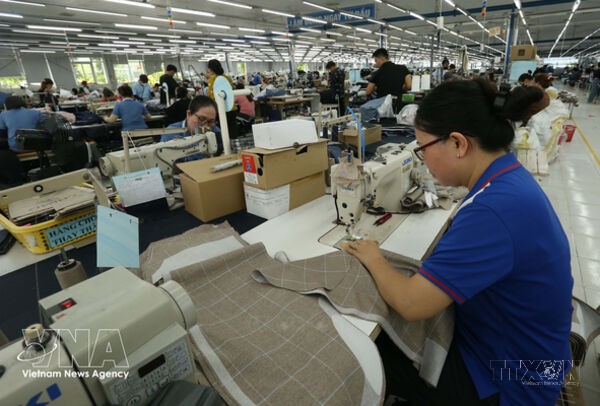
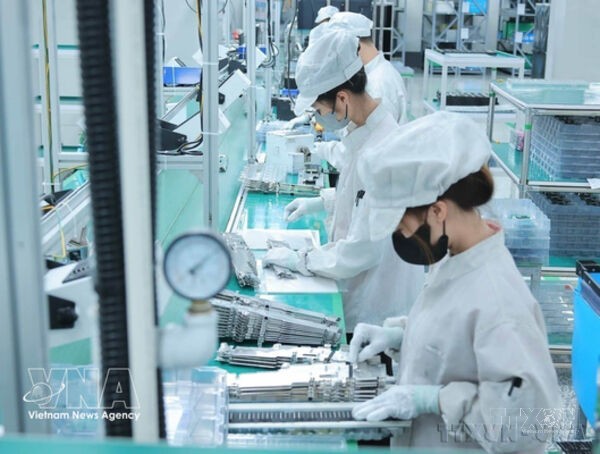
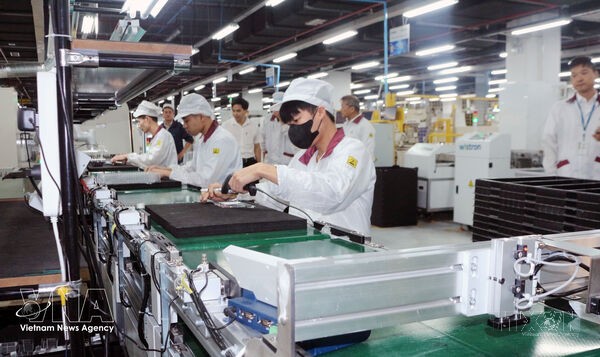
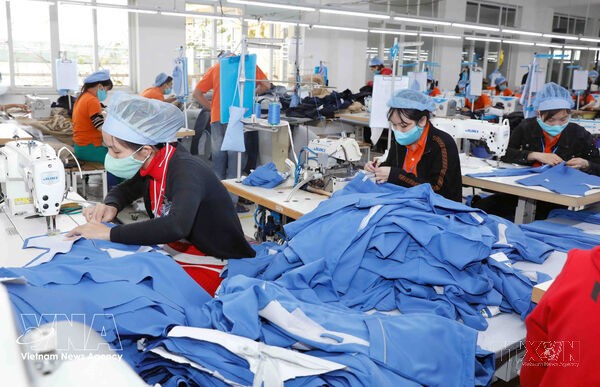
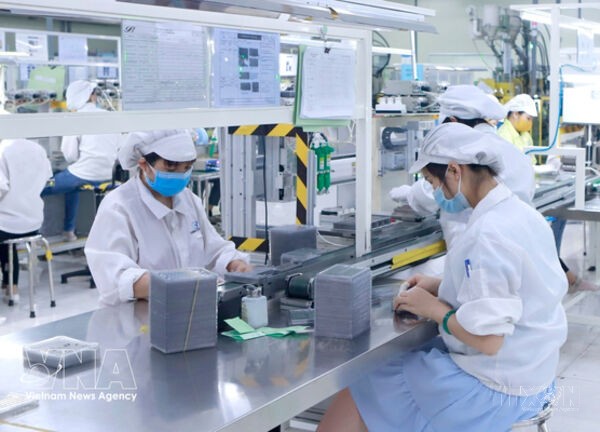
Manufacturing and engineering posted the strongest recruitment growth, with hiring demand surging 70% year-on-year, driven by production expansion, supply chain restructuring and sustained investment inflows in high-tech manufacturing.
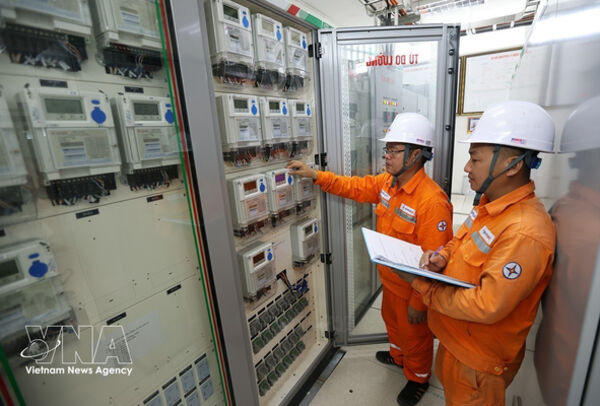
Across Ha Tinh and Nghe An, maintenance teams conduct inspections day and night, using thermal cameras and drones to detect potential faults without interrupting electricity supply. Their work helps ensure stable power supply for businesses as the region accelerates development in line with the Government's economic growth targets.
Under the new development model, Vietnam will be self-reliant, innovative, humane, sustainable and globally integrated, with people at the heart of development. Science and technology, innovation, digital transformation and artificial intelligence are designated as the main growth drivers, while higher productivity and more efficient resource allocation serve as core principles.
The capital city of Hanoi aims for the digital economy to contribute around 40% of its Gross Regional Domestic Product (GRDP) by 2030, with the Hoa Lac Hi-Tech Park serving as the core research and development hub.
The PM called on the business community, business associations and the Vietnam Chamber of Commerce and Industry (VCCI) to strengthen self-reliance, innovation and competitiveness by improving governance, adopting advanced technologies, enhancing product quality and using capital more efficiently.
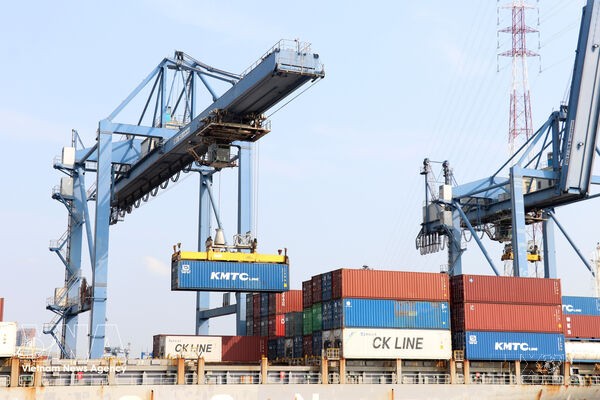
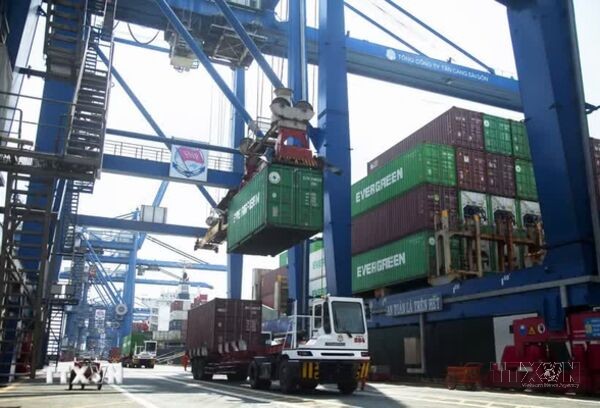
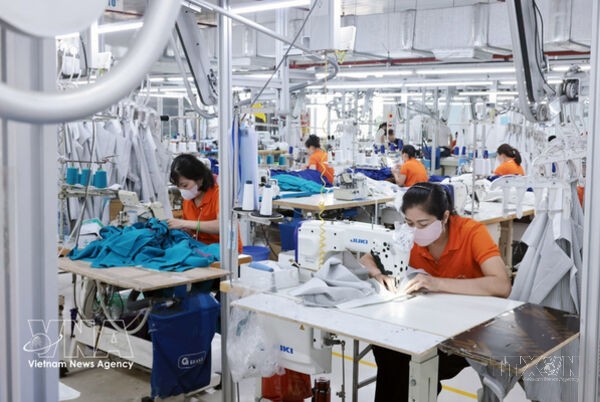
Future growth can no longer rely on expanding production capacity alone. Meeting this year's 48 billion USD export target will require greater productivity, higher value addition, stronger domestic sourcing, broader market diversification, and faster digital and green transformation.
Instead of merely handling information after an incident already occurred, it is necessary to proactively gauge public sentiment, anticipate trends in public opinion and address at an early stage issues that could undermine public trust. In other words, the focus must shift from “managing information” to proactively “governing public trust”.
Vietnam's growth model, long fueled by low-cost labour, resource extraction, contract manufacturing, expanded investment, and capital accumulation, has run out of road. The country now needs a sweeping reform agenda to shift from extensive growth to a model driven by productivity, knowledge, science and technology, innovation, and digital transformation.
The council reviewed its performance and the implementation of emulation and commendation work during the first half of the year, agreed on key tasks for the remainder of 2026, and considered nominations for the conferment and posthumous conferment of the “Hero of the People's Armed Forces” and “Hero of Labour” titles on collectives and individuals with outstanding achievements.
The strongest first-half industrial growth since 2019 not only underscores the sector's solid recovery but also provides a firm foundation for Vietnam to sustain robust economic growth throughout 2026. With manufacturing continuing to lead, supported by improving demand, employment and production capacity, industry is expected to remain a key pillar of economic expansion.
The remaining months of the year will be devoted to accelerating implementation rather than lowering expectations, affirmed Chairman of the Hanoi People's Committee Vu Dai Thang.